



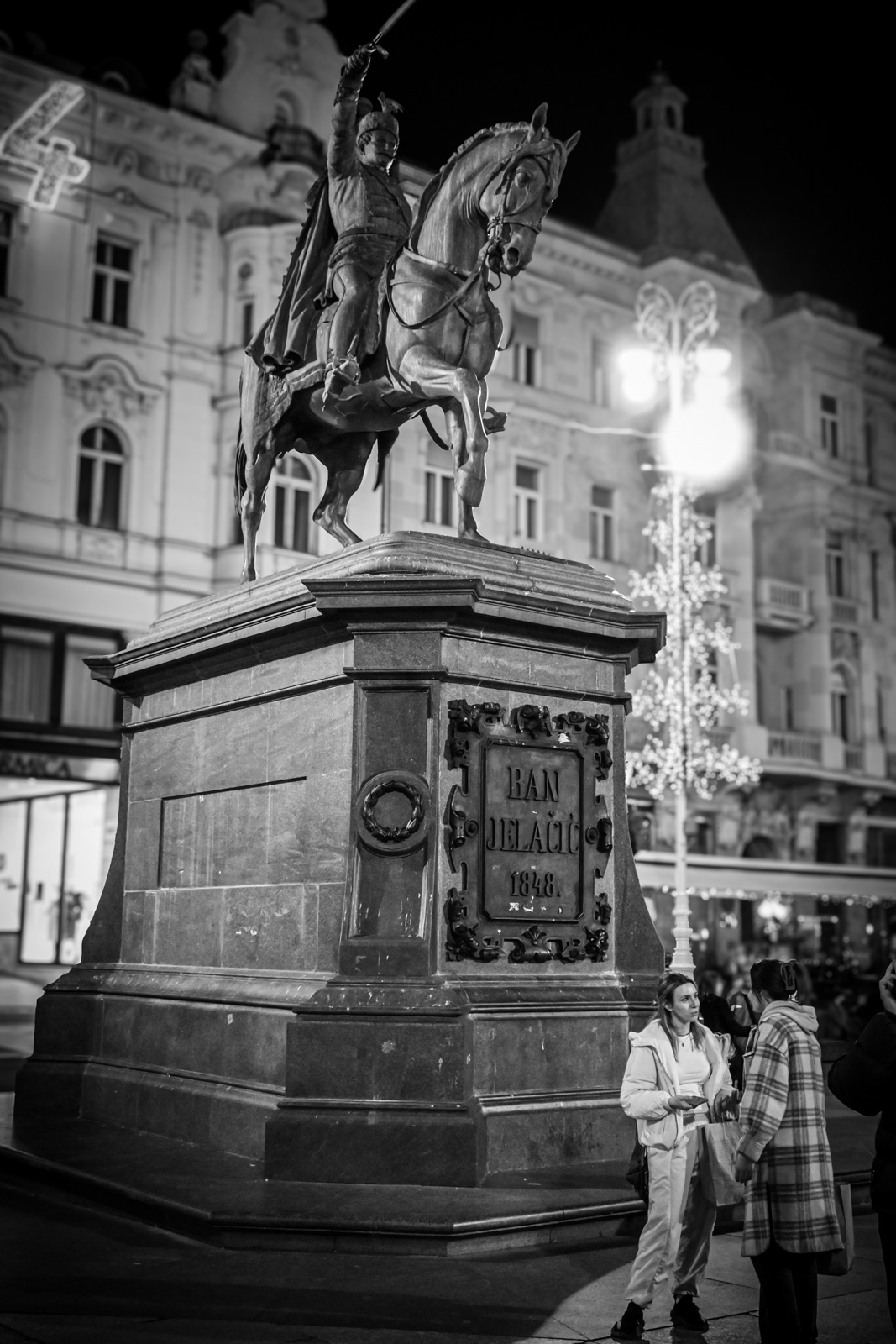
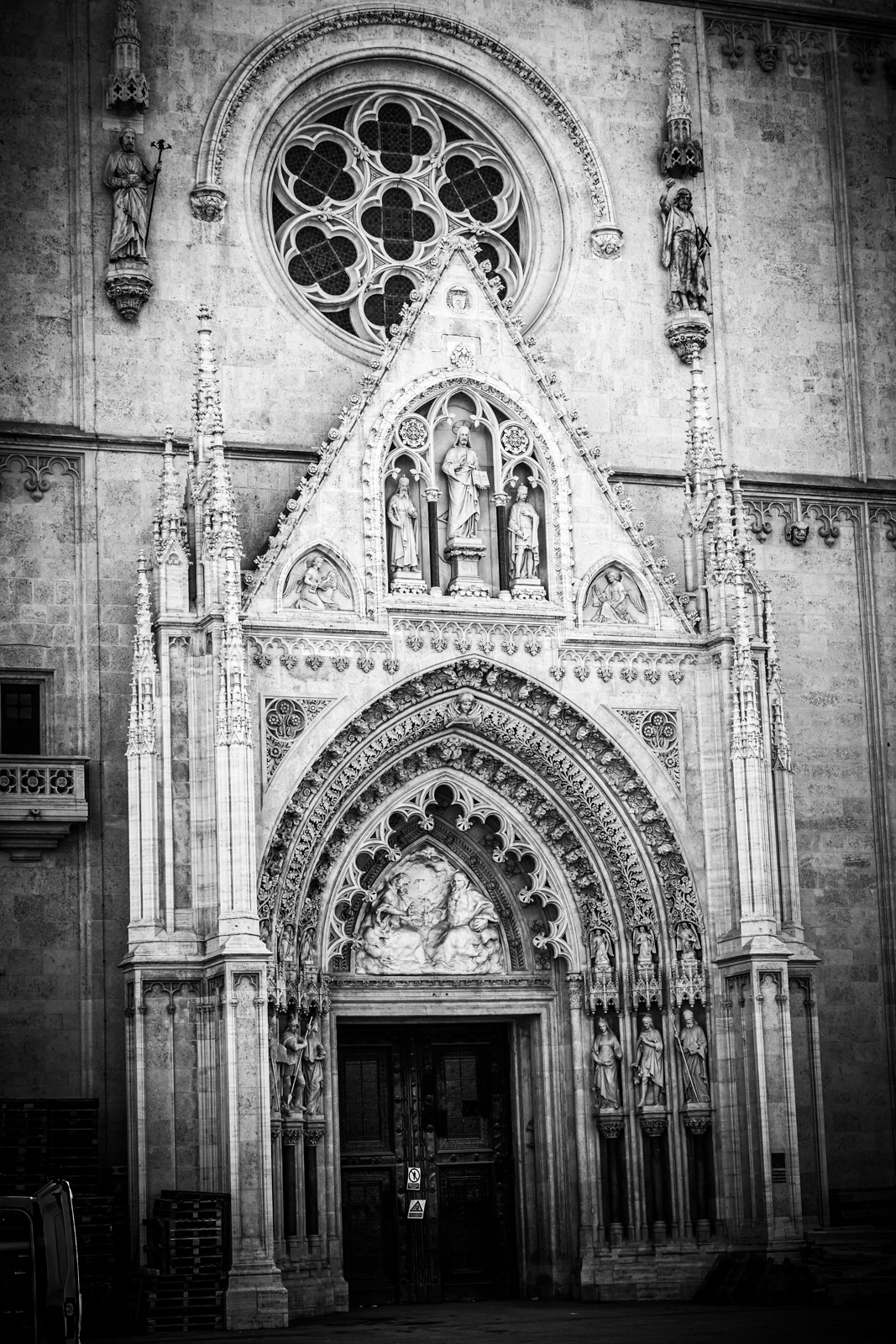





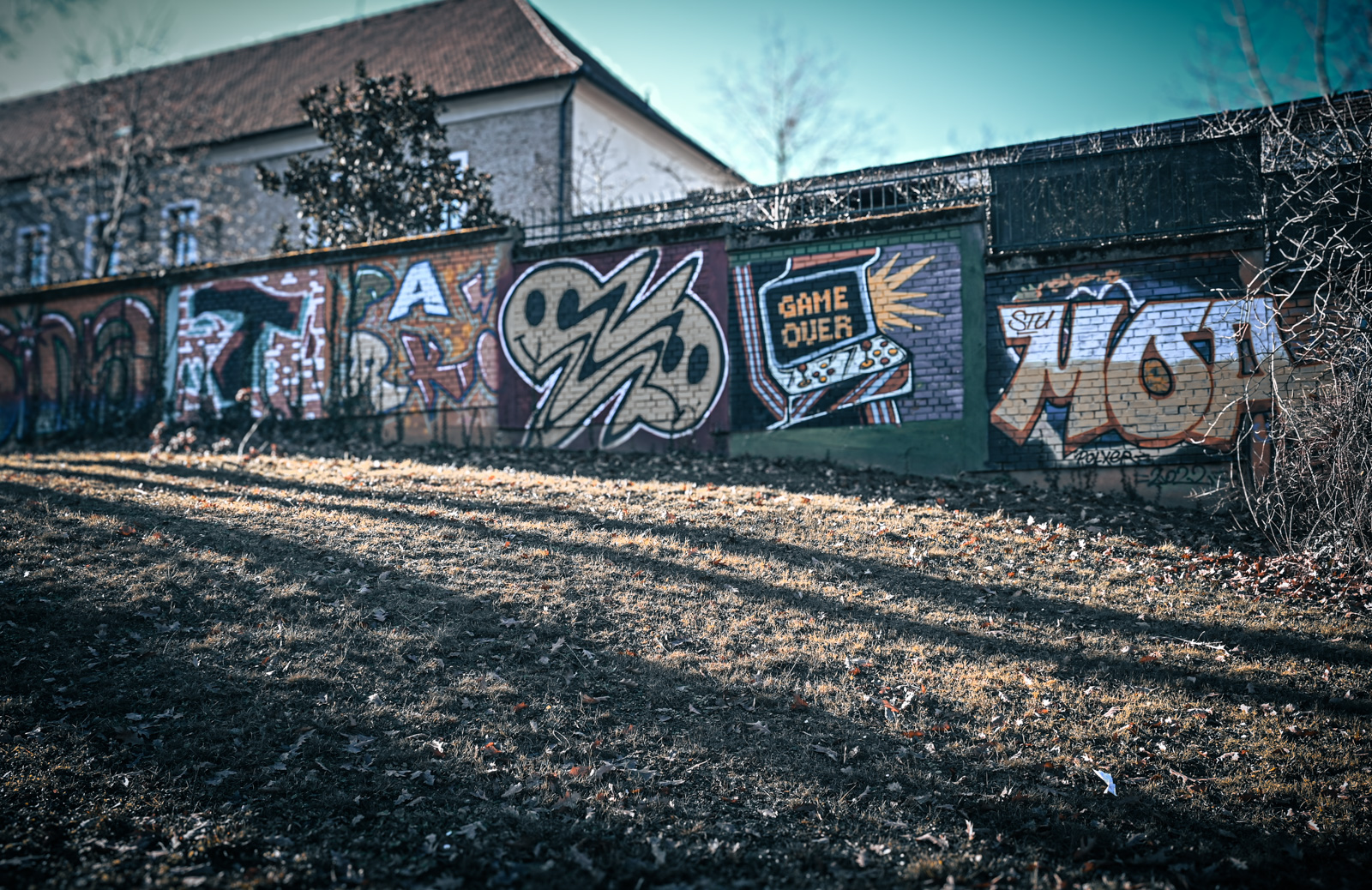

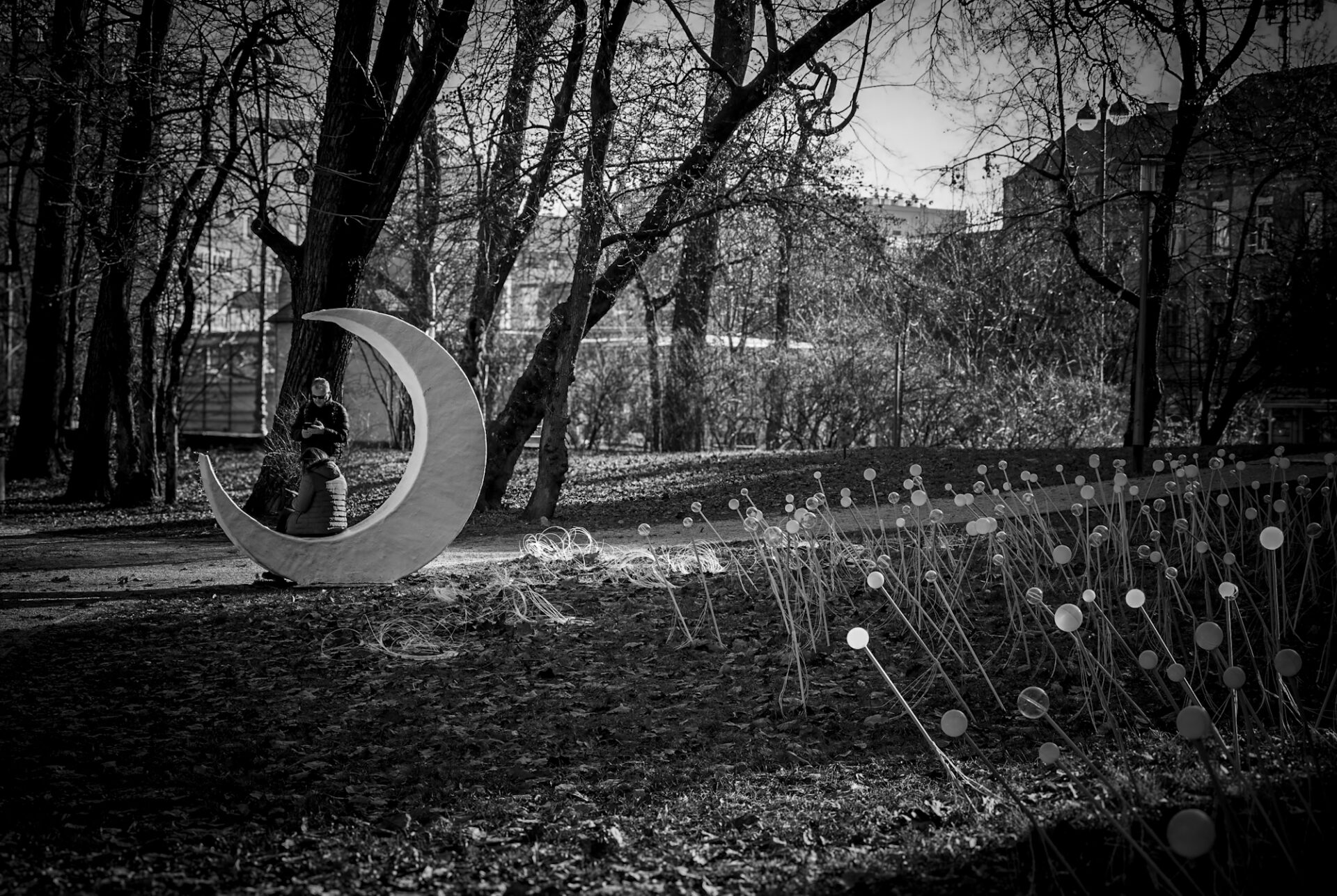
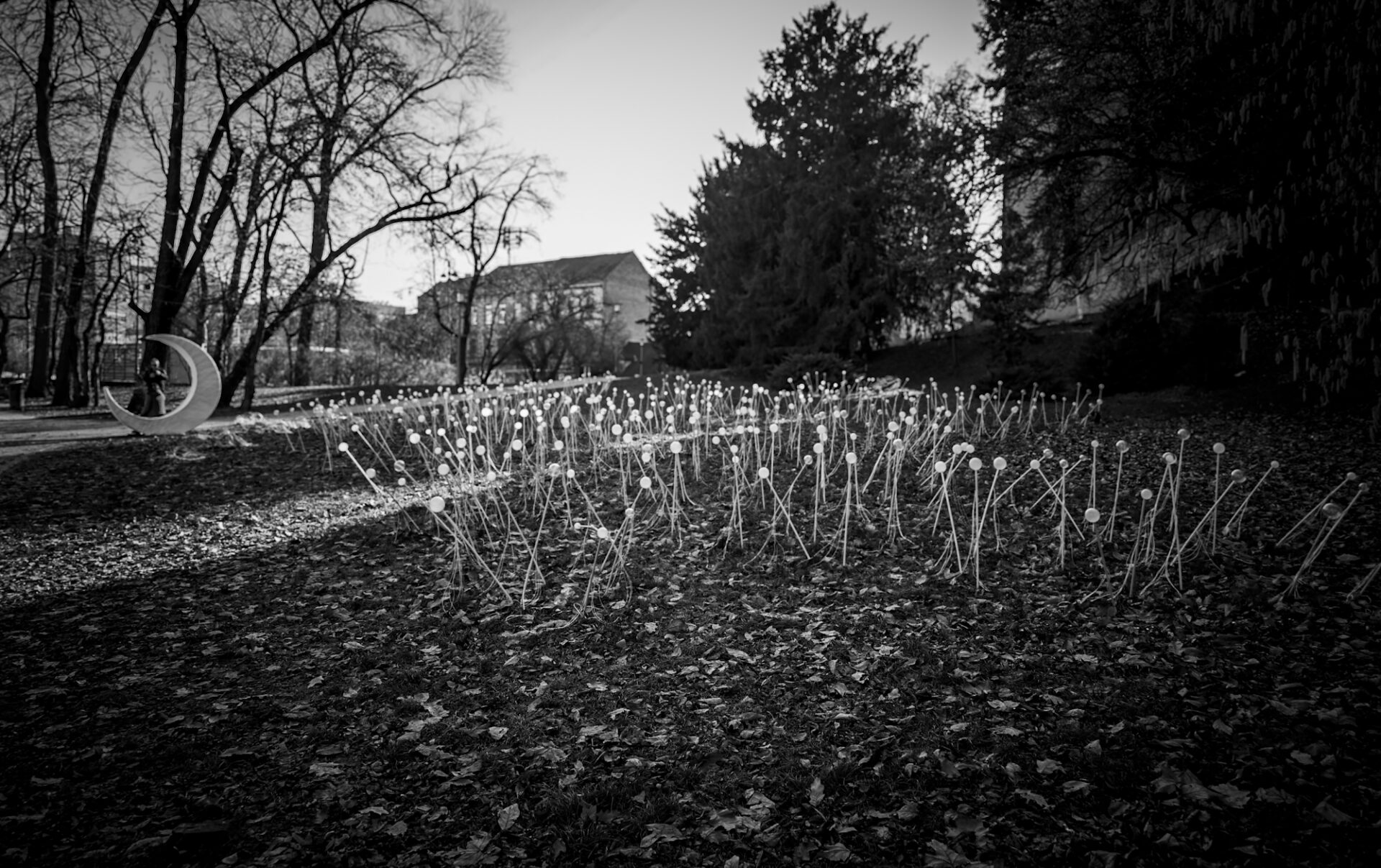
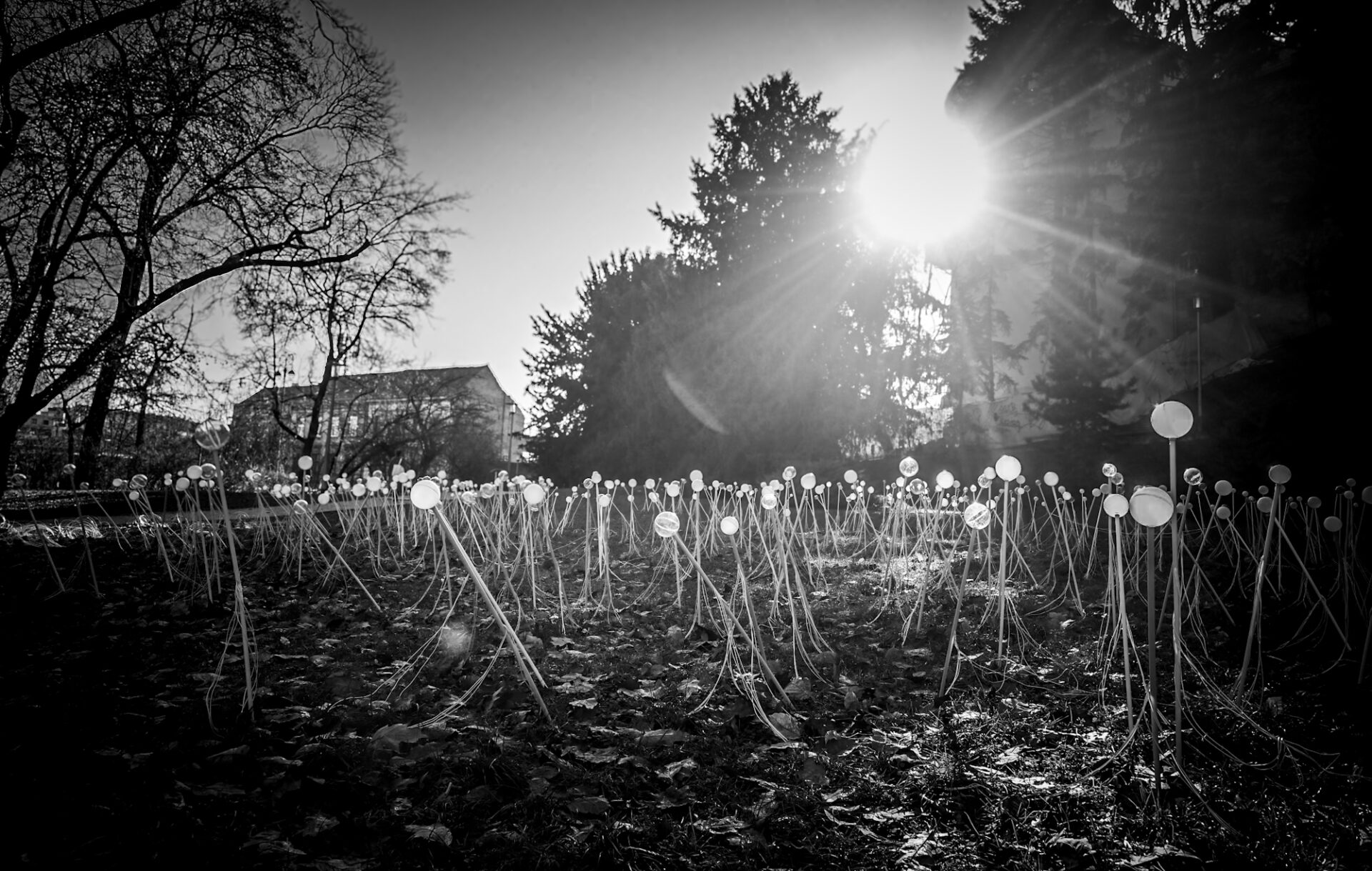



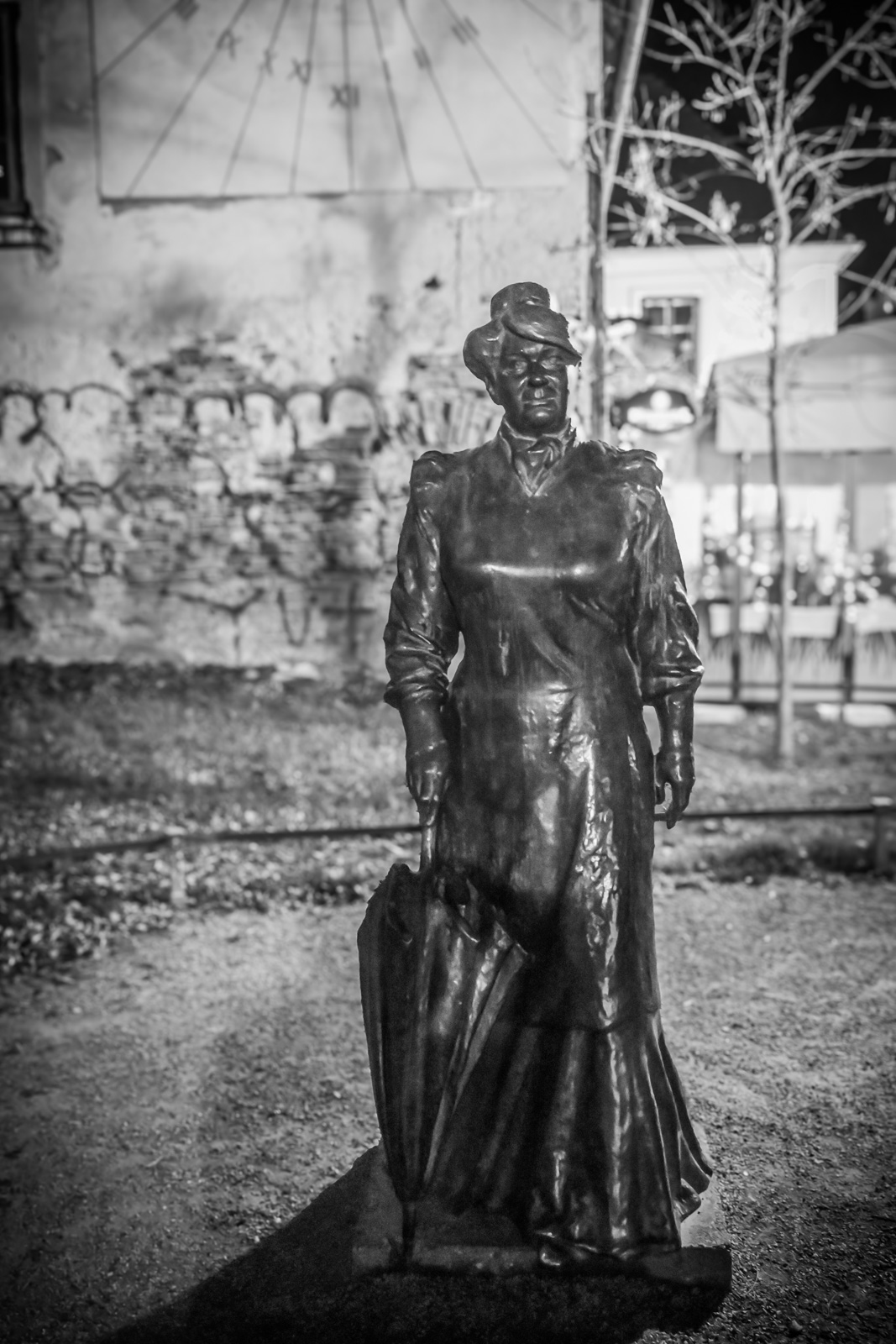
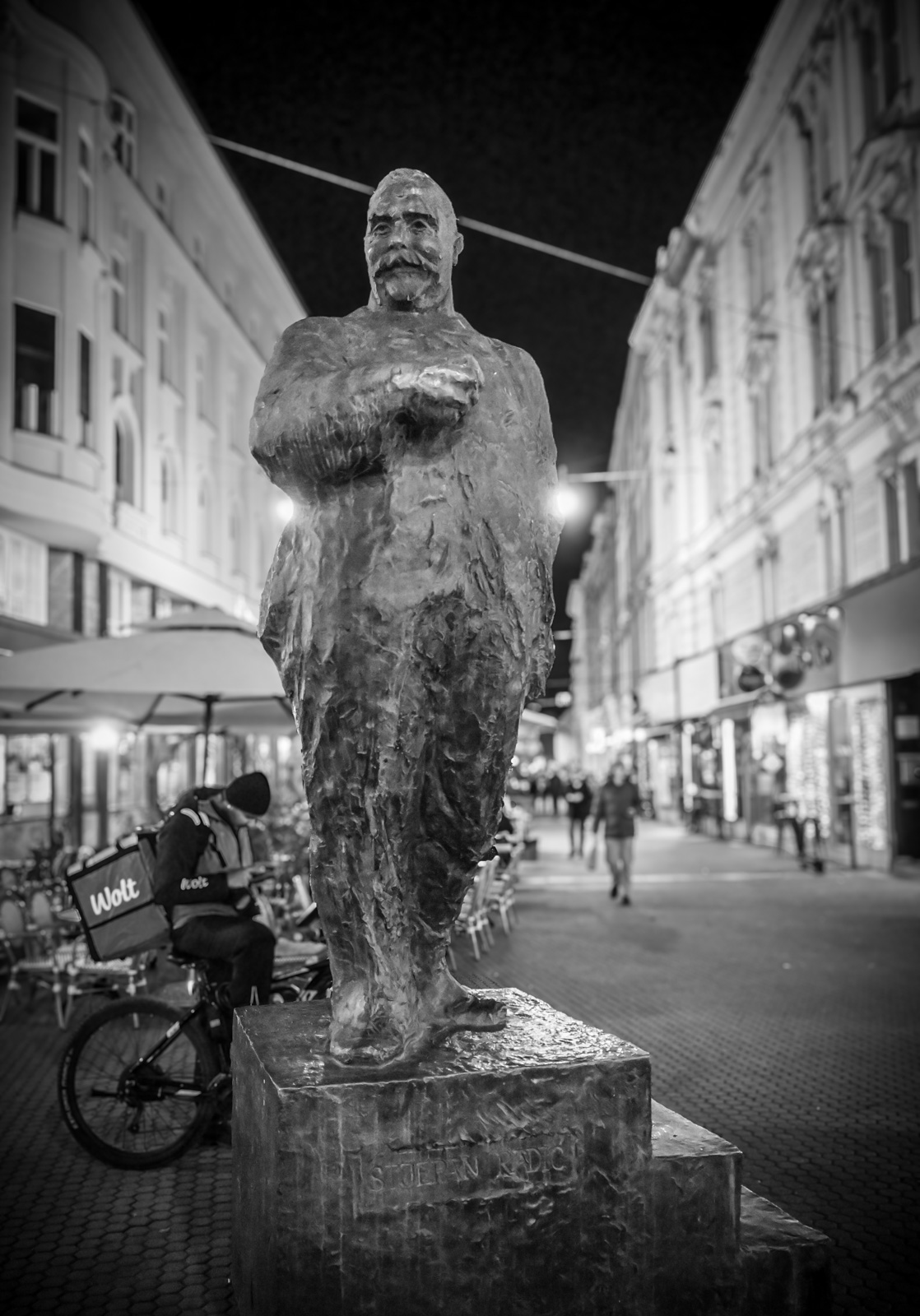
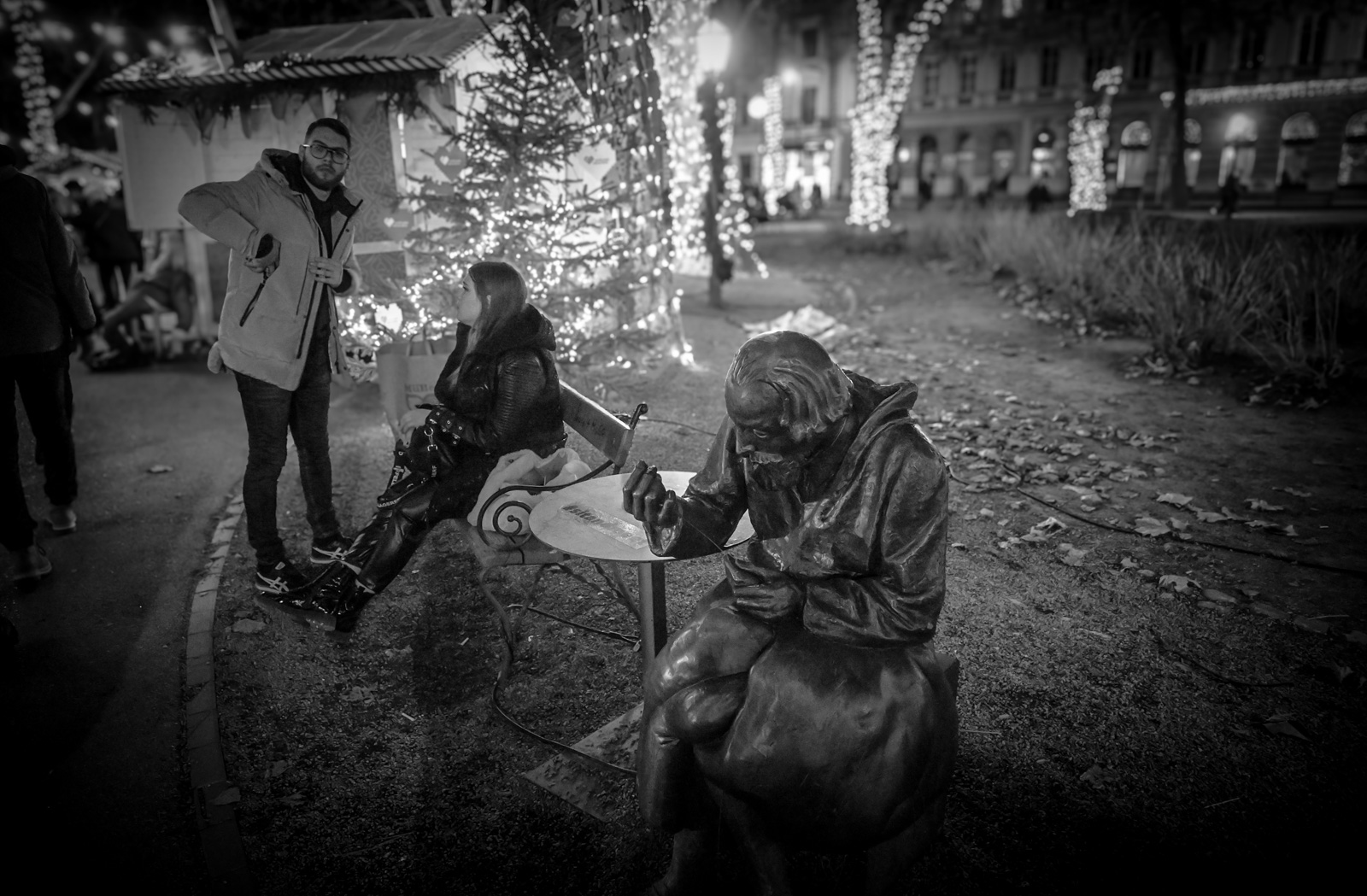
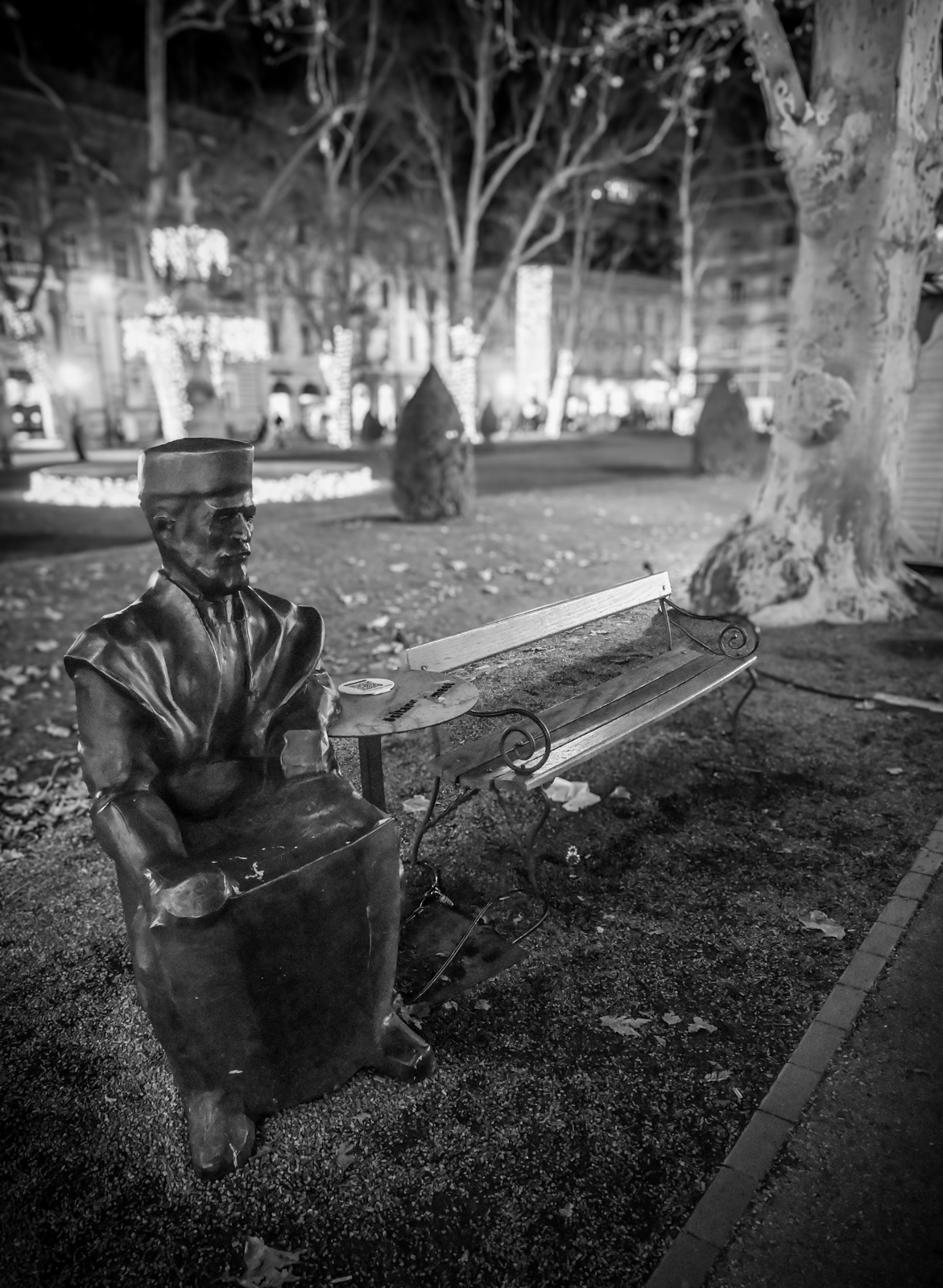
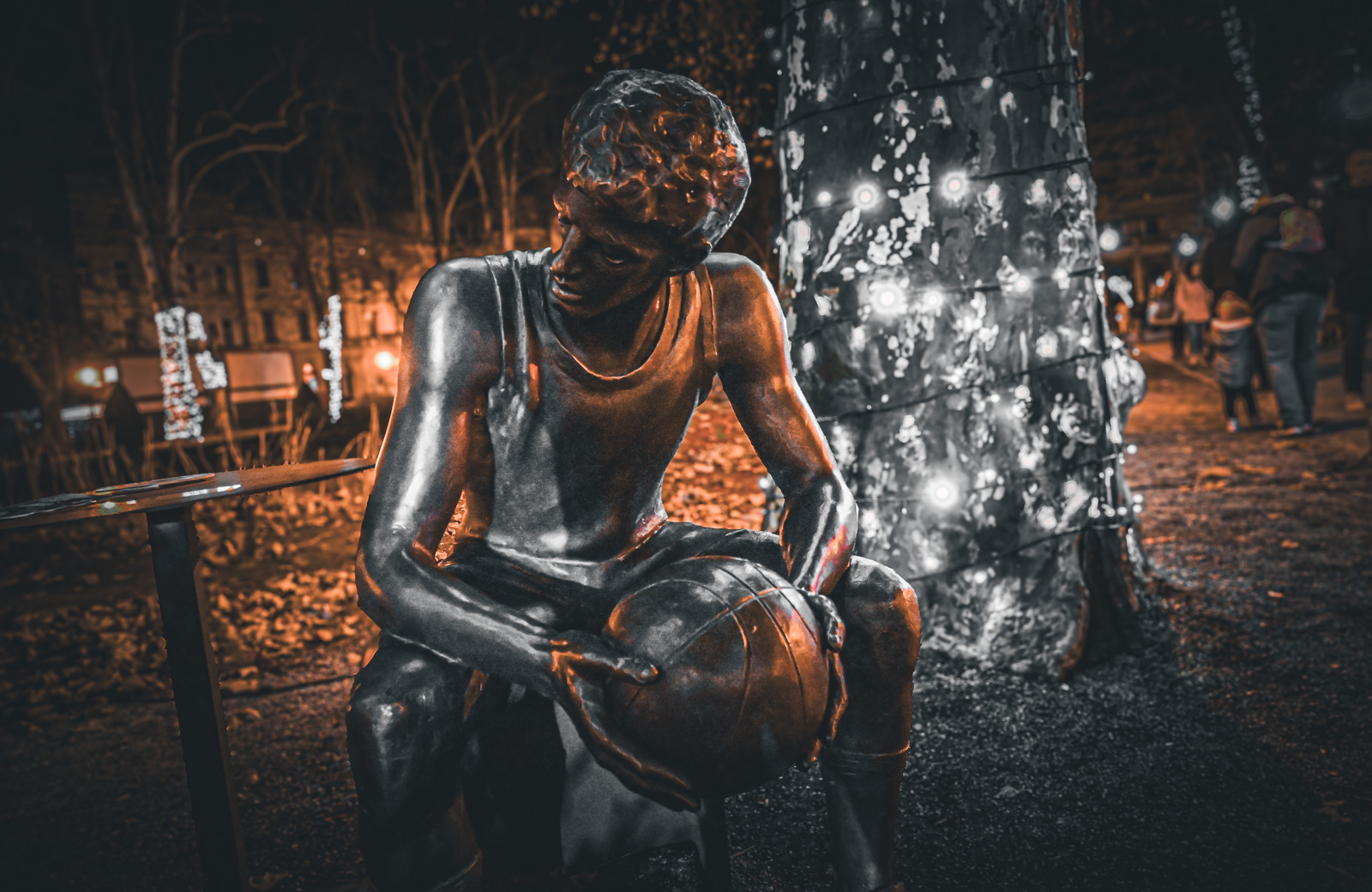
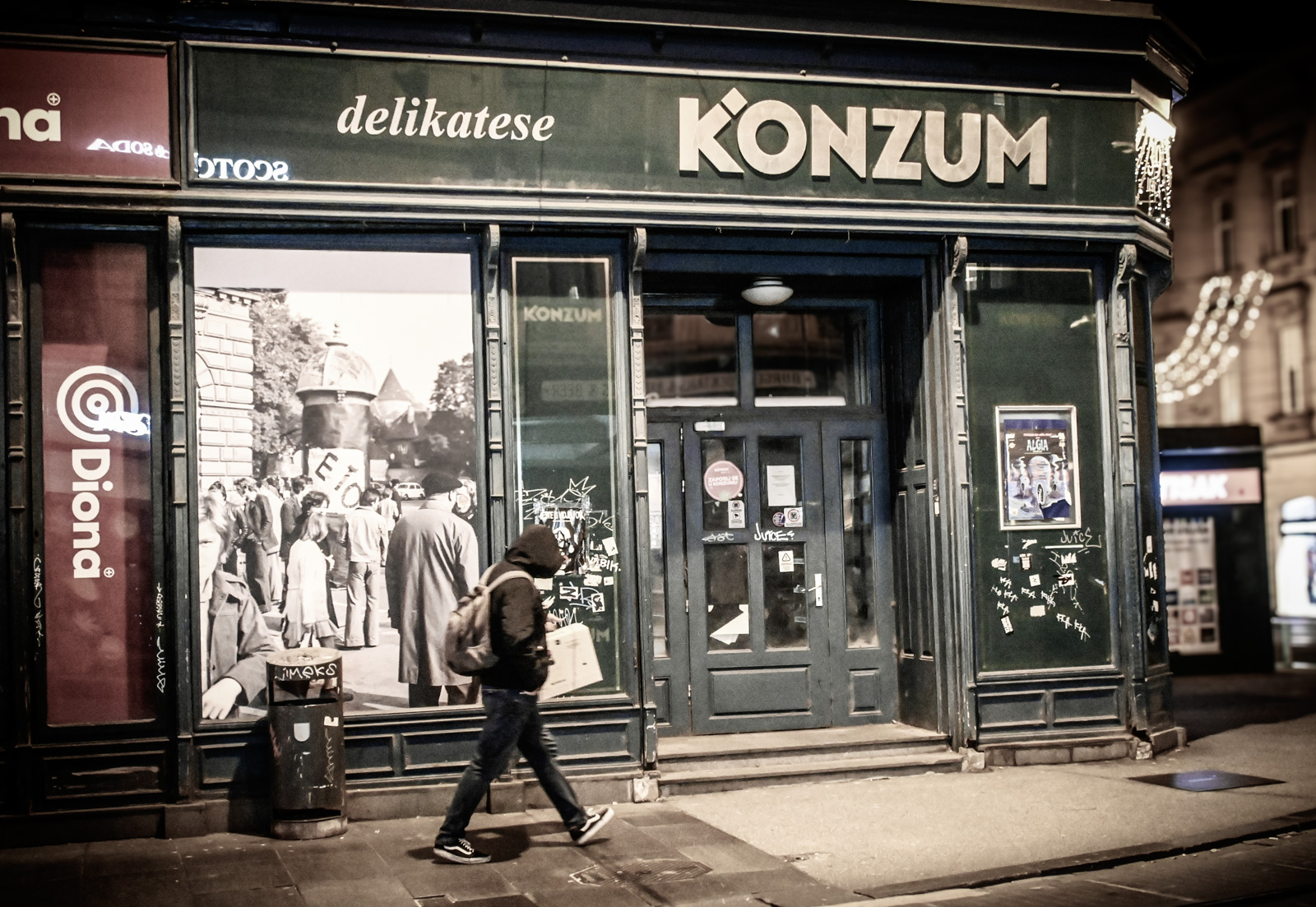

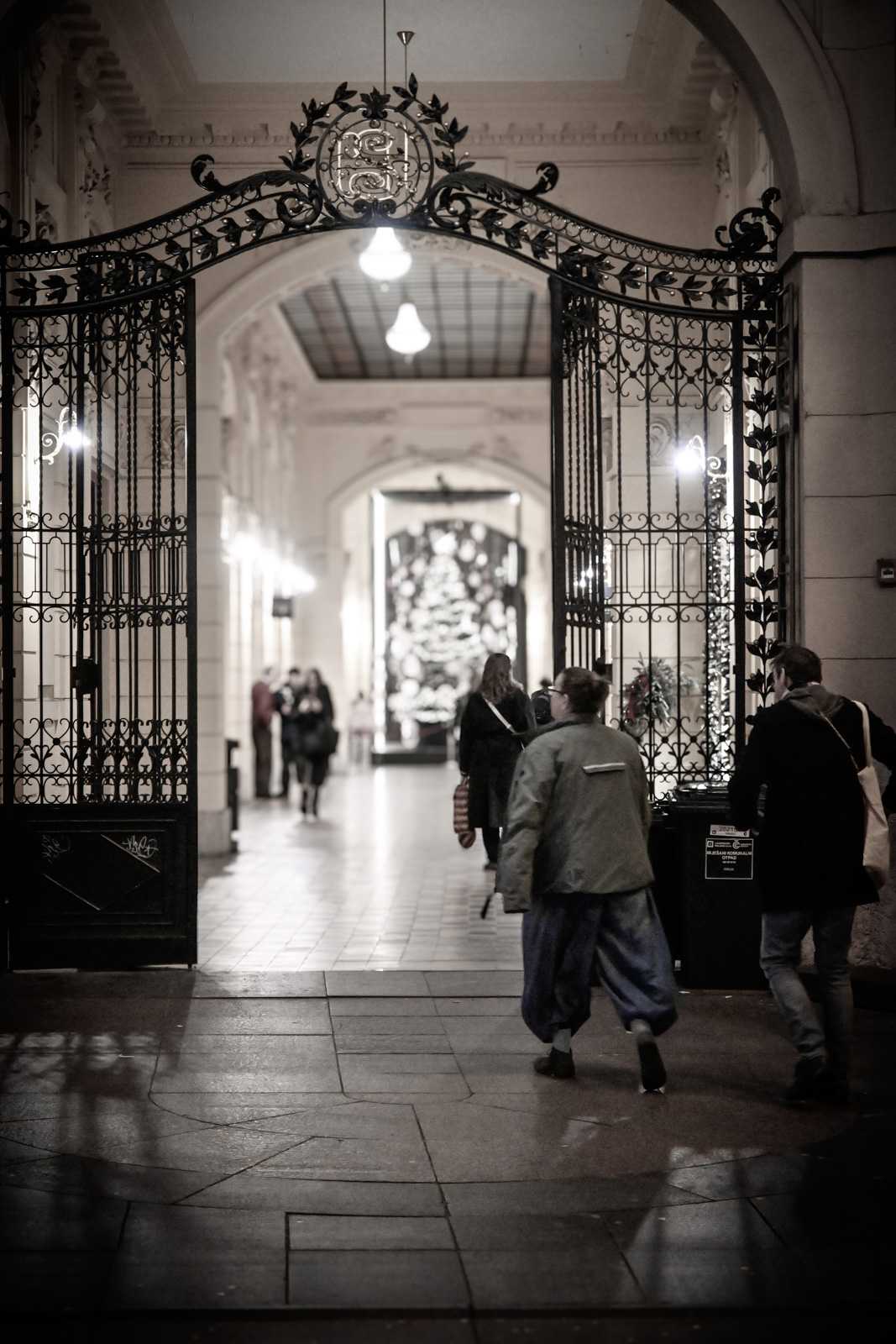

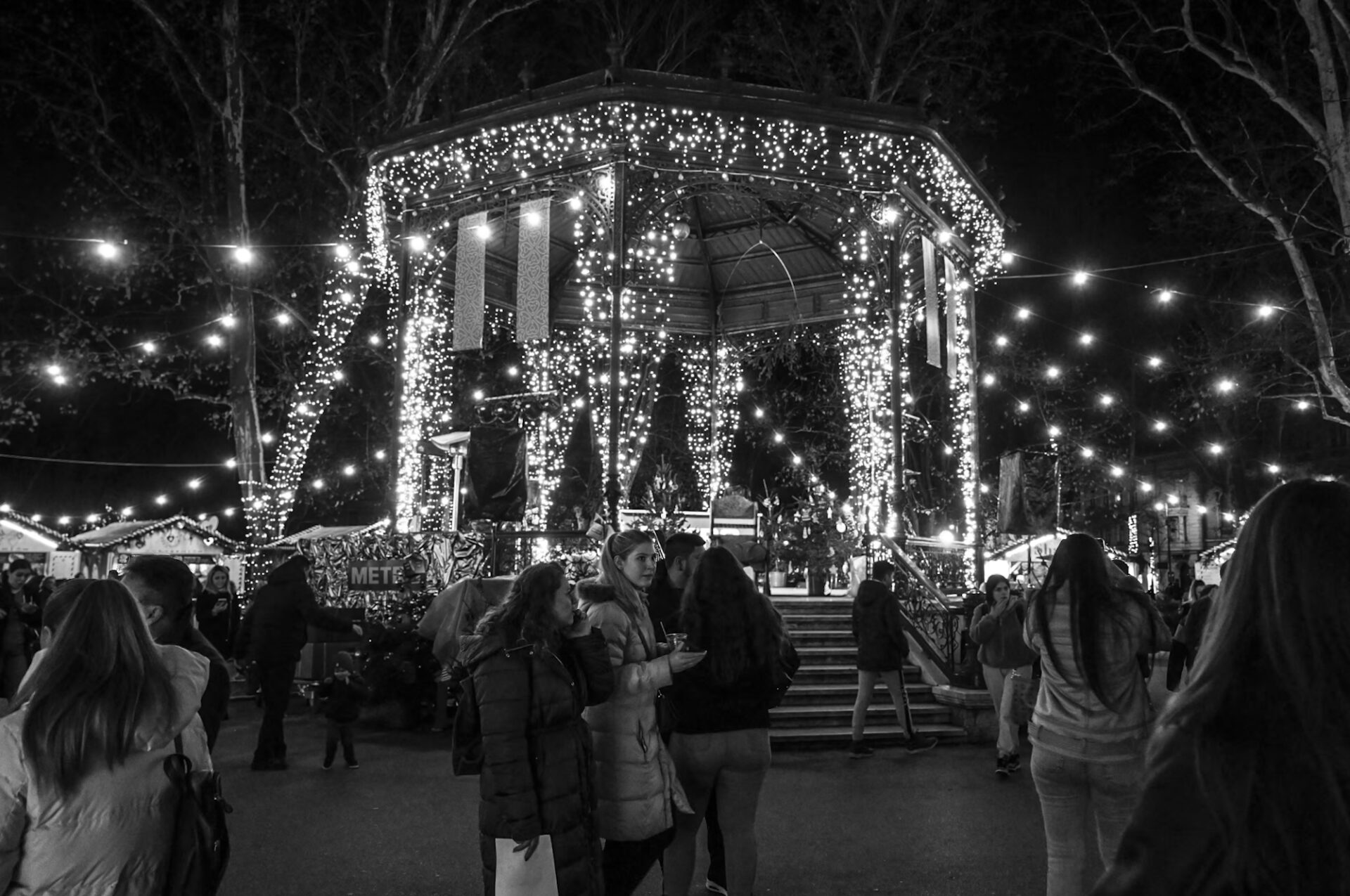
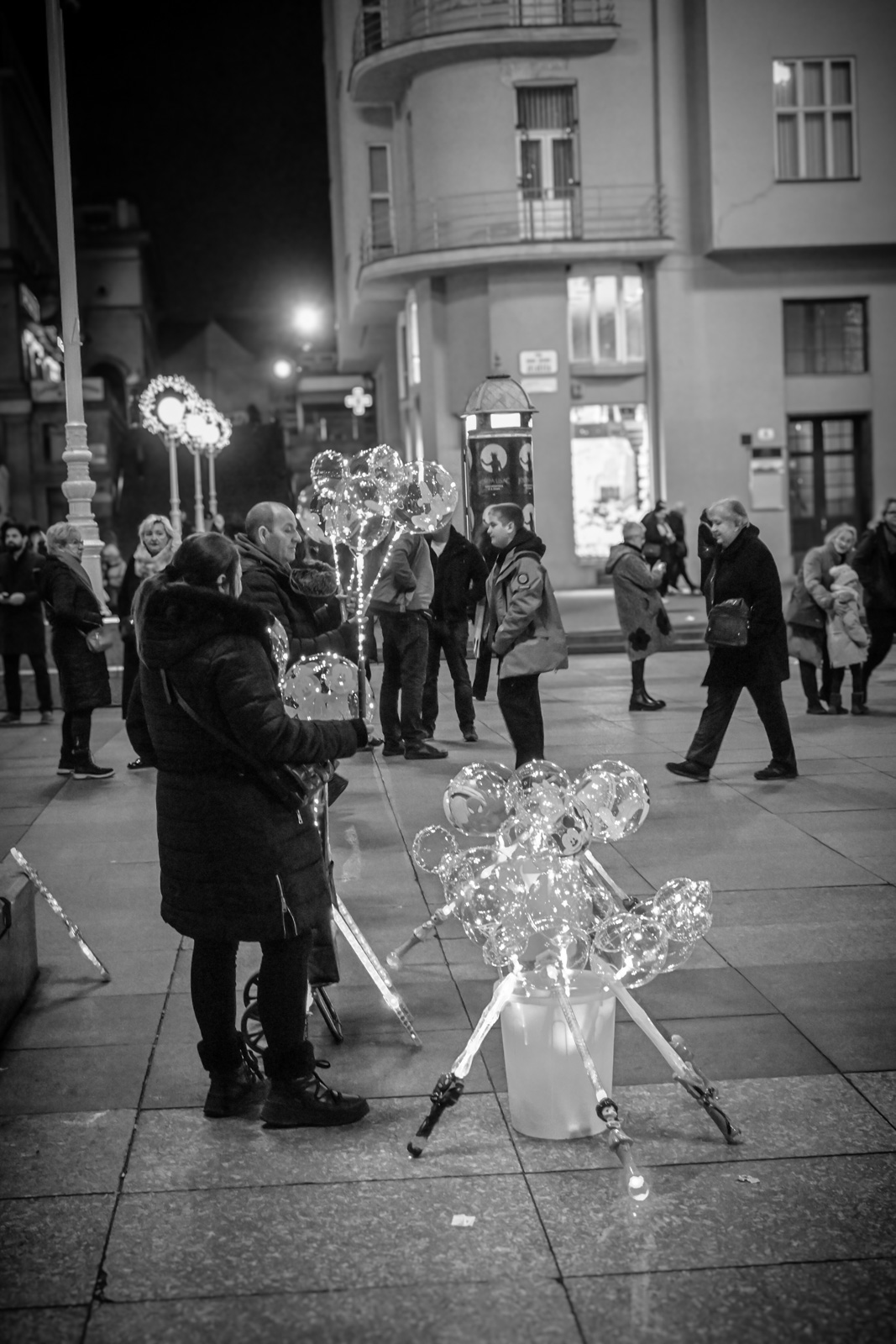






In the streets of Zagreb unfolds a captivating panorama of human existence. This city, shaped by its historical depth and cultural diversity, becomes a vibrant canvas on which the stories of bygone eras and the dreams of the present seamlessly merge.
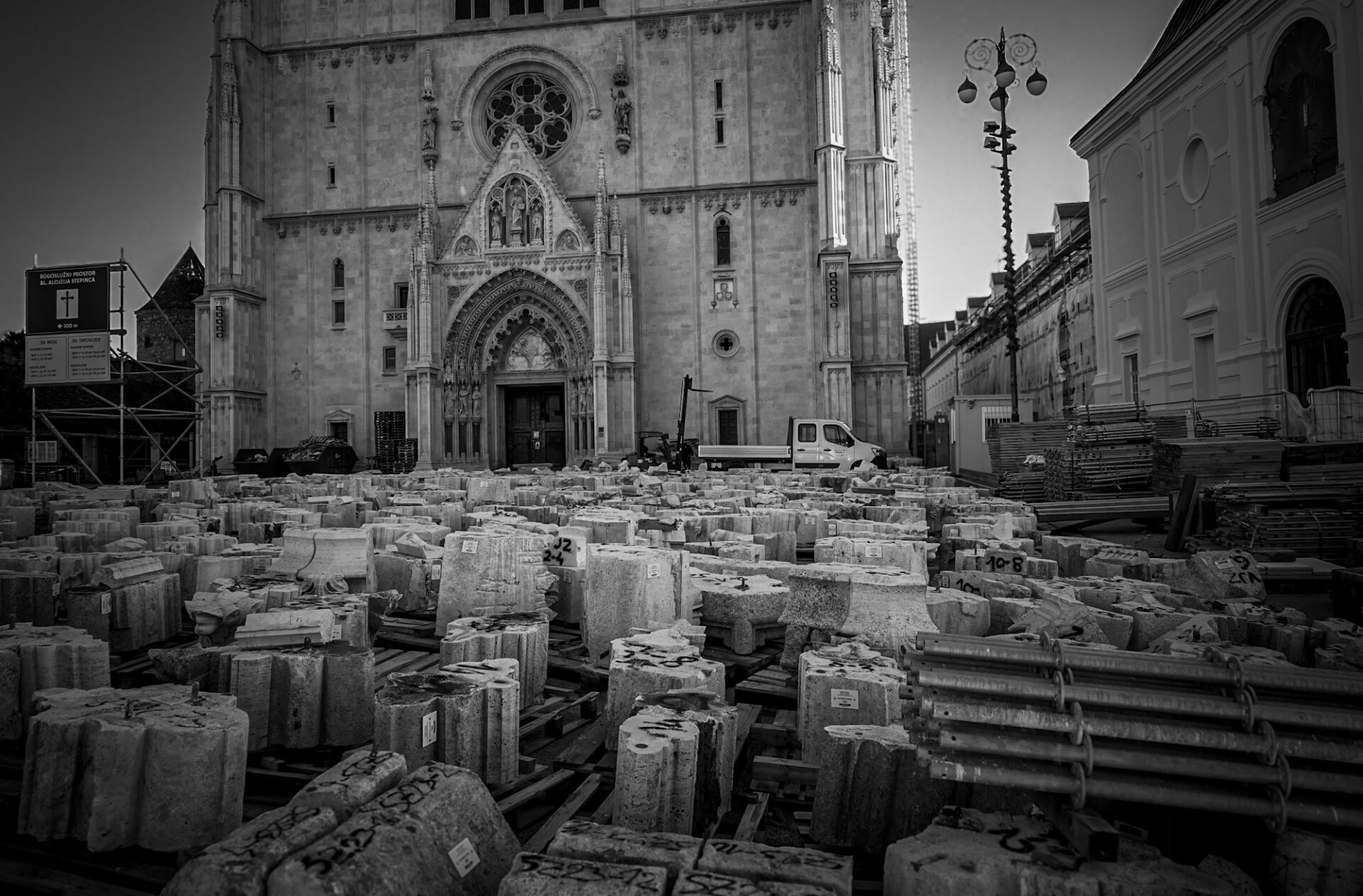
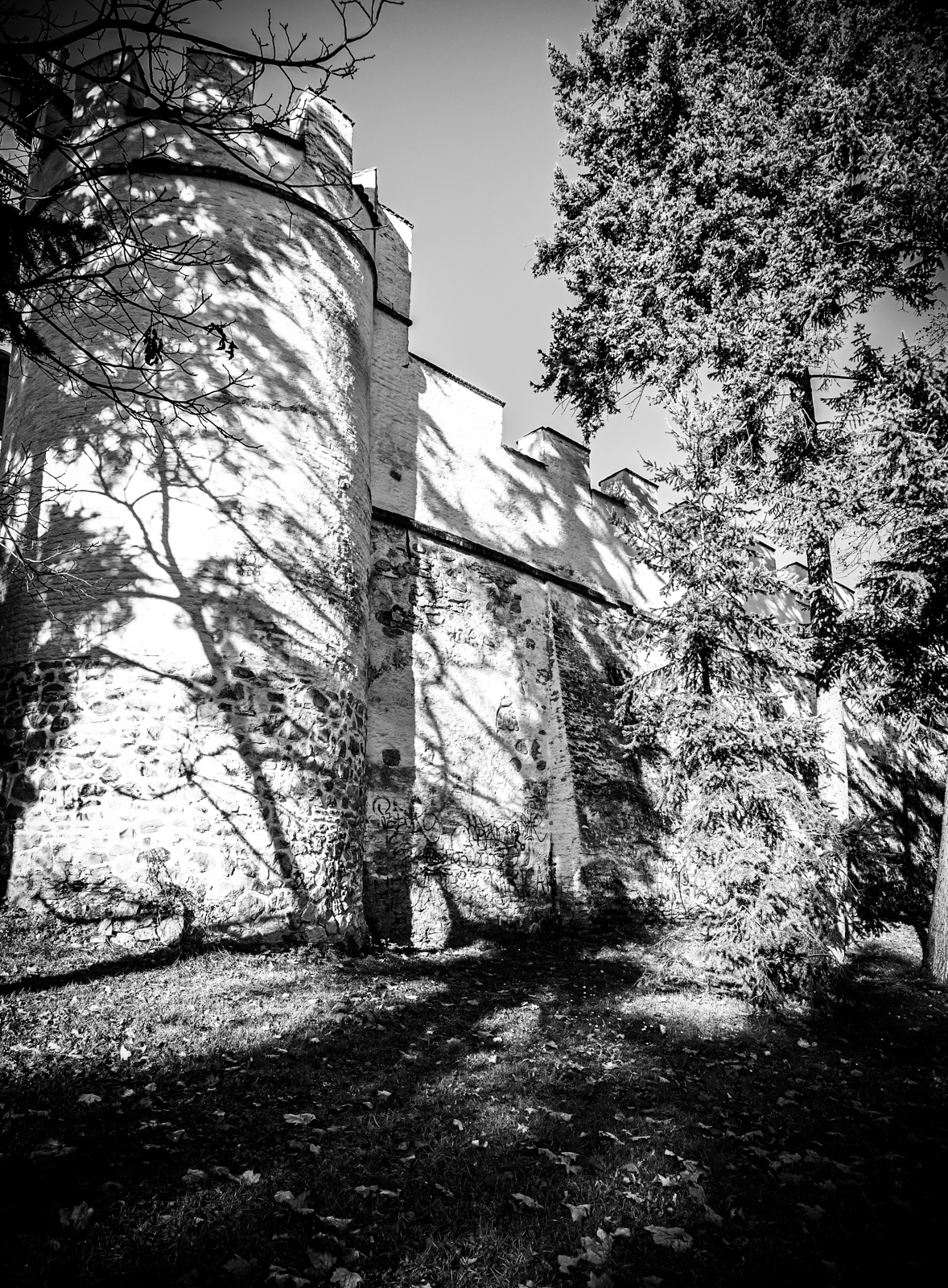
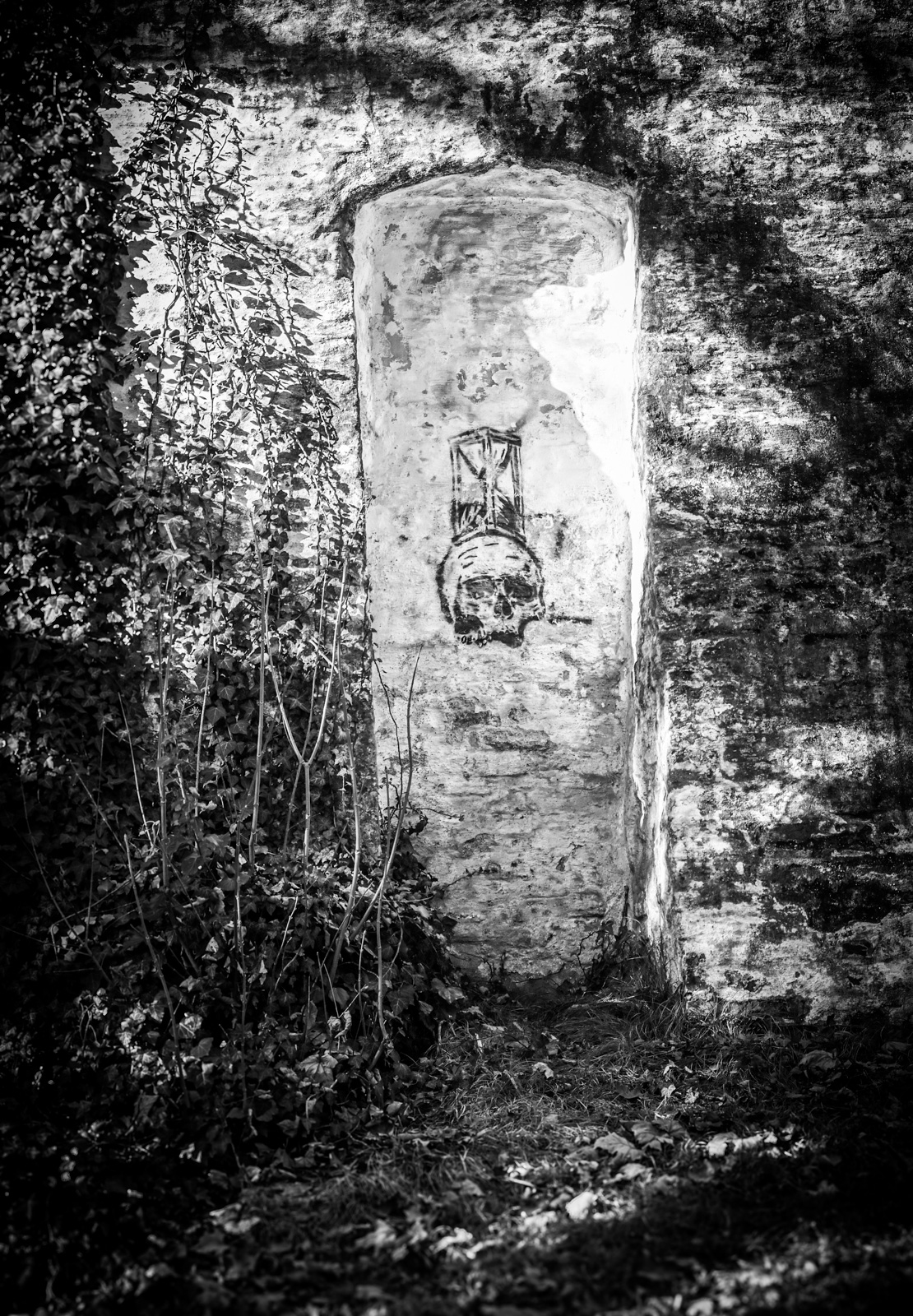
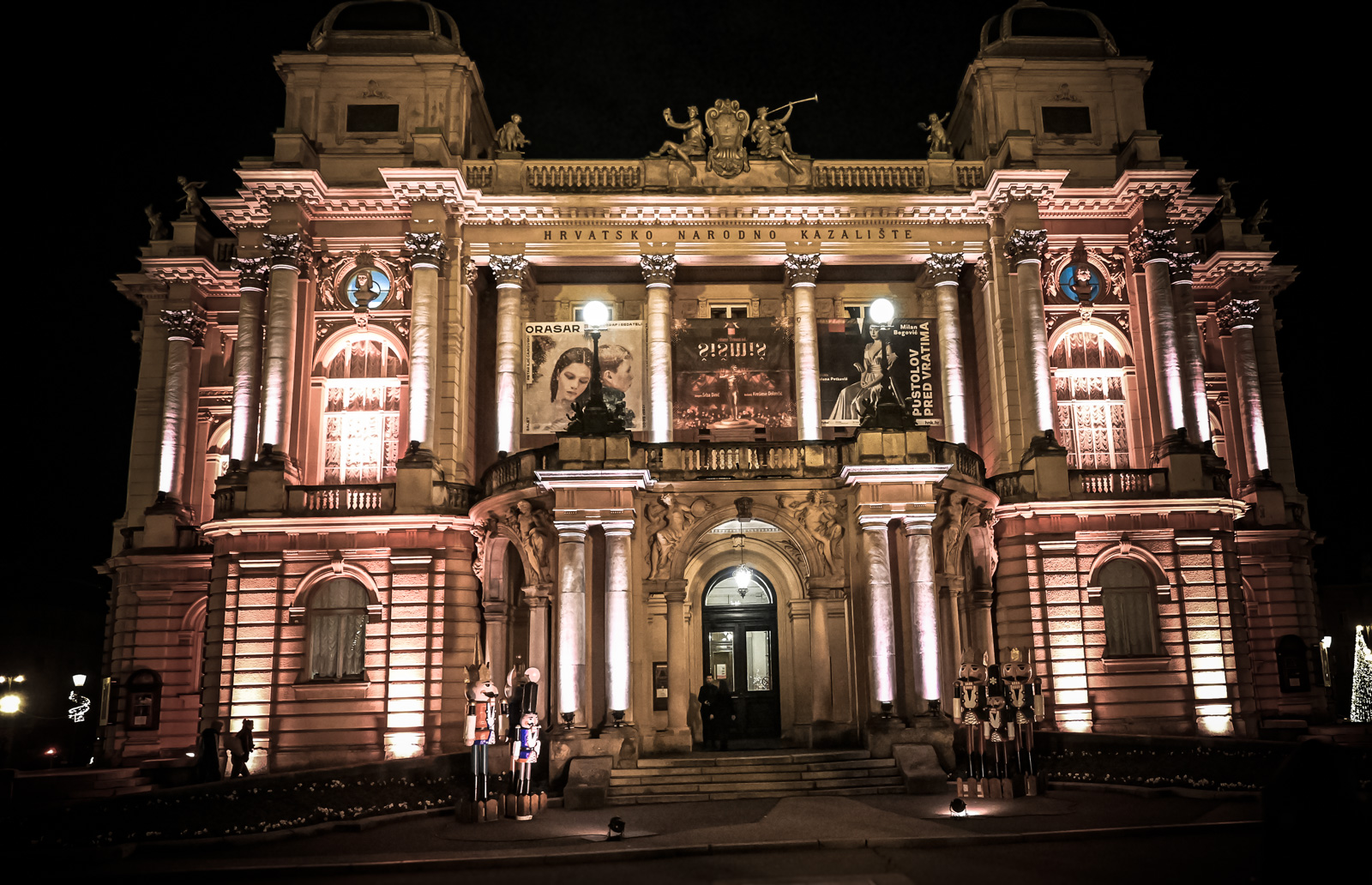
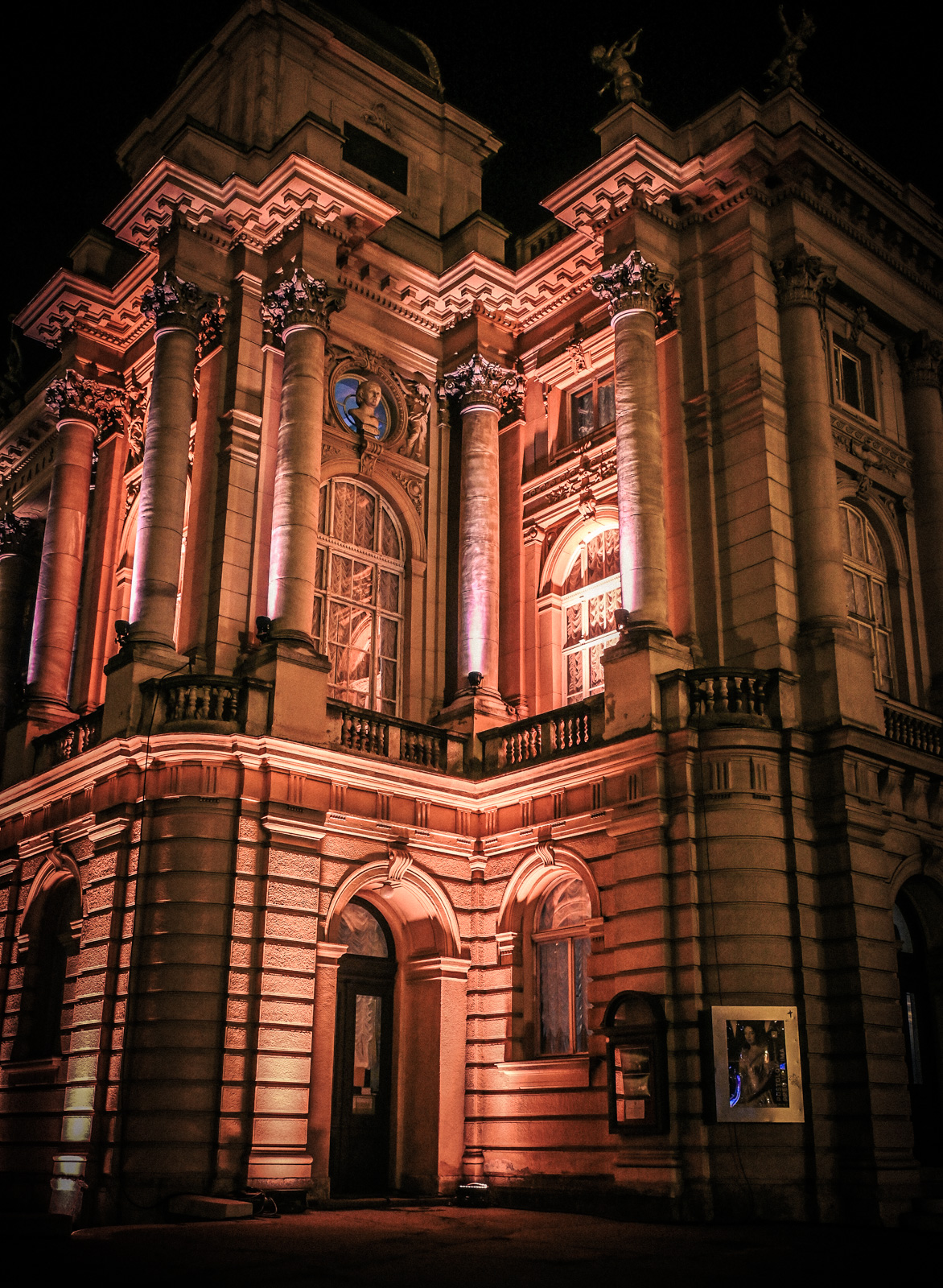
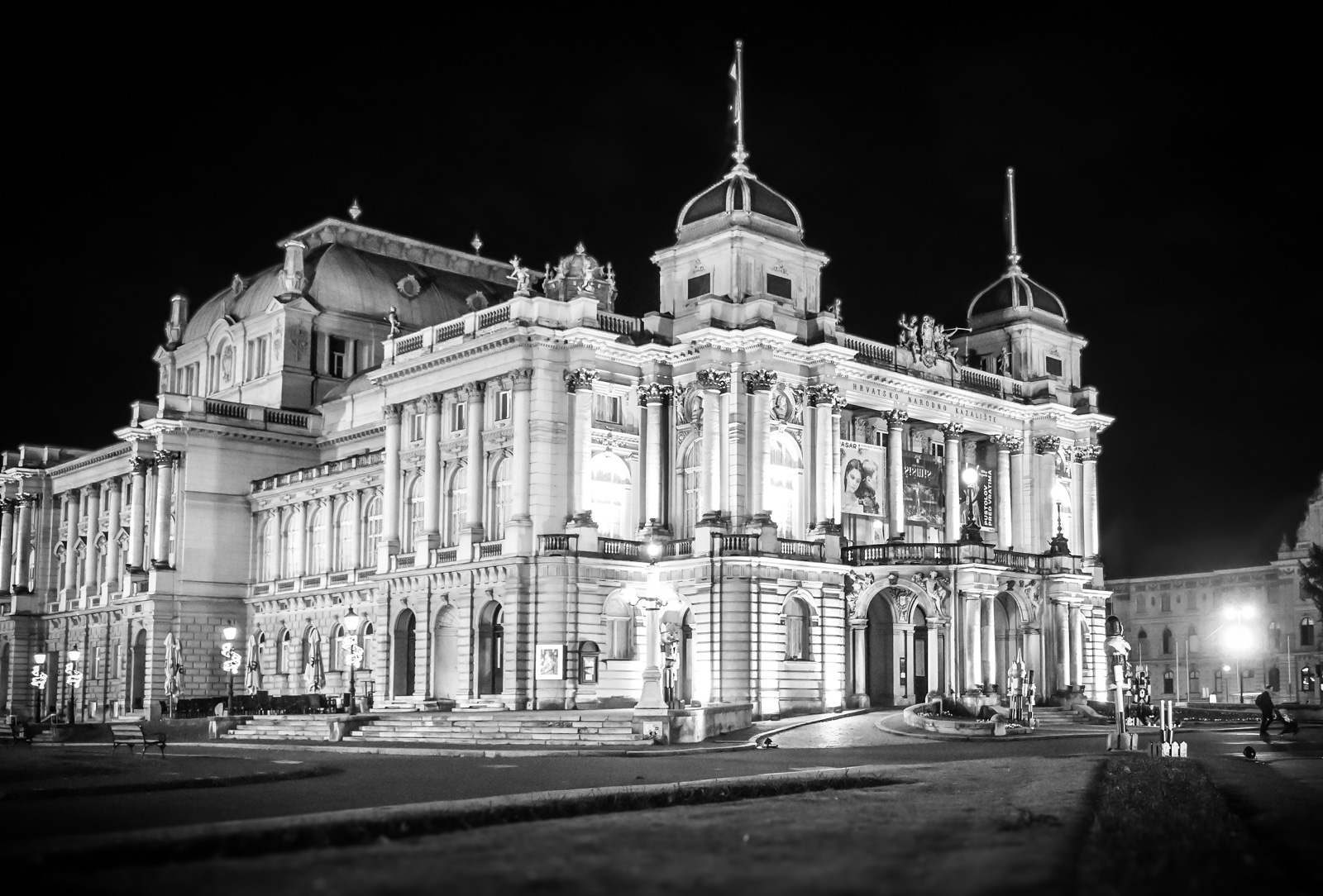
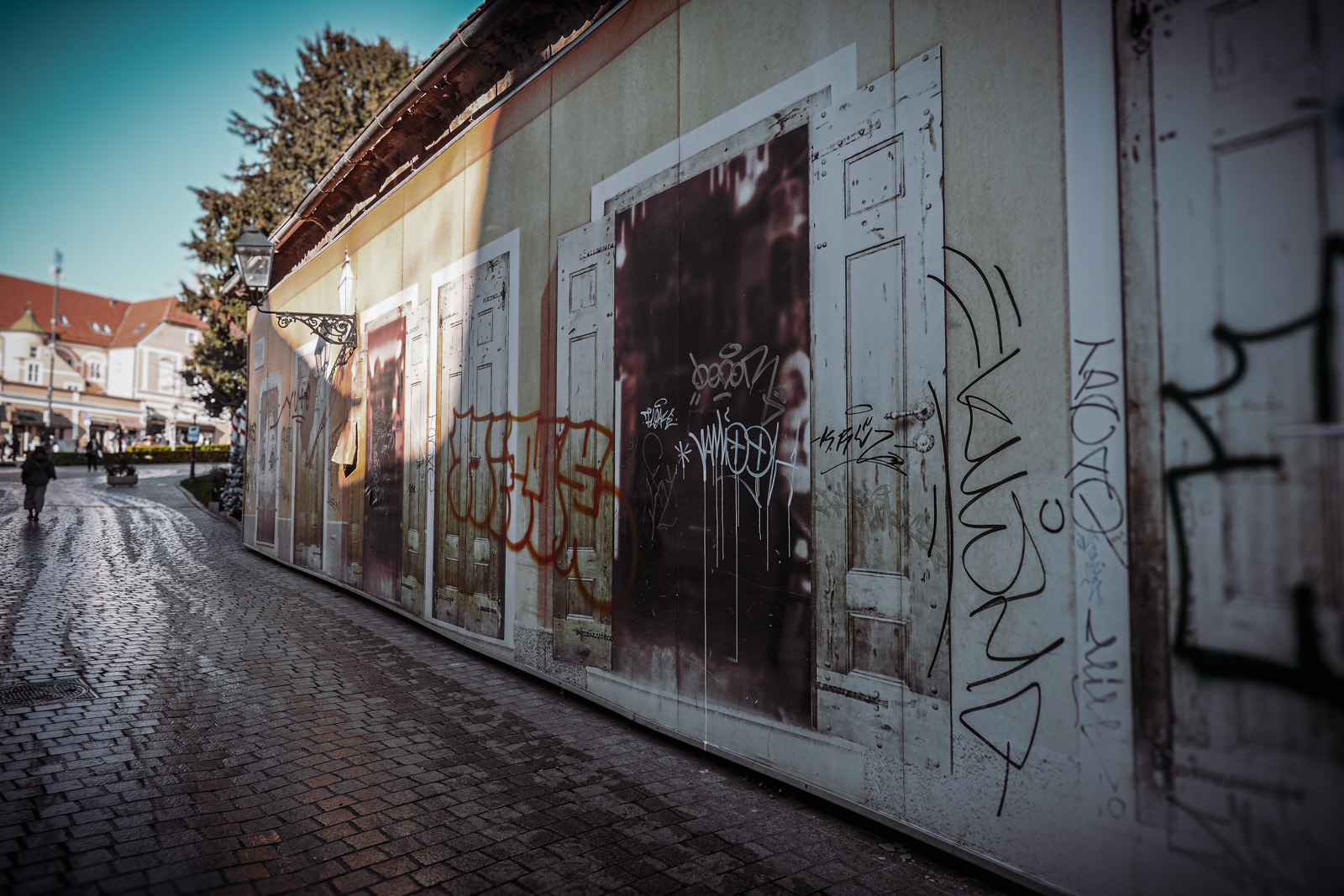
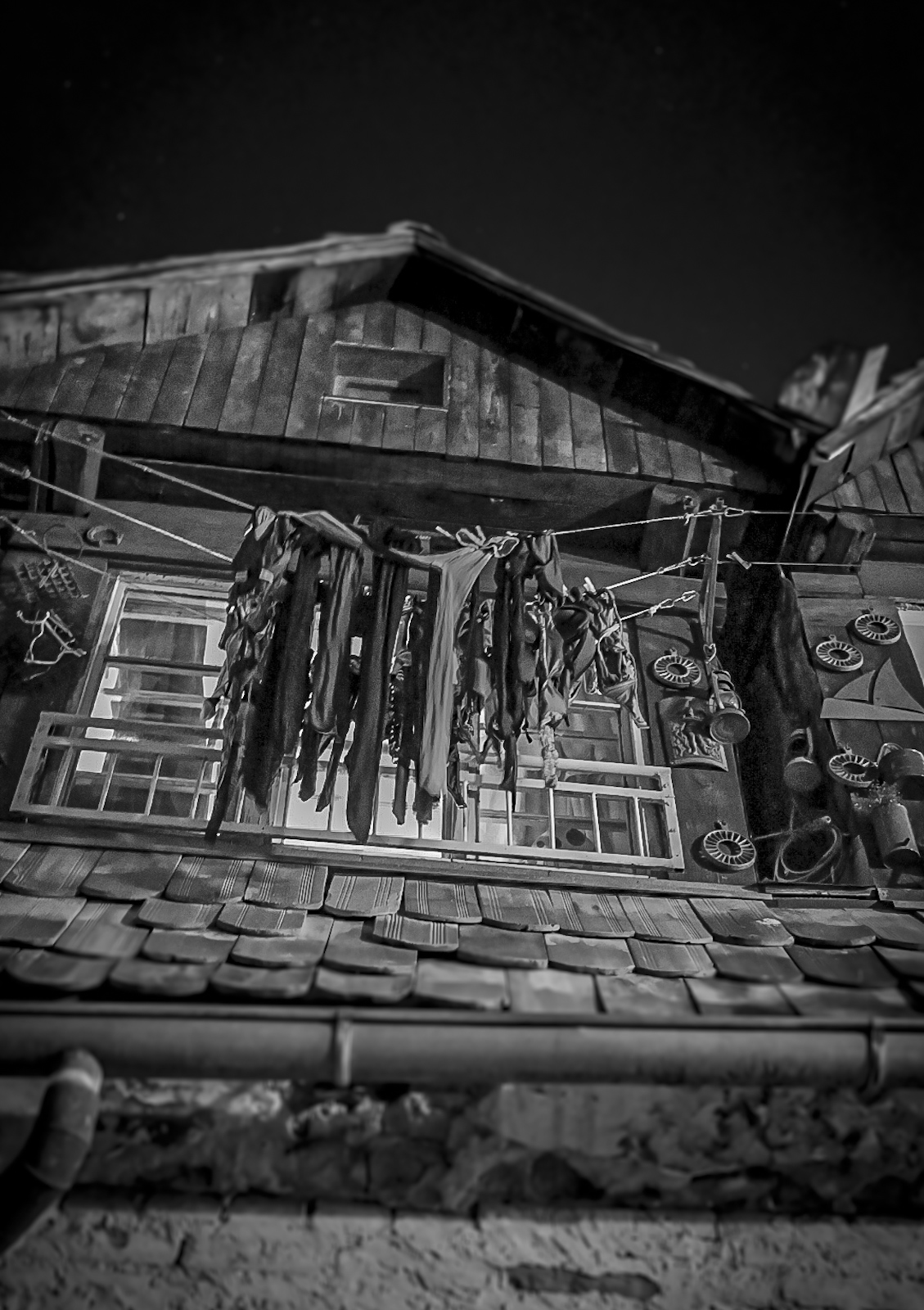
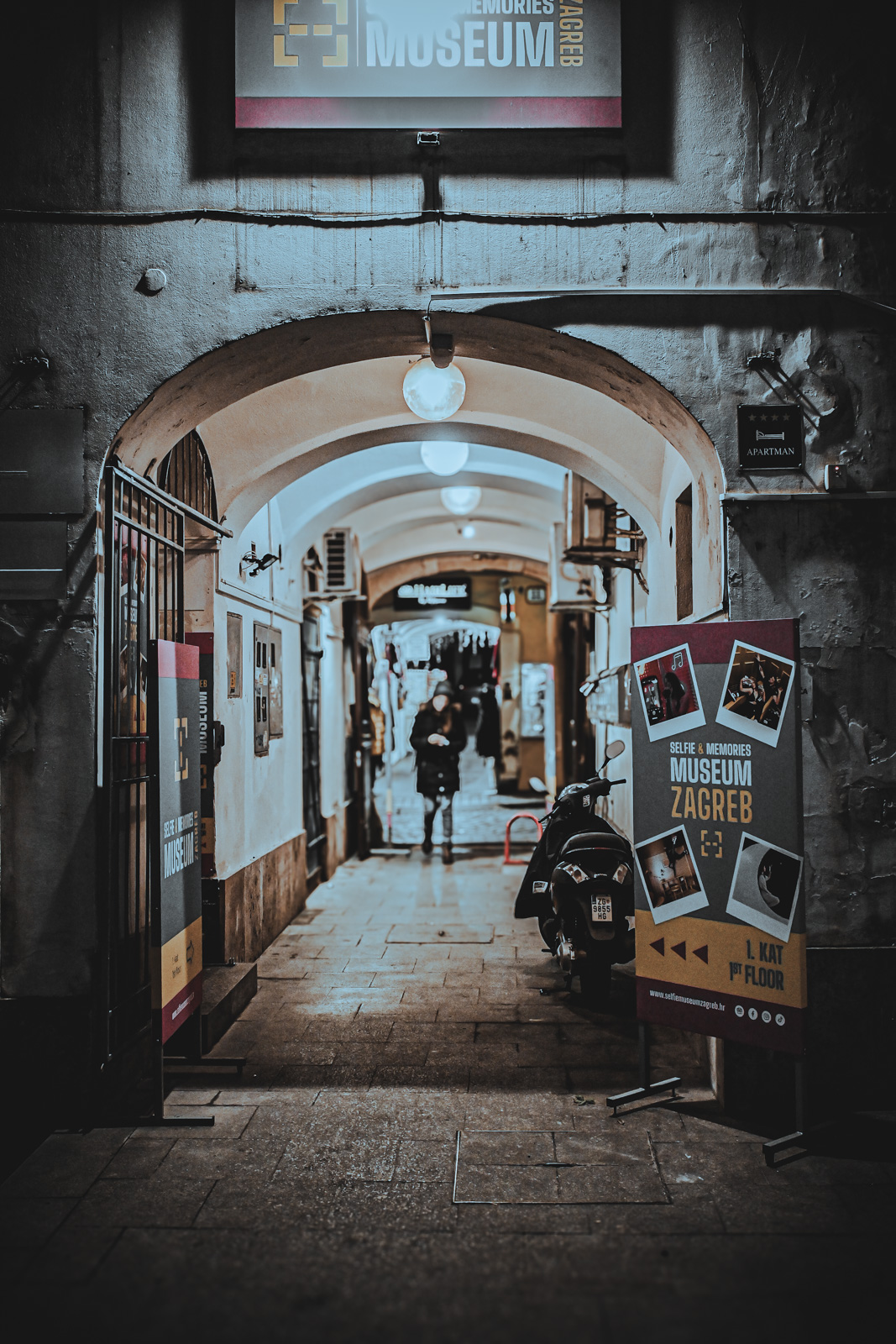
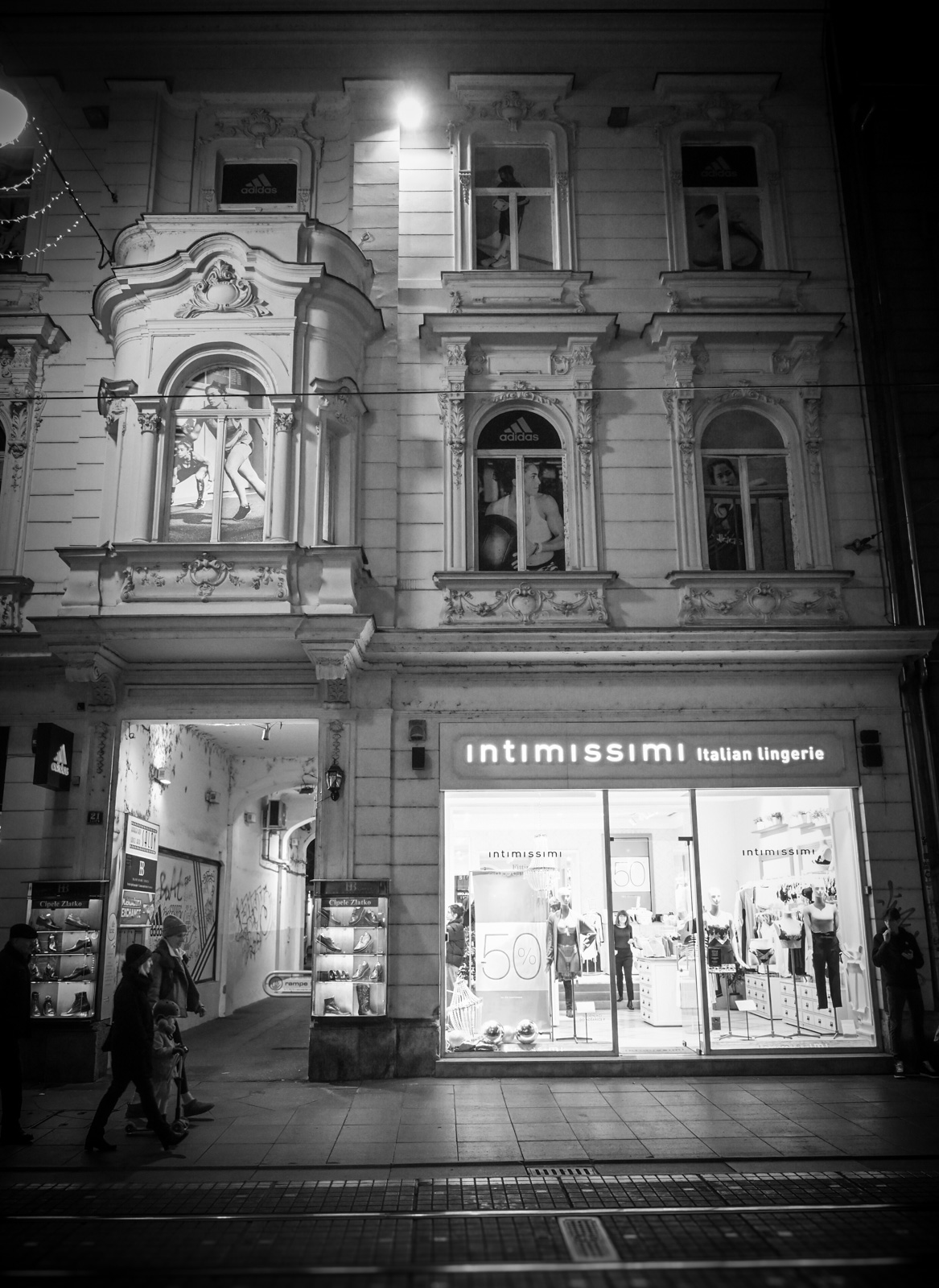
Zagreb is not merely a geographical location; it is a pulsating melody of diverse sounds composing the symphony of urban life. The cobblestone streets and majestic architecture narrate a past etched into the walls of the old town. The city walls seem to guard secrets, while the windows of ancient buildings gaze like curious eyes into the depths of history.
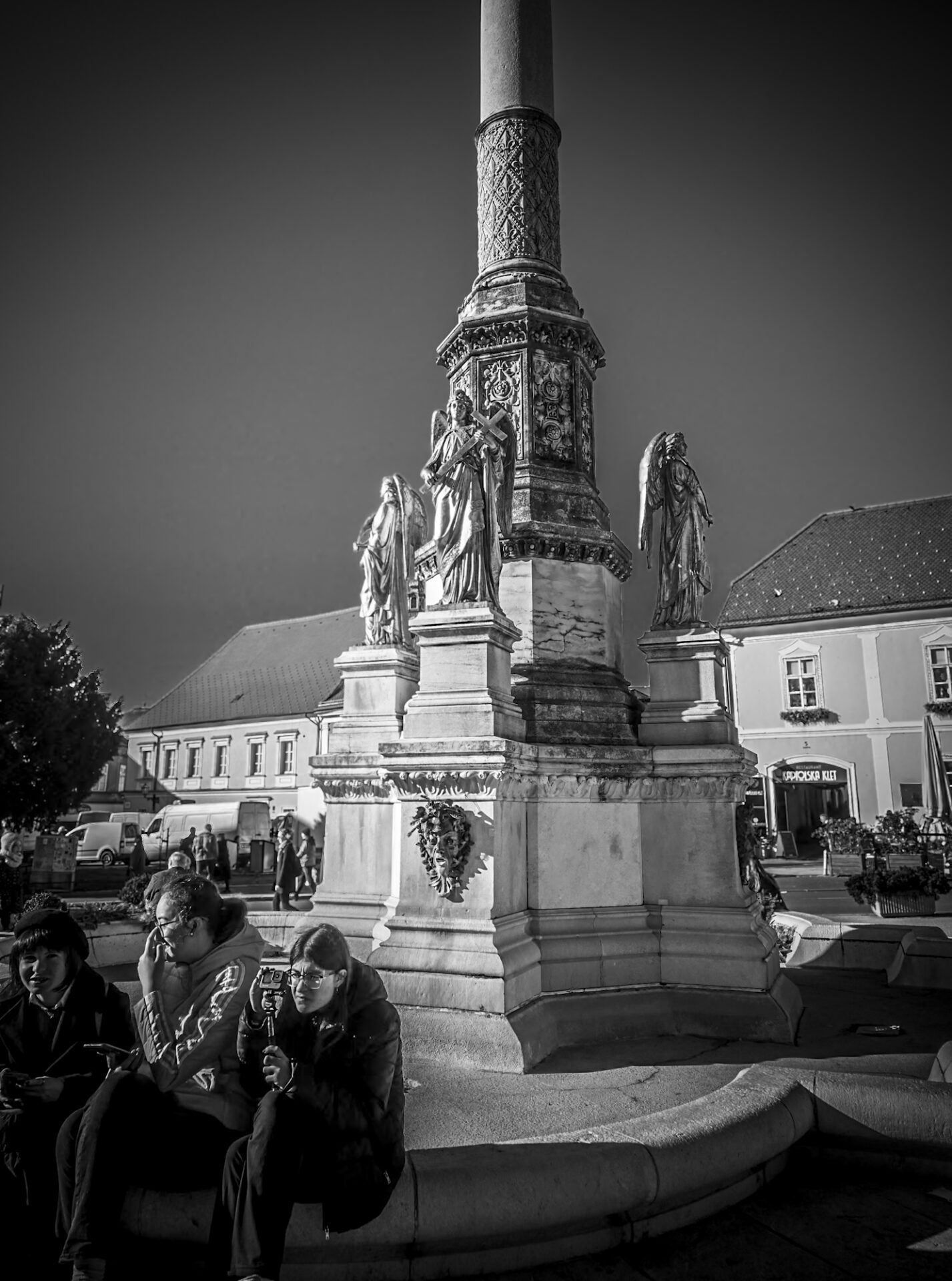
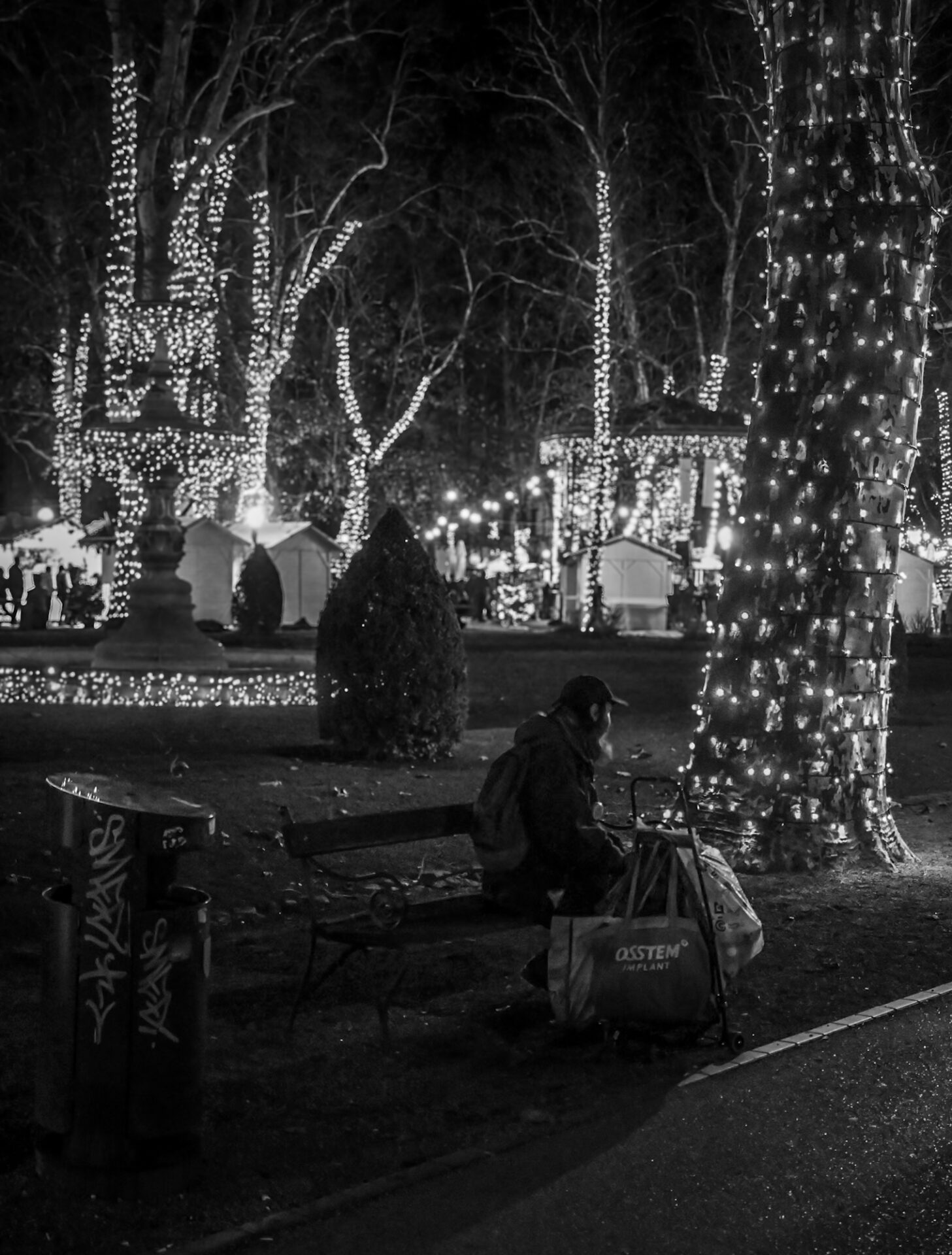
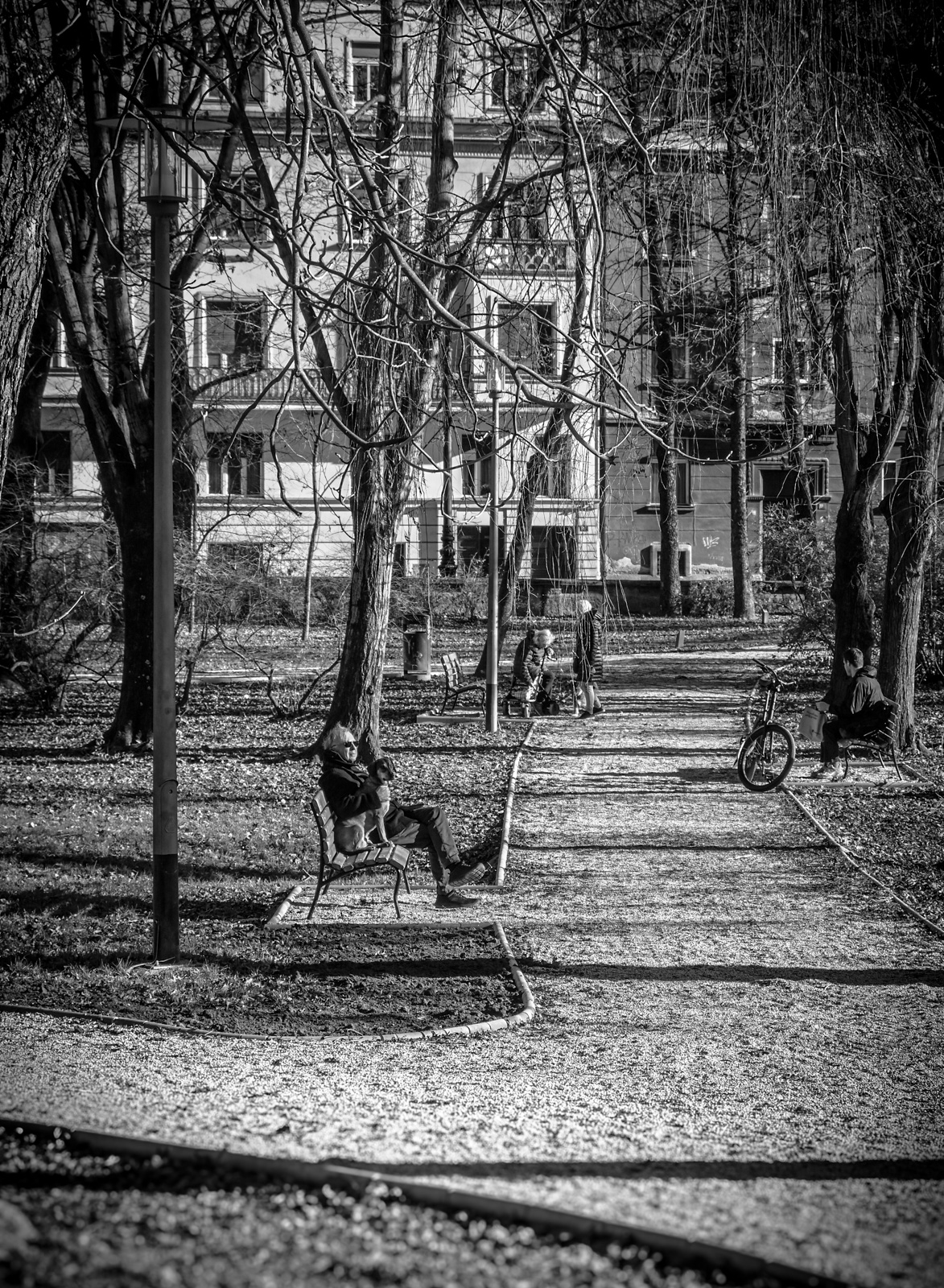
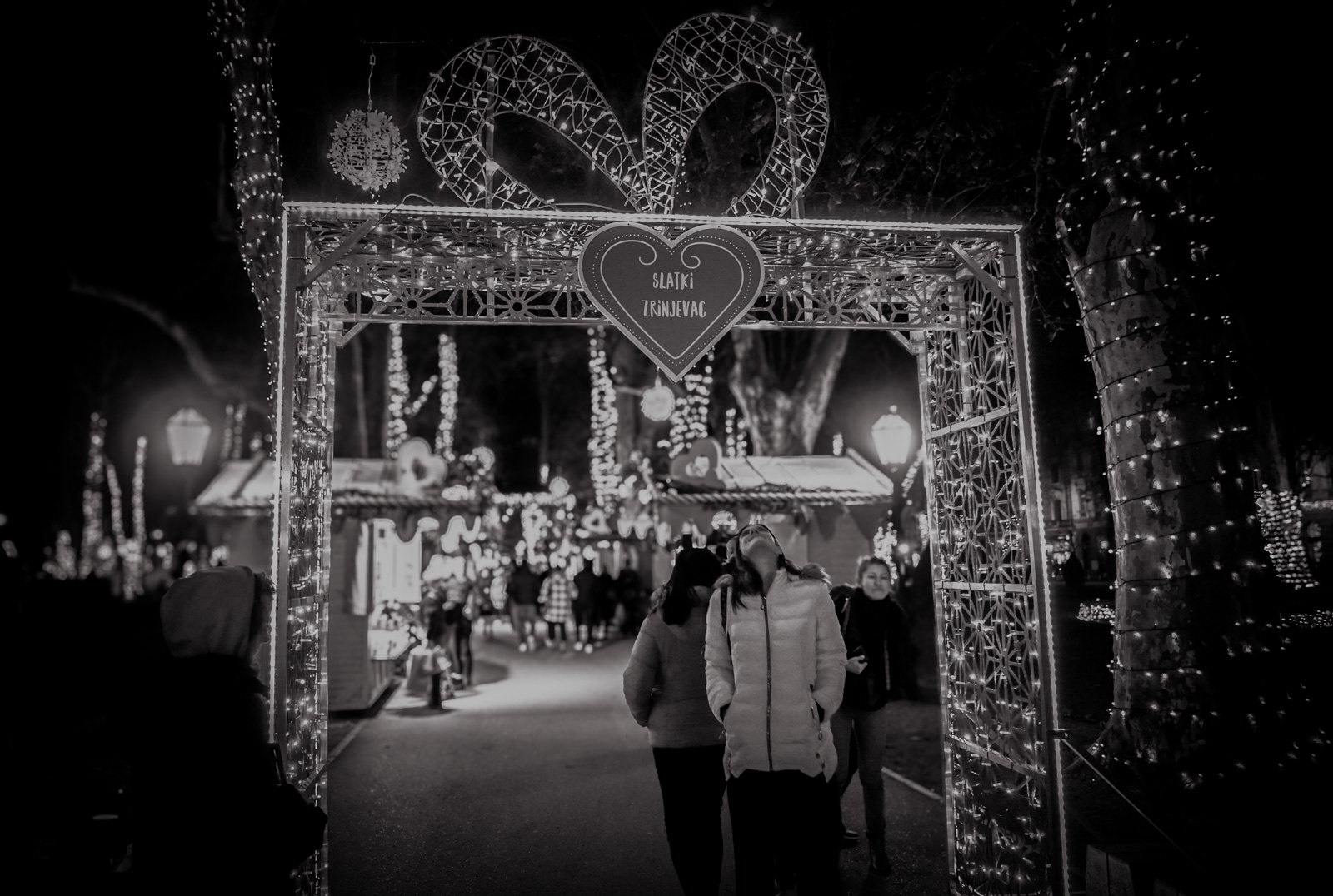
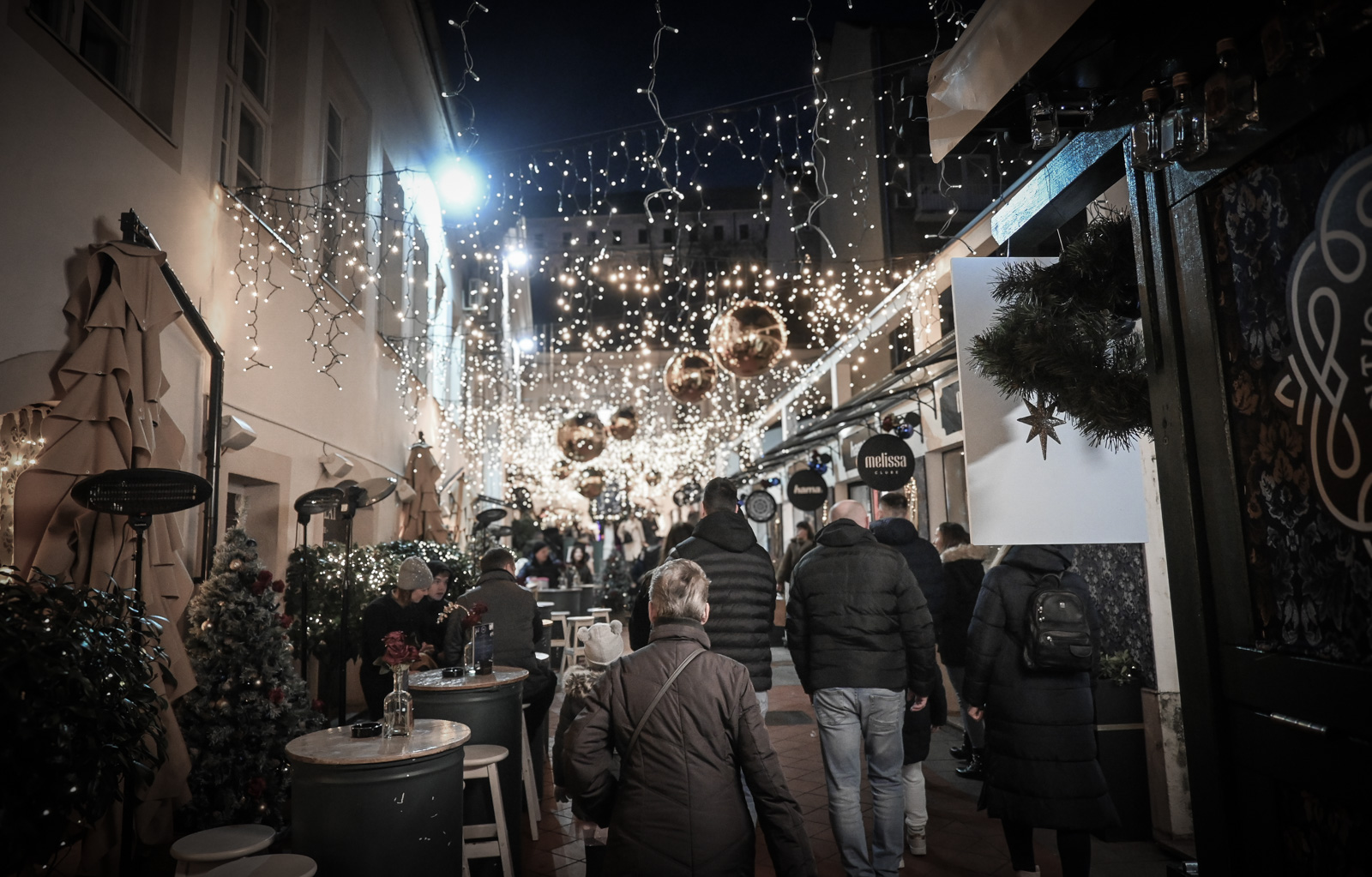
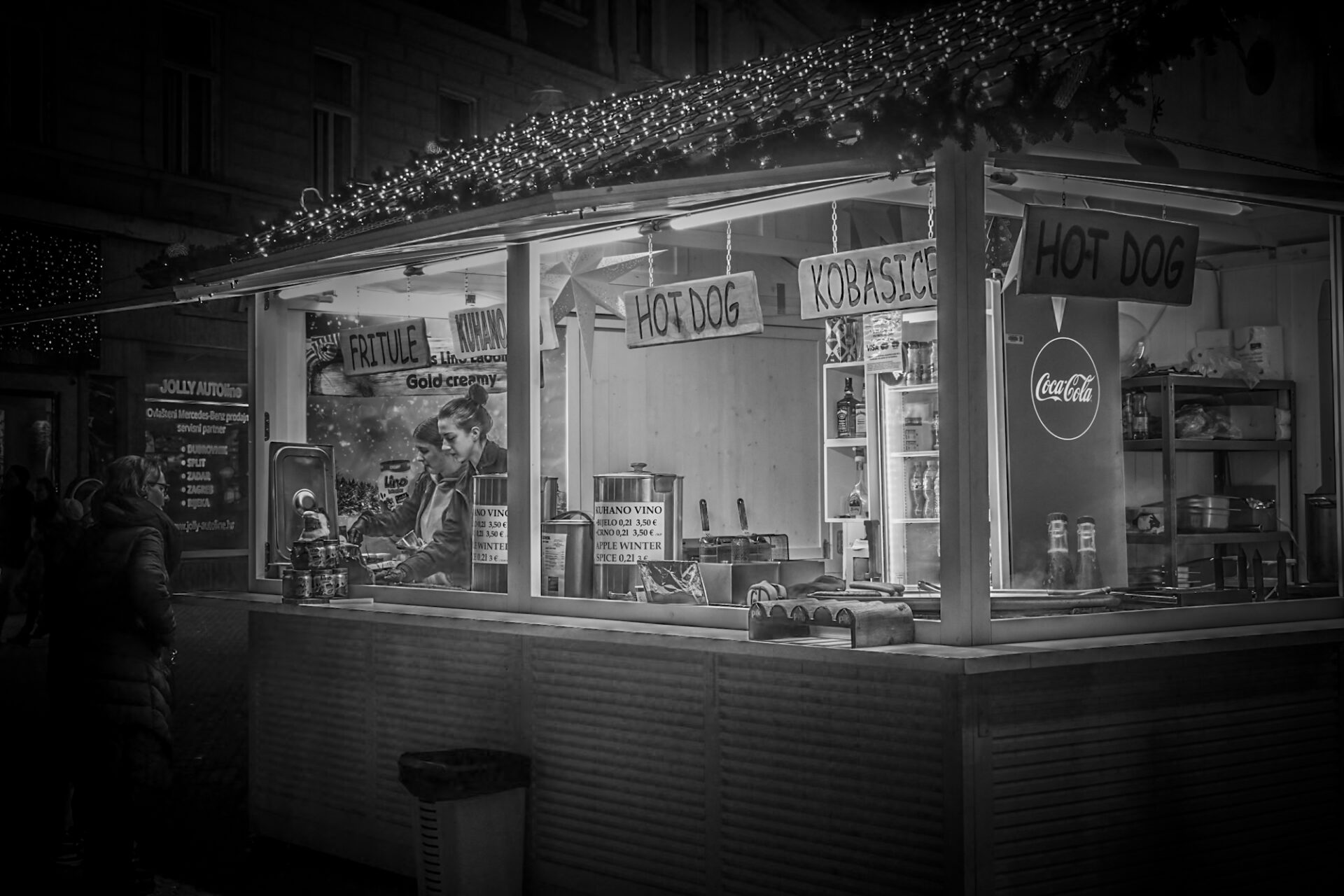
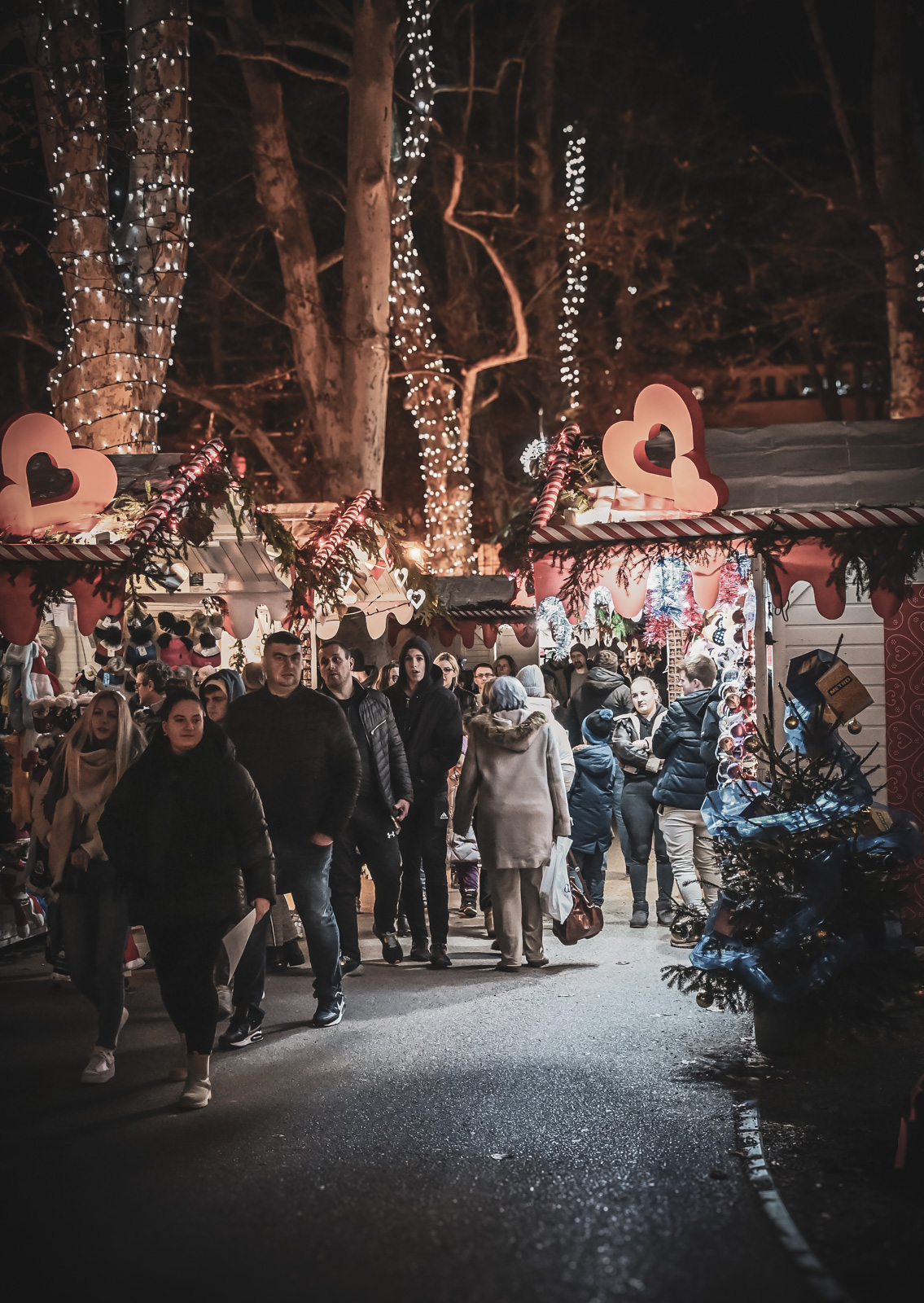
Yet, Zagreb is more than just an archive of times gone by. In the bustling streets and lively squares, the present reveals itself in its dynamic splendor. Here, people of different stories and backgrounds intersect, intertwining their fates and collectively penning a new chapter in the city’s book.
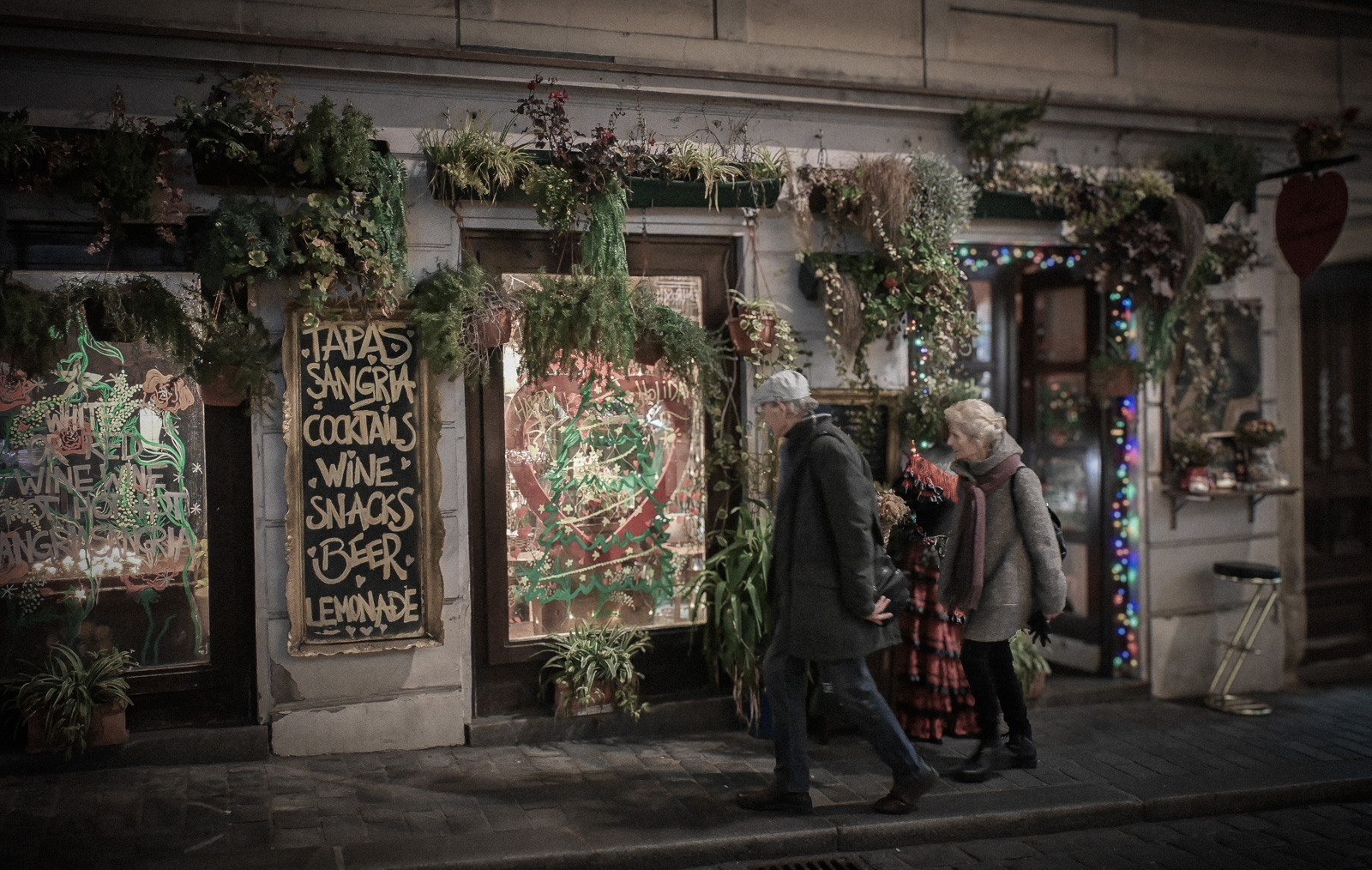
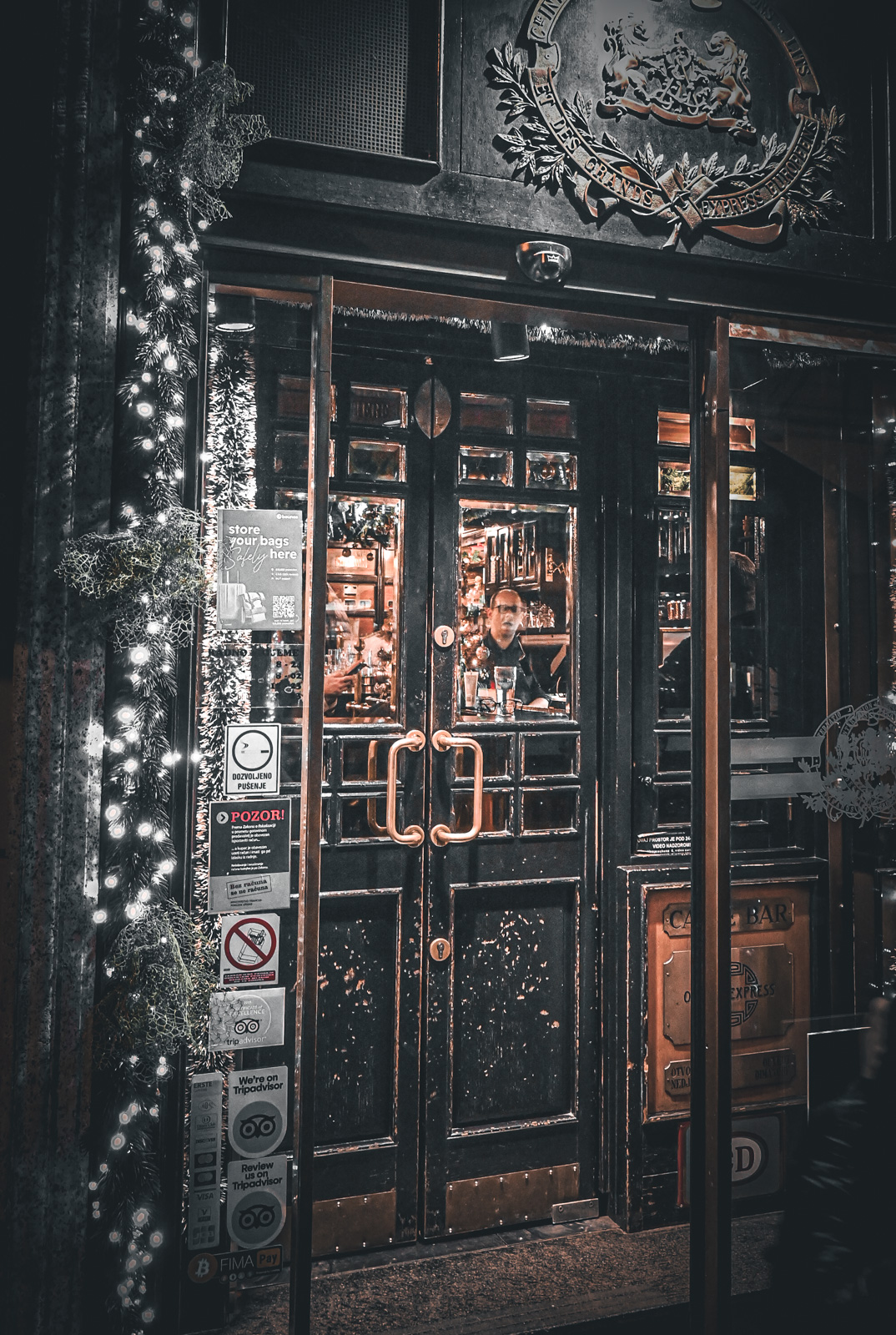
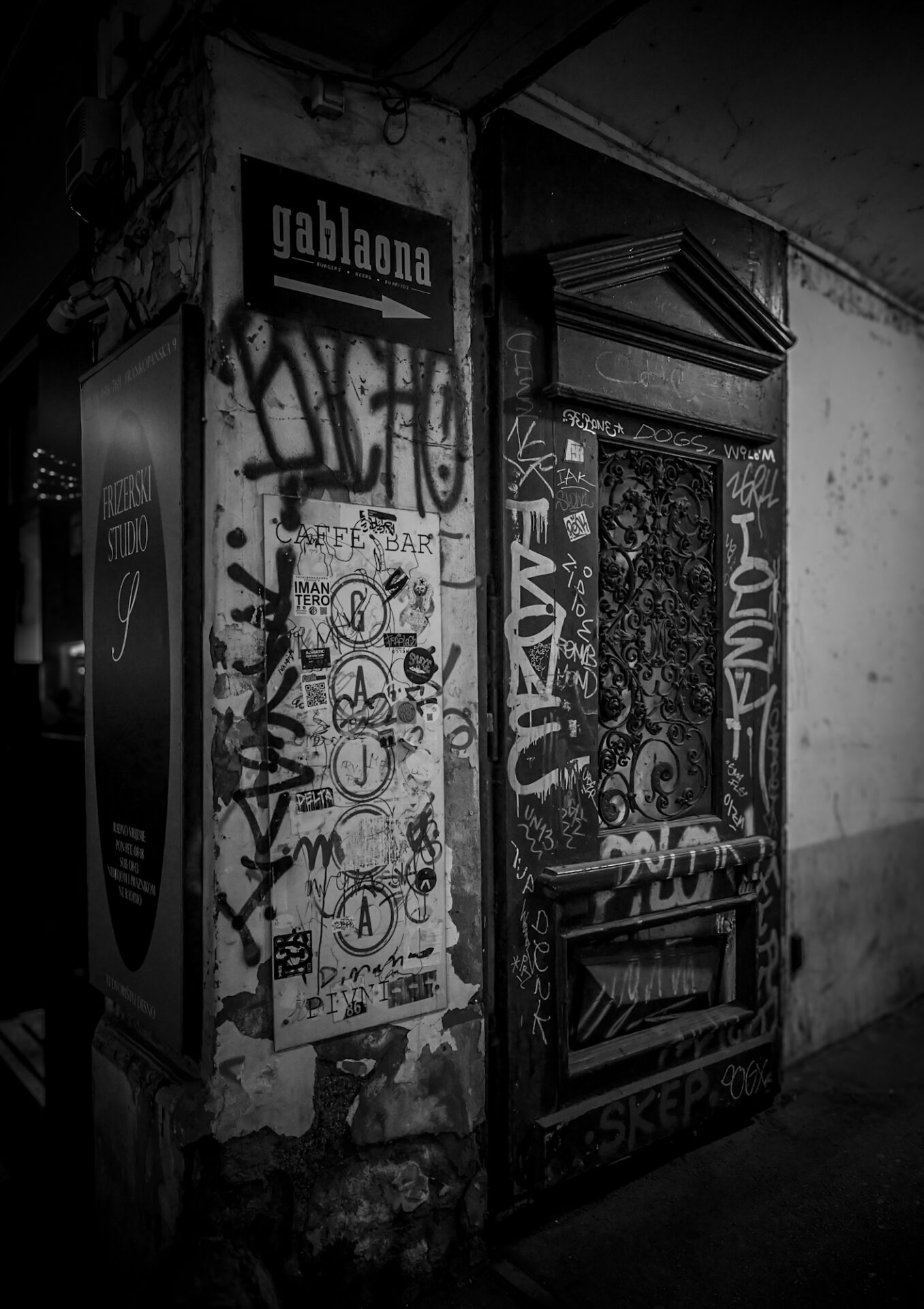
The cafes and art galleries adorning the cityscape are not just places of enjoyment but also sacred temples of intellectual exchange. In the conversations of the residents, a profound love for culture and freedom of thought echoes. Zagreb thus becomes a space where ideas can blossom and unfold.
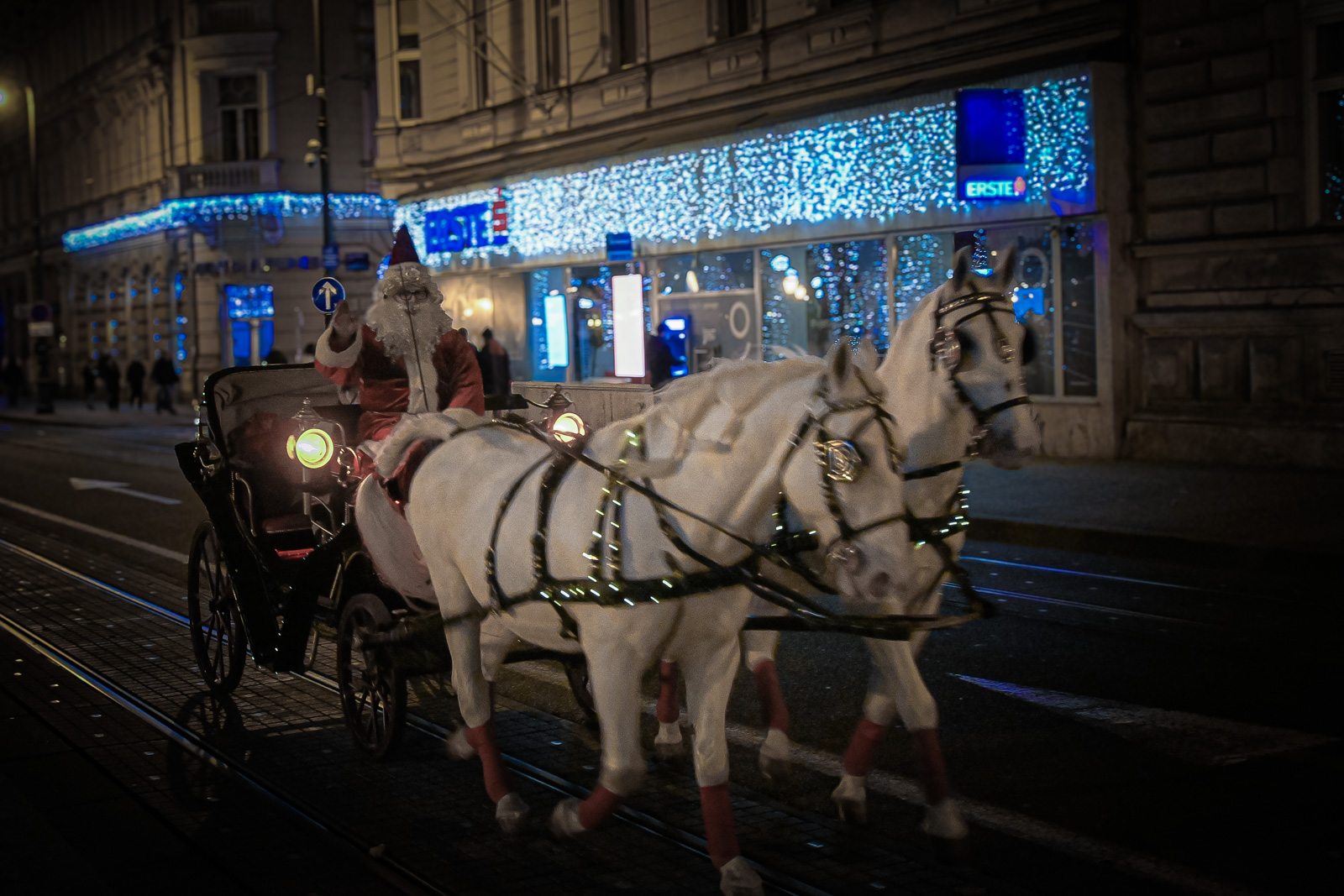
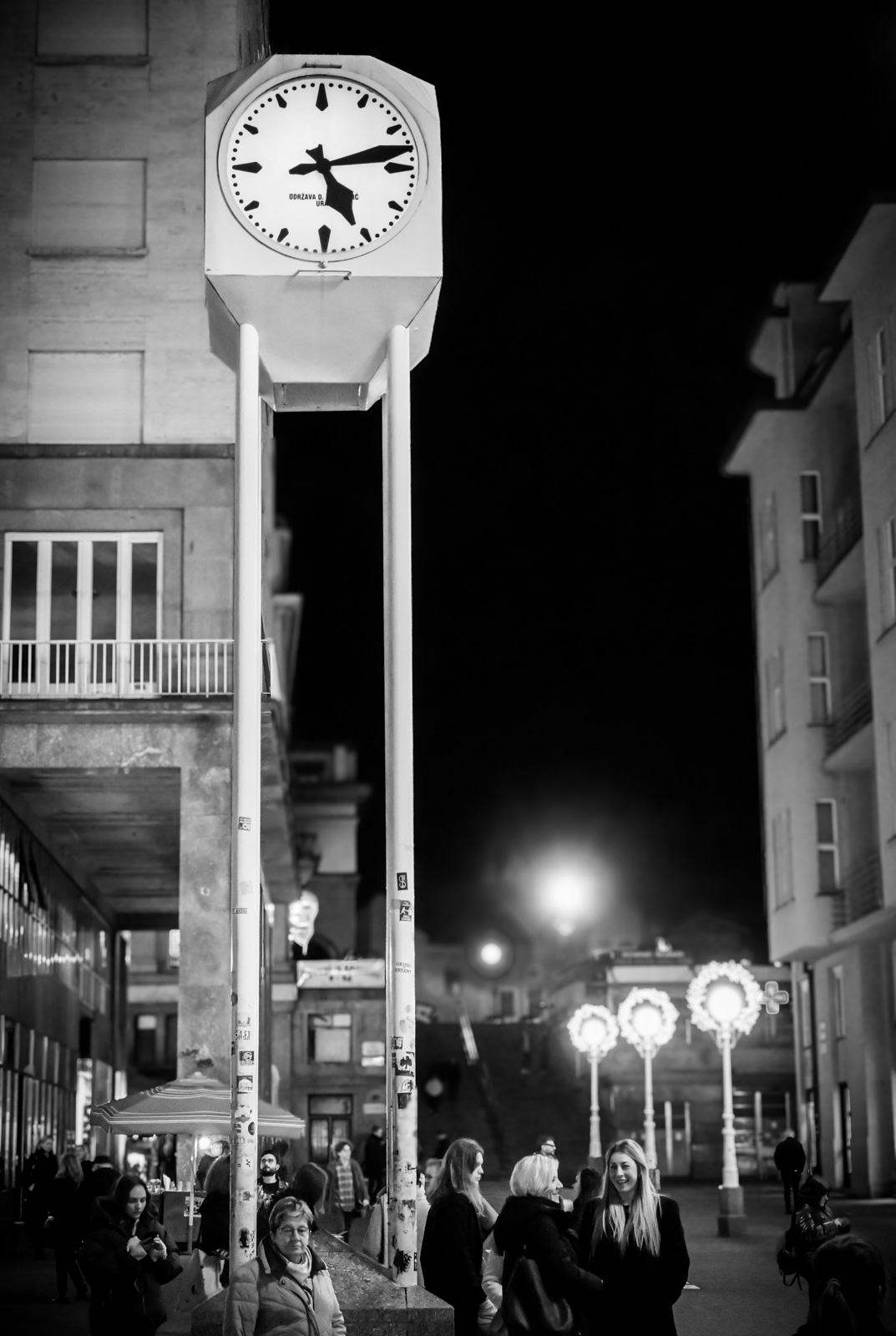
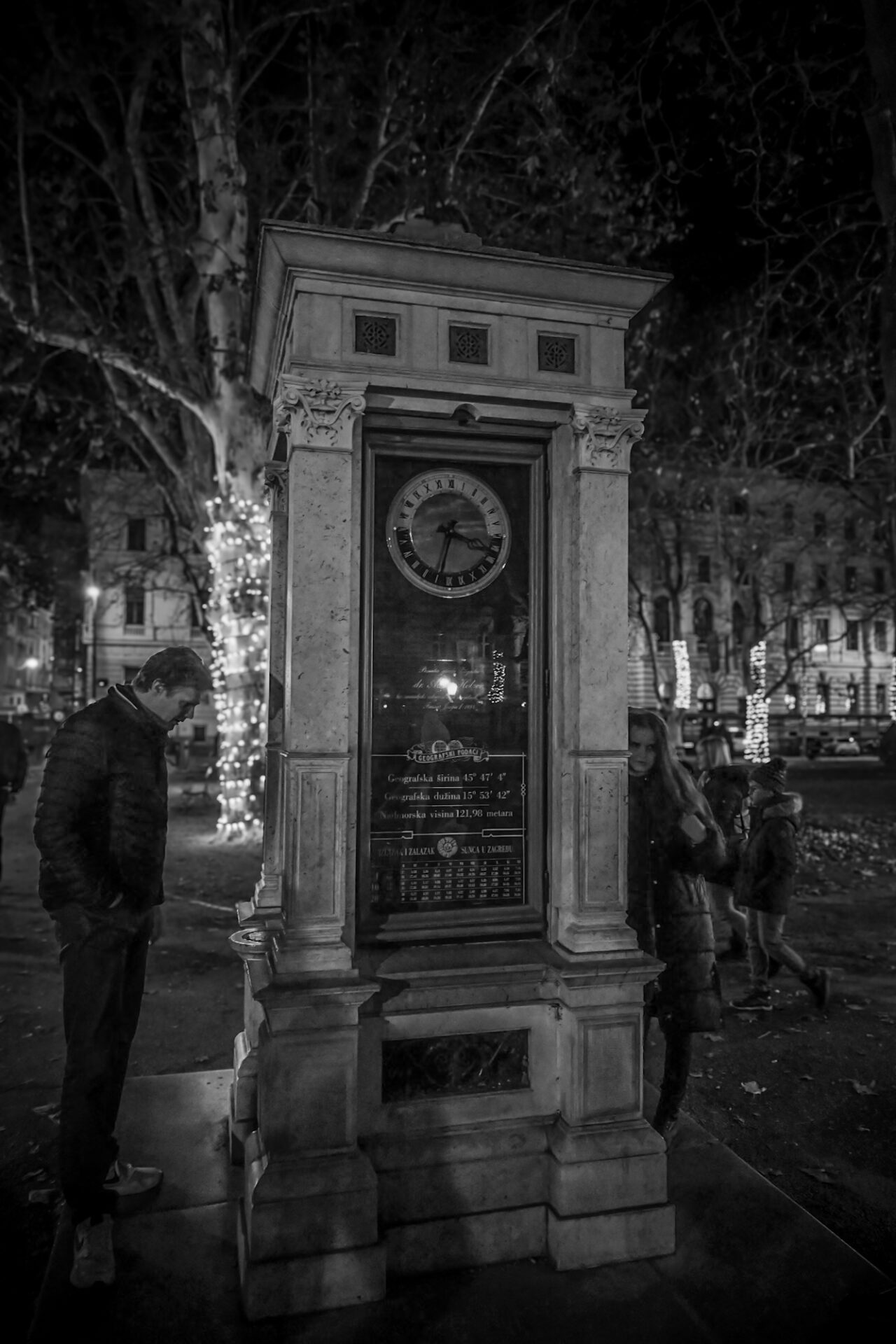
In this city, time becomes an abstract concept. Past, present, and future blend in a timeless dance. The clocks may tick, but Zagreb’s essence lies in the fleetingness of the moment when sunlight bathes the rooftops, casting the city in a golden glow.
Zagreb is a philosophical reflection on the constancy of change and the continuity of humanity. Here, transience becomes an artistic expression, and the streets become metaphysical paths where every step is a journey through space and time.
This city is not merely a geographical location; it is an idea, an inspiration, a living poem. Zagreb opens the gates of perception, inviting us not only to see the stones and structures but also the invisible threads connecting people with each other and with their history. In this urban symphony, we find not just a city but a mirror of the human soul.