









































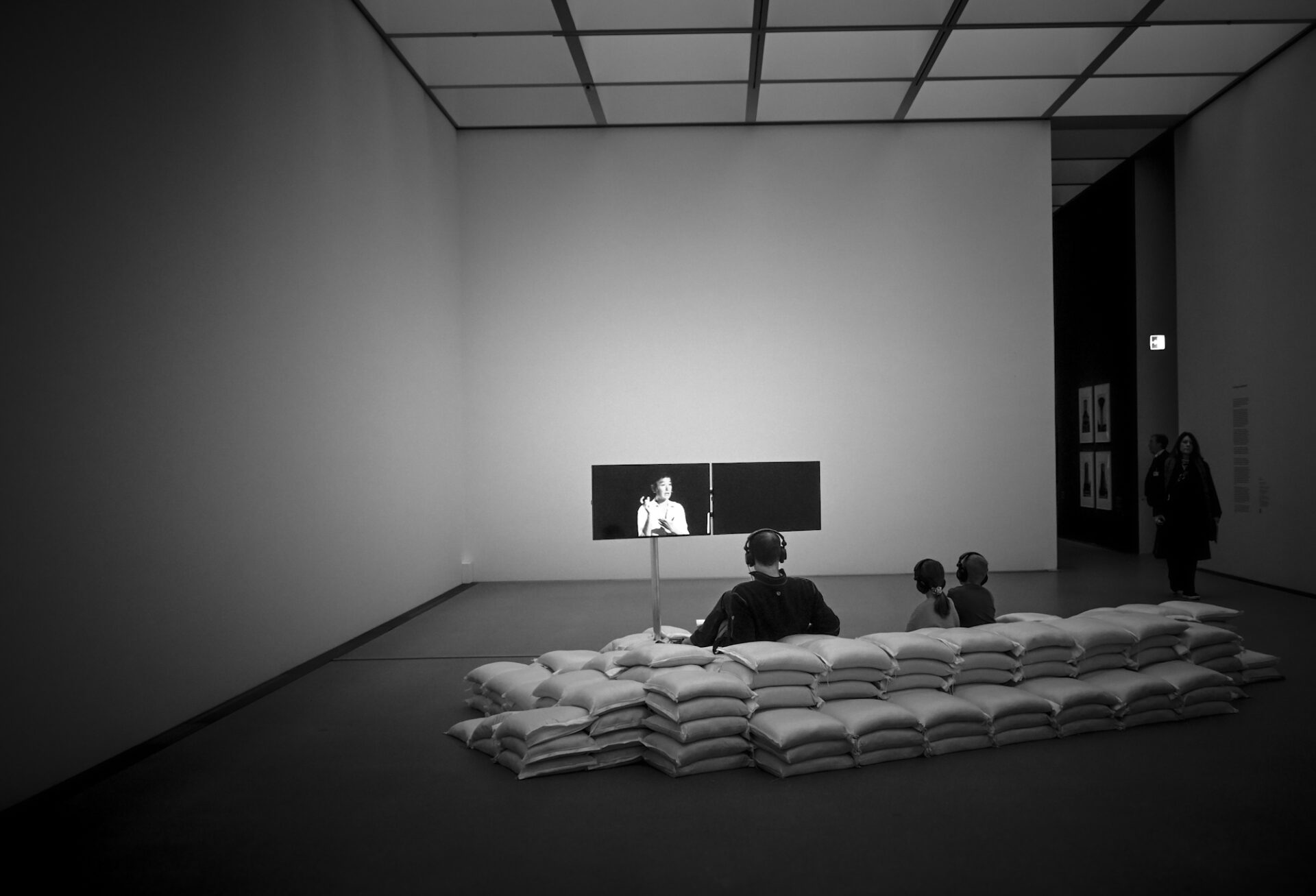




















The diverse interpretation of things by individuals stems from a myriad of factors. Personal experiences play a central role, as individual life stories and events shape one’s worldview. Cultural background also significantly influences perception, given the existence of distinct values and beliefs across different cultures.
Personality traits, such as extraversion or introversion, along with emotions, play a pivotal role. Optimistic individuals tend to interpret events more positively than their pessimistic counterparts. Education and knowledge influence the ability to comprehend and interpret information.
Beyond these factors, the inherent subjectivity of human perception plays a significant role in the varied interpretation of things. Each person possesses a unique set of cognitive filters through which they process information. These filters are shaped not only by external influences such as culture and experience but also by internal cognitive processes.
Cognitive biases, which are systematic patterns of deviation from norm or rationality in judgment, can color the way individuals interpret information. Confirmation bias, for instance, leads people to favor information that confirms their preexisting beliefs, while the anchoring bias causes individuals to rely too heavily on the first piece of information encountered.
Furthermore, the dynamic nature of emotions introduces an additional layer of complexity. An individual’s emotional state at the time of encountering information can significantly impact their interpretation. Joy, sadness, fear, or anger can act as lenses through which events are filtered, altering the perceived significance of various elements.
Language, being a tool for communication and expression, also contributes to the diversity of interpretation. The nuances and connotations of words may differ among individuals, leading to varied understanding and interpretation of the same message.
In essence, the intricate interplay of external influences, internal cognitive processes, emotional states, and linguistic nuances results in the kaleidoscopic array of interpretations seen among individuals. Embracing this diversity and understanding the multifaceted nature of perception can foster richer dialogue, deeper empathy, and a more nuanced appreciation of the complexity inherent in the human experience.