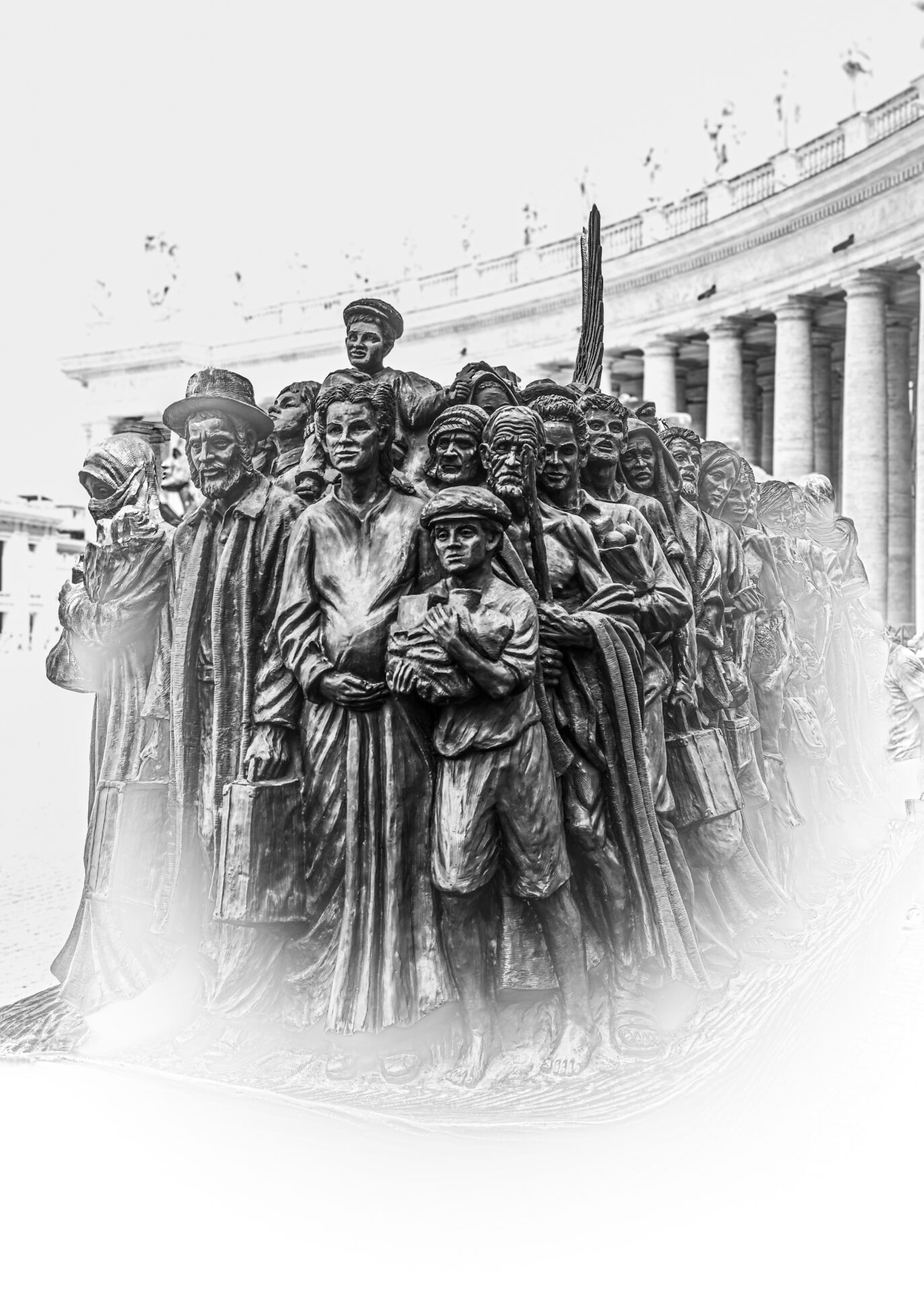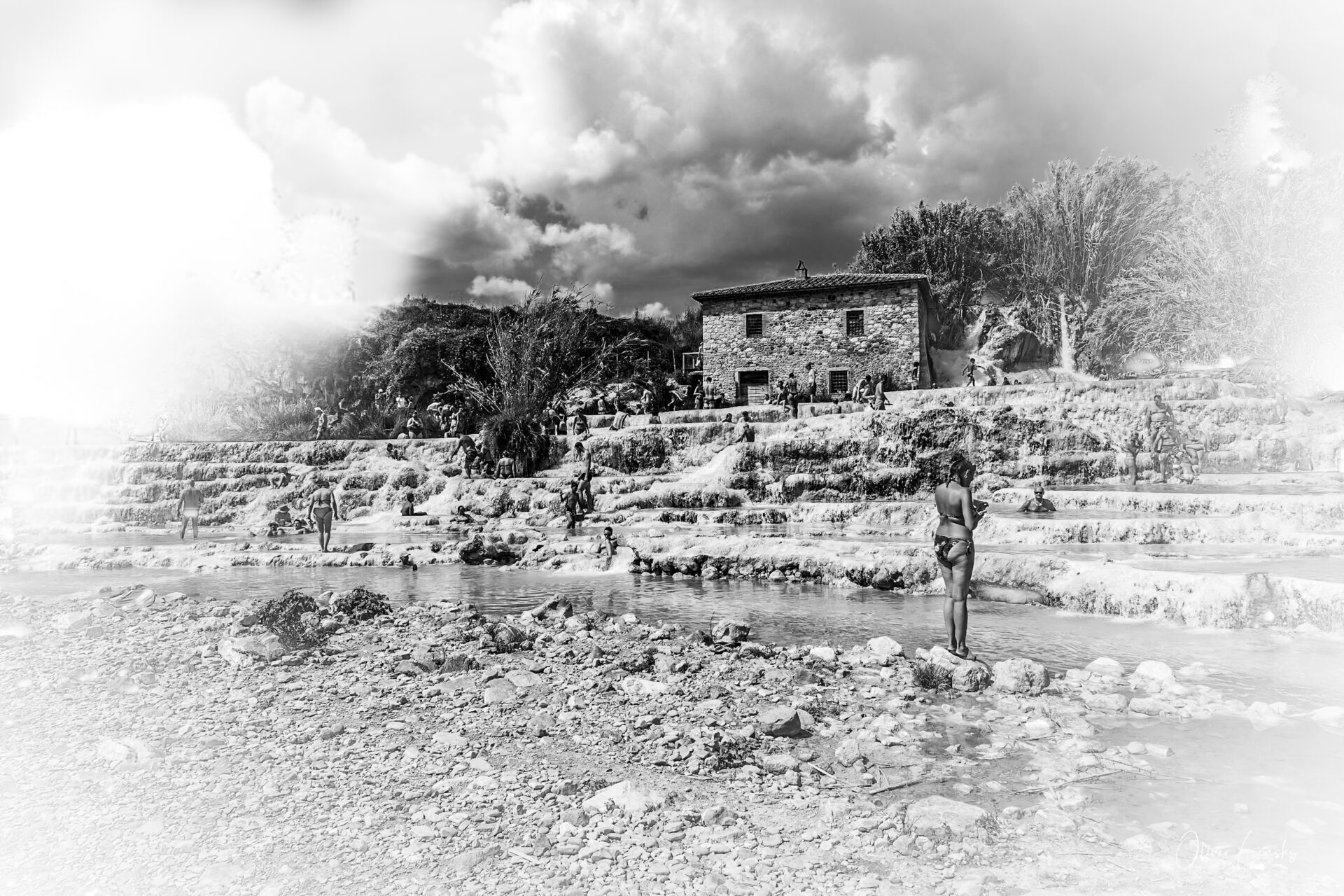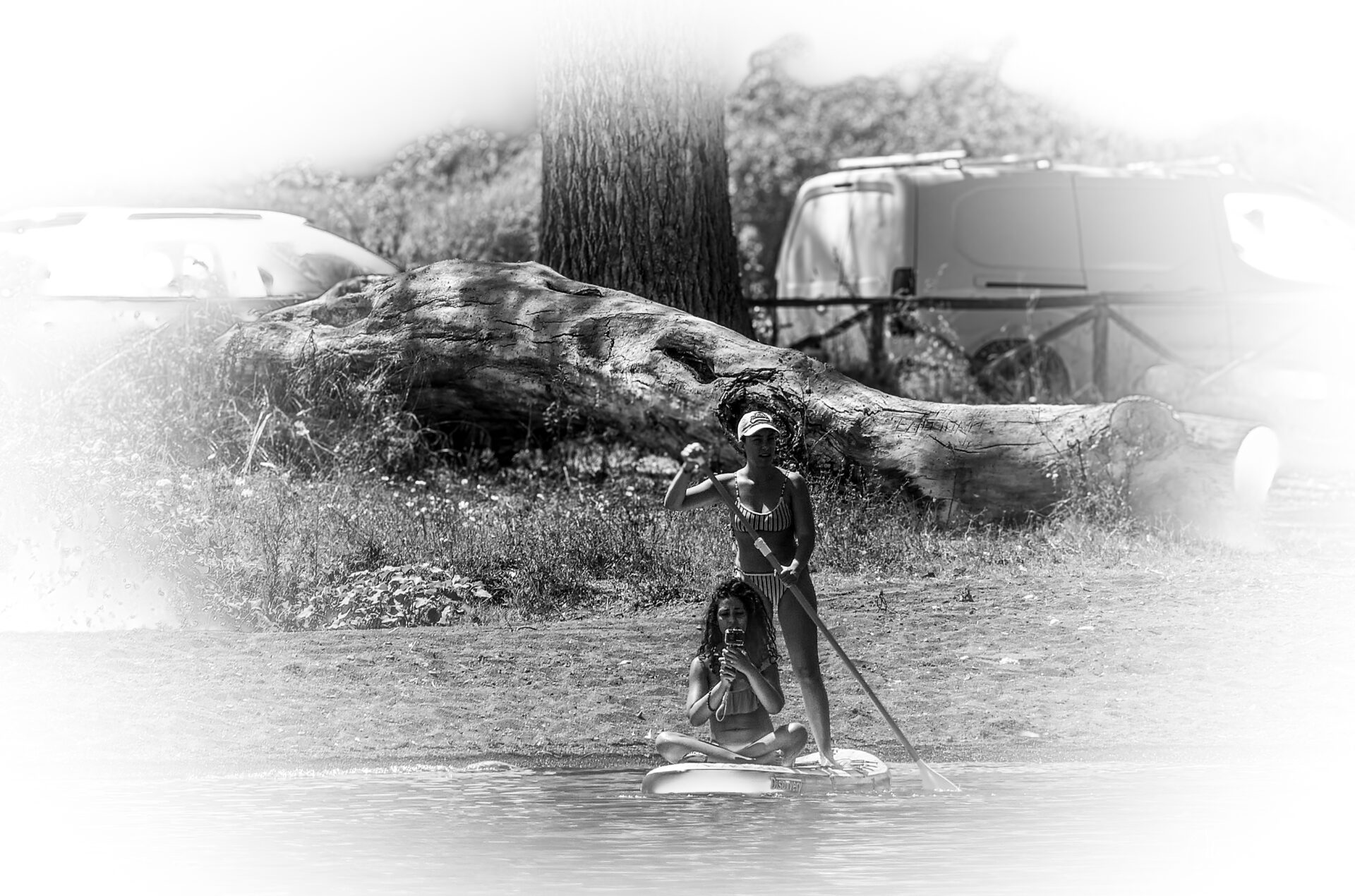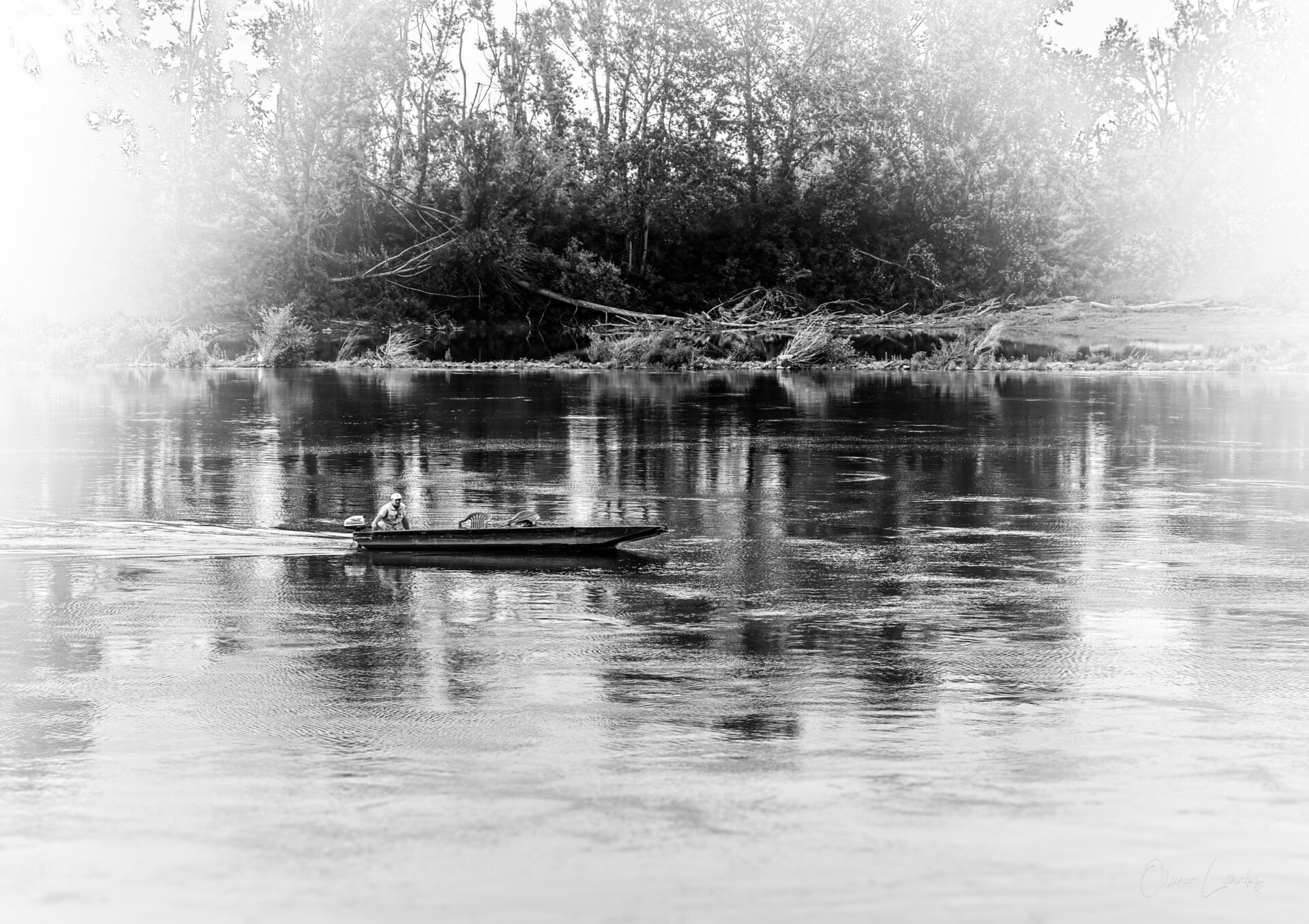





The boy who could only see black and white
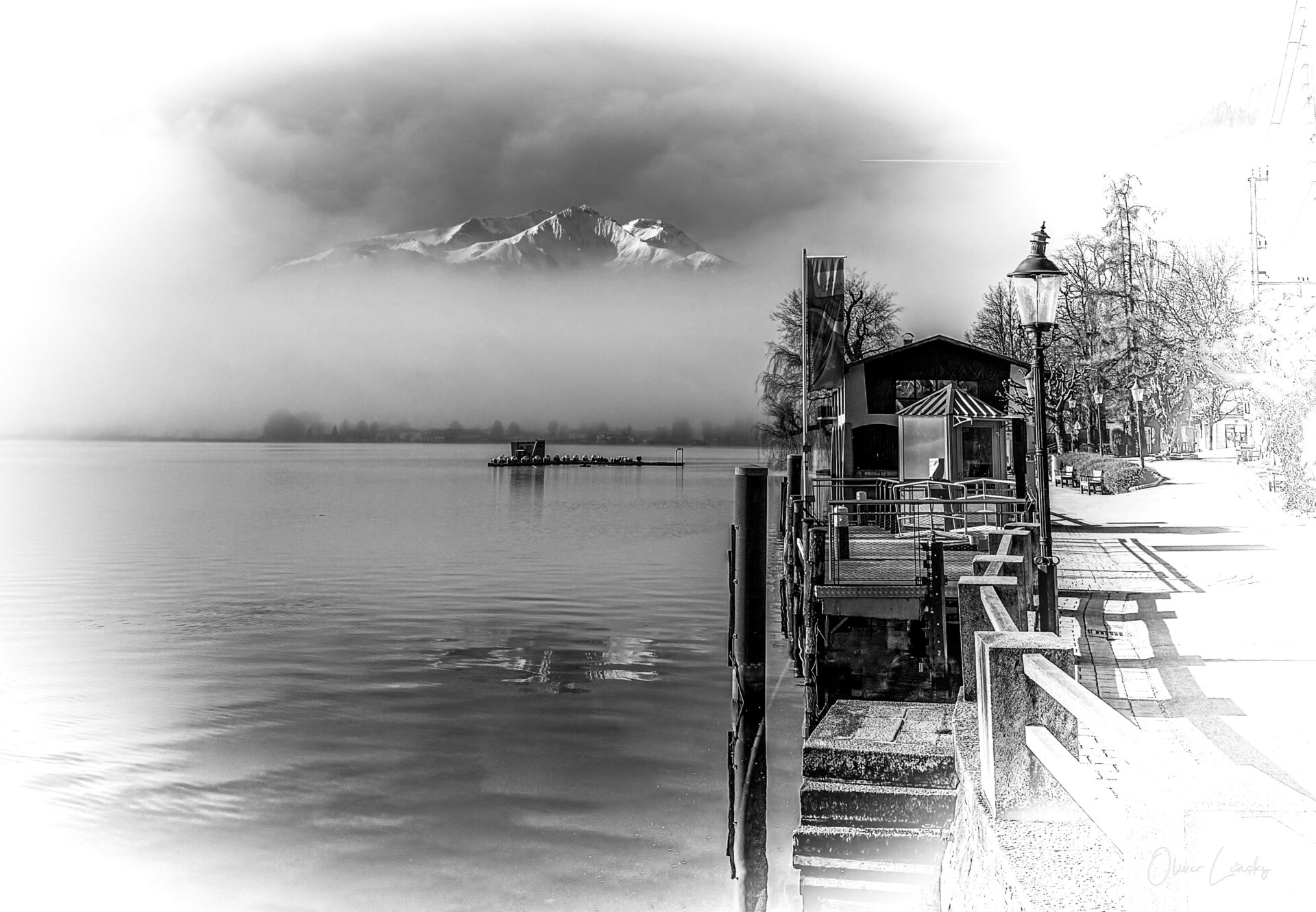
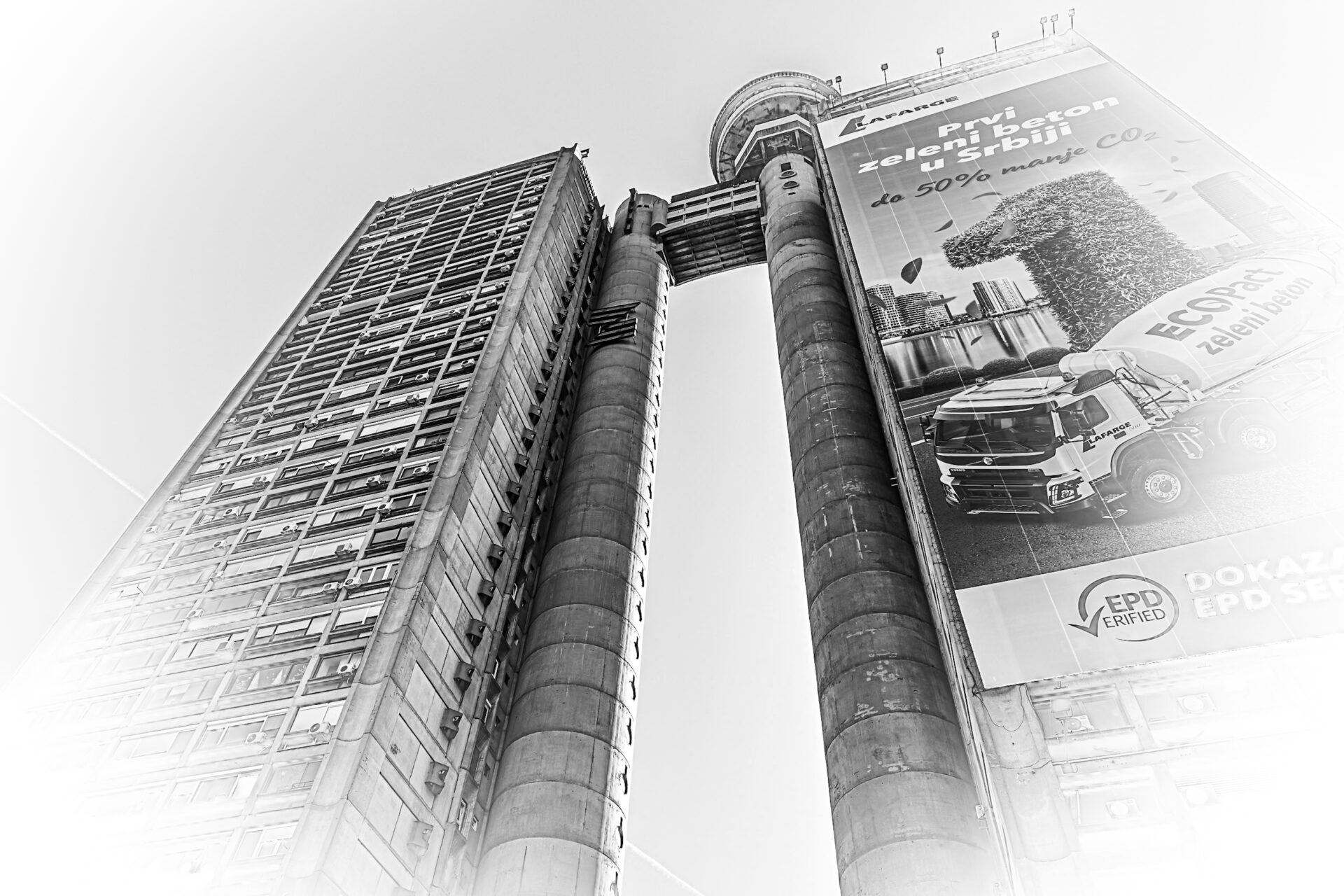
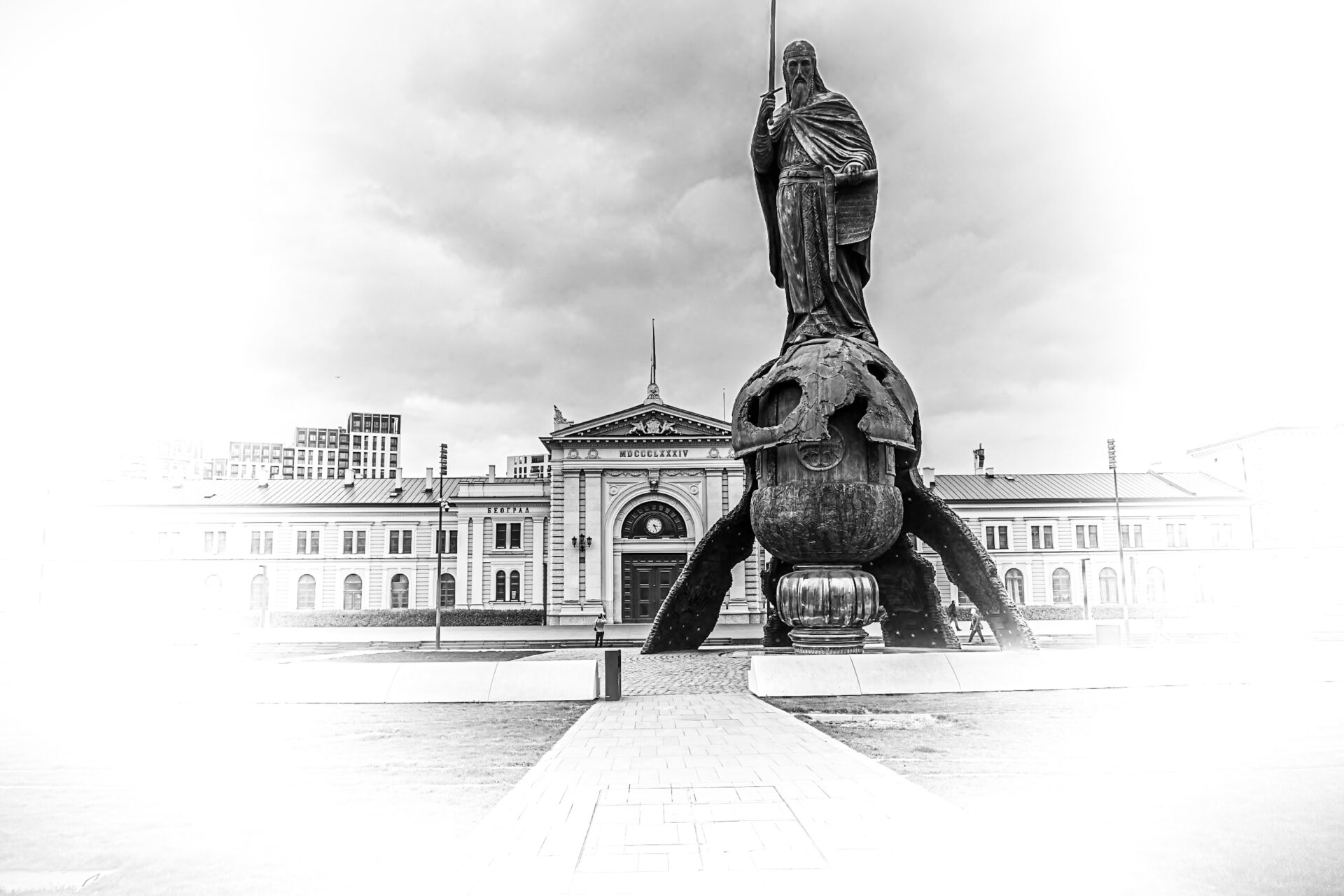
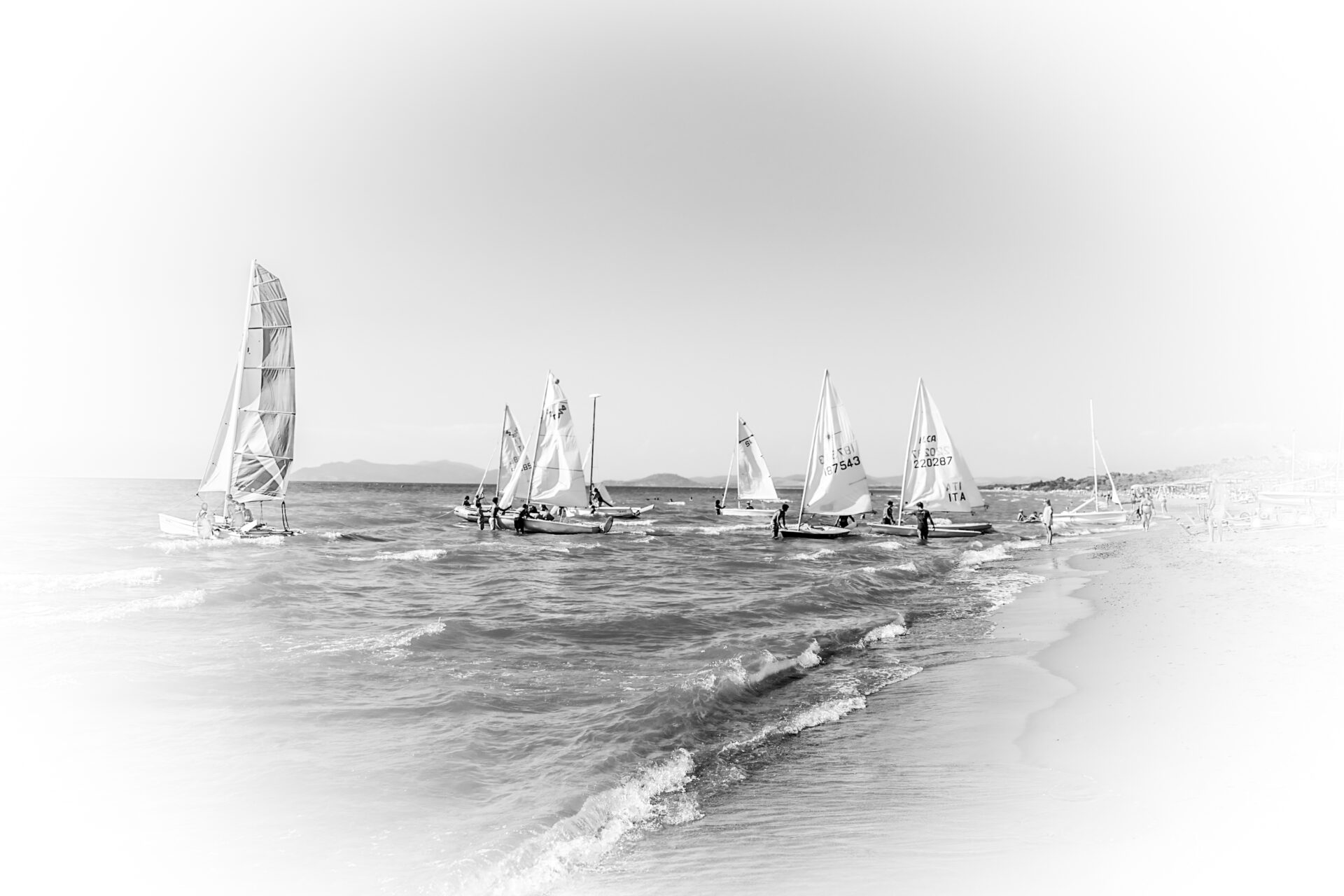
The boy saw the world only in black and white. A bright glow surrounded everything, like a vignette of blinding light that framed the image but hid nothing. Colors were stories that others told, stories he couldn’t understand. His parents had taken him to many doctors, had led him by the hand through endless waiting rooms, across airports and train stations. They had hoped, traveling from one country to the next, always believing someone would know the answer. But no one did.
The doctors shook their heads, looked at him as if he were a puzzle that couldn’t be solved. They didn’t care about him, he could tell. They looked at him as if he were an incomplete painting, a sketch that someone had forgotten to finish. To them, he was just another case. To his parents, he was everything.
„Black and white creates a strange dreamscape that color never can.„
– Jack Antonoff
“One day,” his mother often said as she tucked him into bed and stroked his hair, “one day you’ll see colors. We’ll find someone who can help you.”
The boy nodded, but he didn’t believe it. He saw the world as he saw it: in stark contrasts, in light and dark, black and white, without the shades in between that people talked about.
He had seen the sea, stretching to the horizon, waves moving in an endless dance, white foam breaking on black water. He had seen boats, drifting like shadows, sails like wings straining in the wind. Once he had been in the mountains, so high that the air was thin and cold. The peaks jutted into the sky, snow-capped summits like the faces of old men, weathered and wise, staring at him as if they wanted to share a secret.

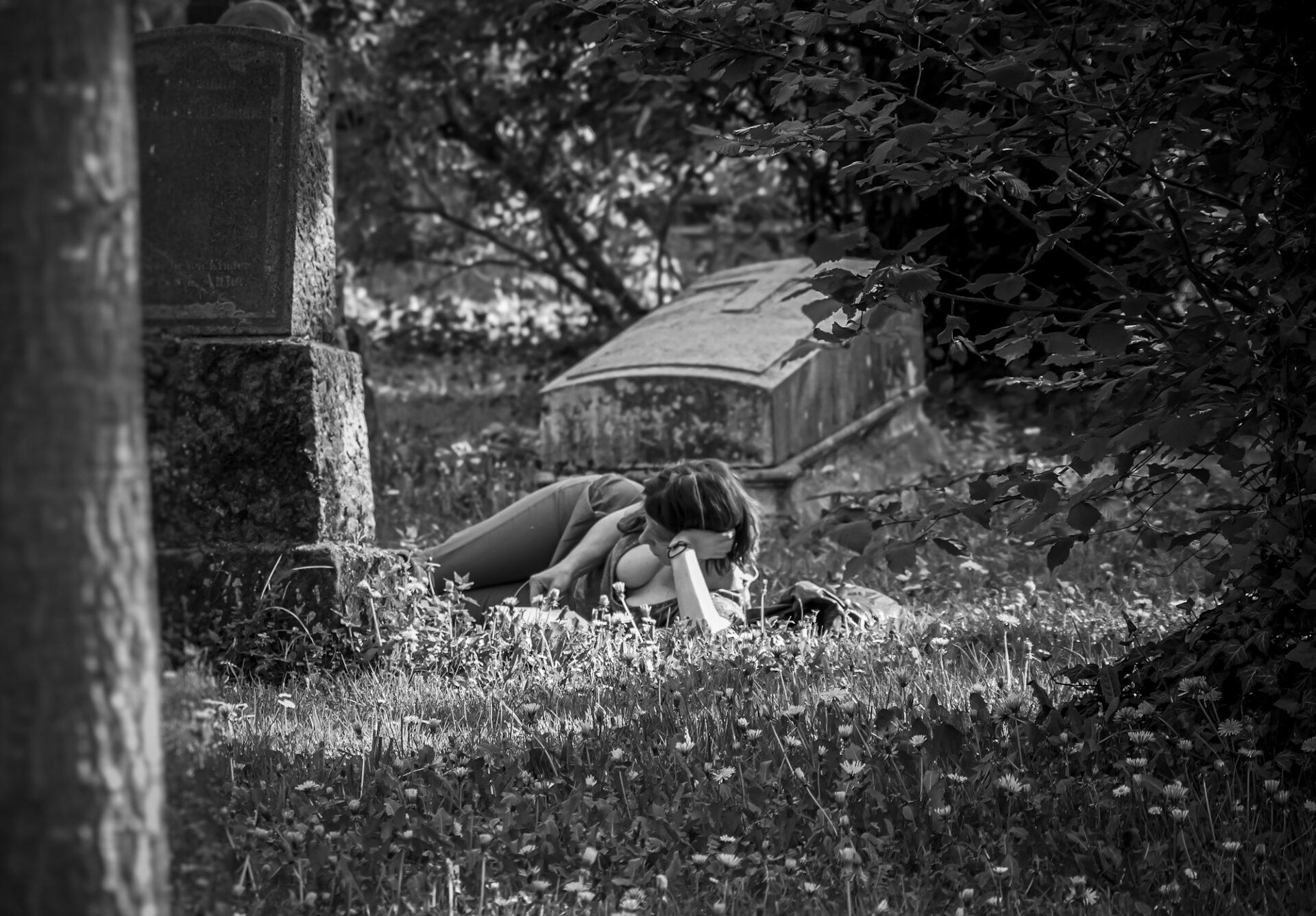
He had seen trains that cut through the landscapes, endless and smoking, as if trying to capture the world in their black-and-white view. He had attended weddings, joyful people dancing and laughing, and funerals, where the faces were stiff and still, carved in marble. He had seen many places, many people, many moments, but they were all the same. Gray. Light and shadow. No colors.
His deepest wish was to see in color. Sometimes, when he was alone, he would close his eyes and try to imagine how it must feel if the world lit up in all the hues people spoke of. He heard of blue and red, of yellow and green. He couldn’t grasp them. They were words without meaning, like the wind rushing through the trees and then disappearing again.


Once, when they were in a small town in another country, his father took him to see a painter. The painter sat in a small room that smelled of paint and turpentine. The canvas before him was full of colors, like an explosion frozen in time. The boy stood there and watched the brushstrokes, saw how the light shimmered on the canvas, yet all he saw was black and white. The painter looked at him, his eyes dark, like the depths of a well. “You are a lucky child,” the painter said, “you see the world as it truly is.”
„ He opened his eyes again and saw the world as it was. And he knew that it would always be this way. But it was all right. Perhaps it was better this way. Maybe the black-and-white of the world was more honest than colors could ever be.“
The boy didn’t understand. He only knew that something was missing, that the world should be bigger, that it should stretch out in colors like the sky over the sea.
But the years passed, and nothing changed. His parents took him to doctors, always new ones, always with fresh hopes. But the world remained as it was, and the doctors had no answers. They looked at him, nodded and shook their heads, and then they left, and the world stayed black and white.
One day, when the boy had grown older, he sat at the edge of the sea. He looked out at the waves moving in the wind, an endless expanse of dark and light. The sun was setting, but for him, the sky remained a gray shimmer, the sea a dark shadow. He closed his eyes and tried to see the colors, but nothing came. Only darkness.
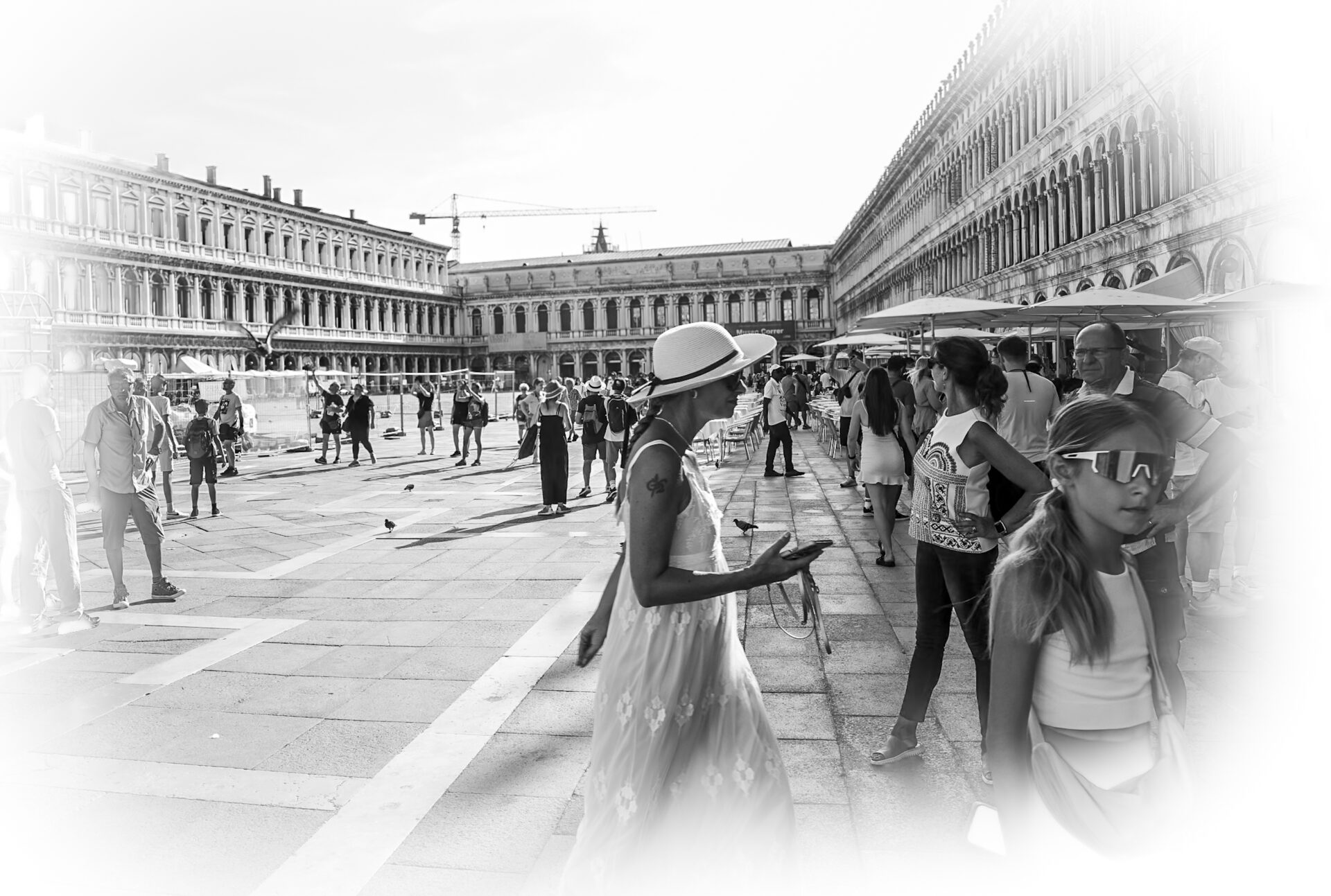
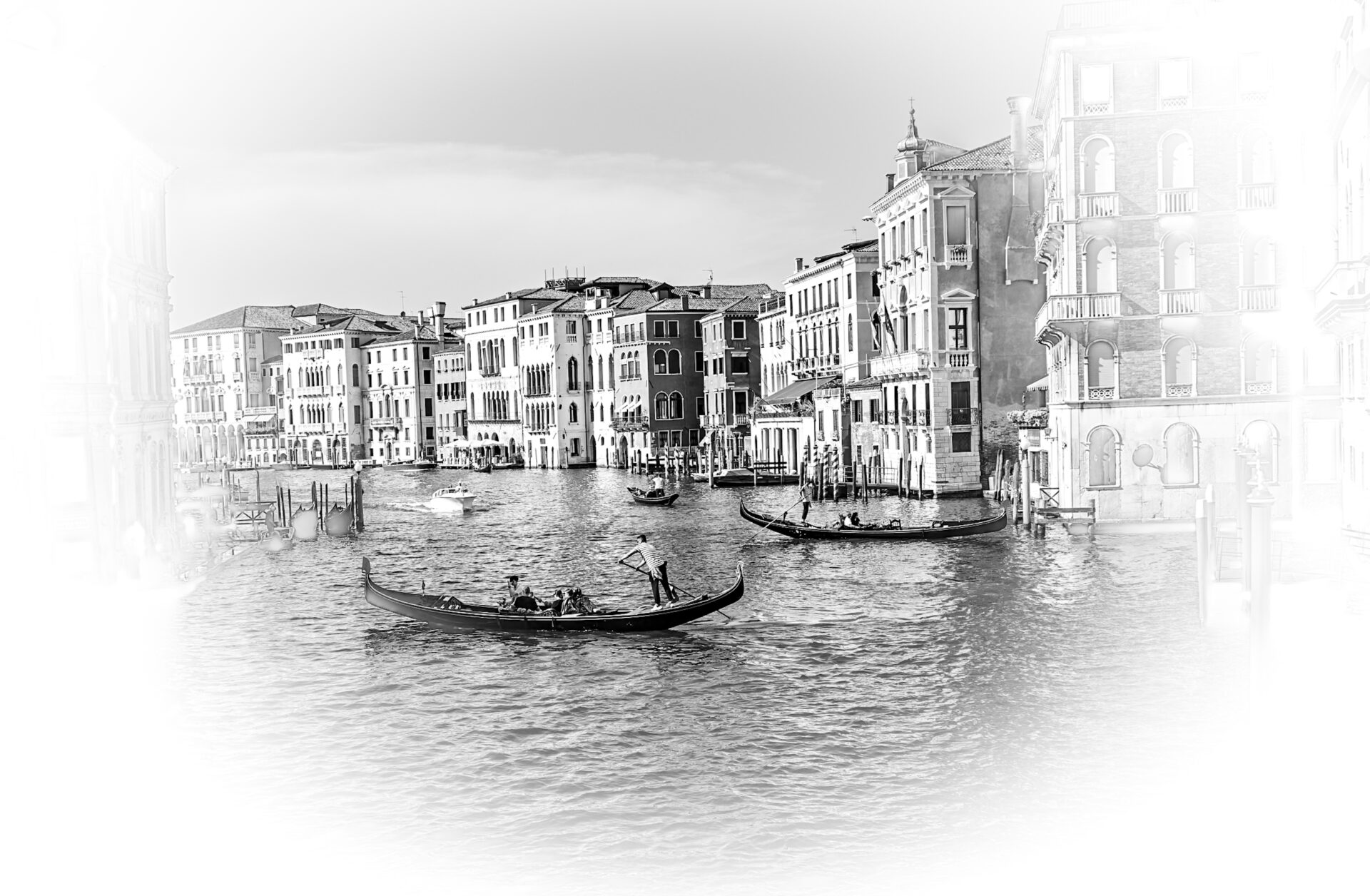
He opened his eyes again and saw the world as it was. And he knew that it would always be this way. But it was all right. Perhaps it was better this way. Maybe the black-and-white of the world was more honest than colors could ever be.
The boy stood up, feeling the wind on his face, hearing the sound of the sea. He walked along the beach, his footsteps leaving marks in the sand that the water would soon wash away. The world was quiet, and he was a part of that silence. There were no colors, only the brightness and the darkness, and that was enough.