









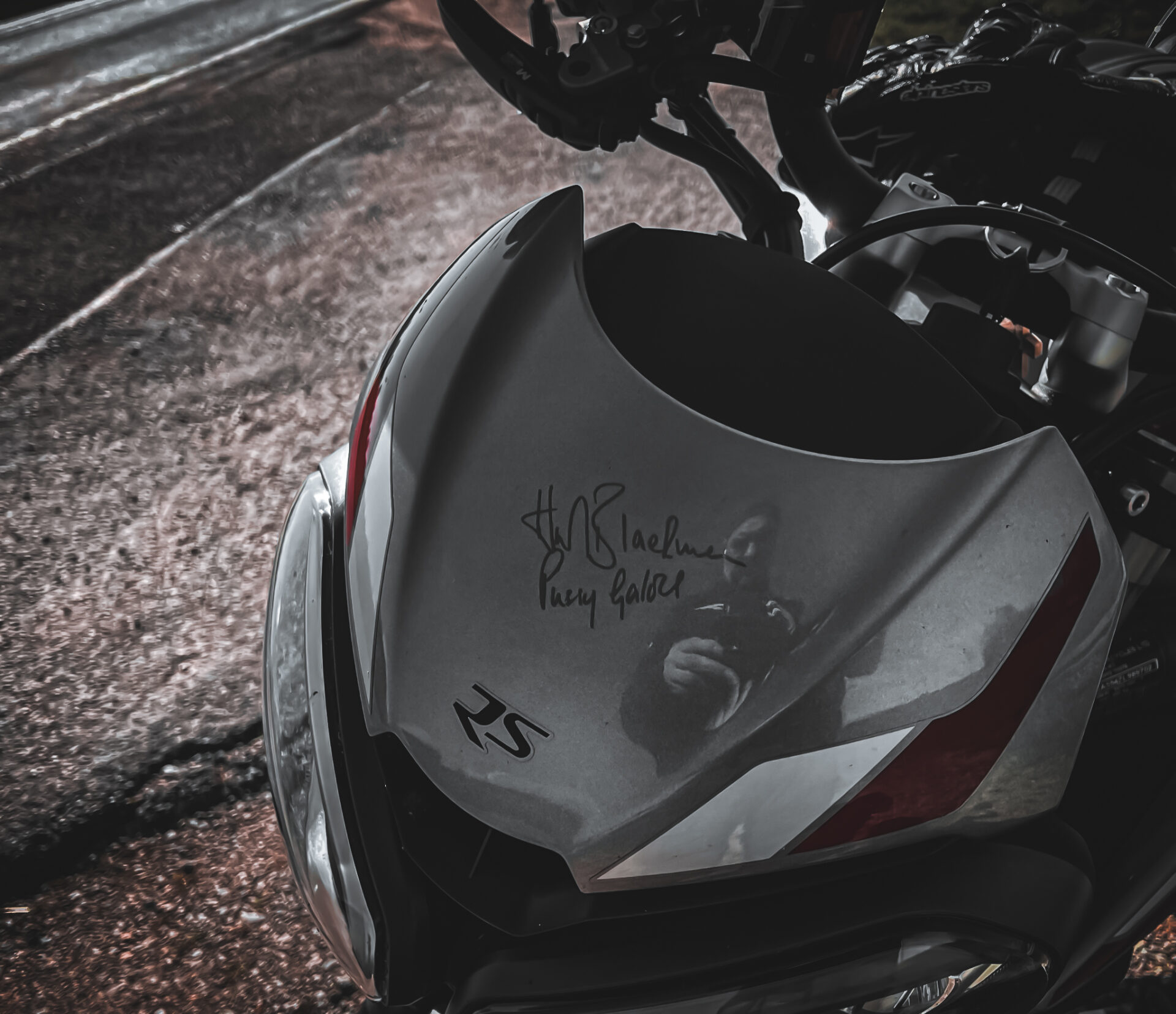










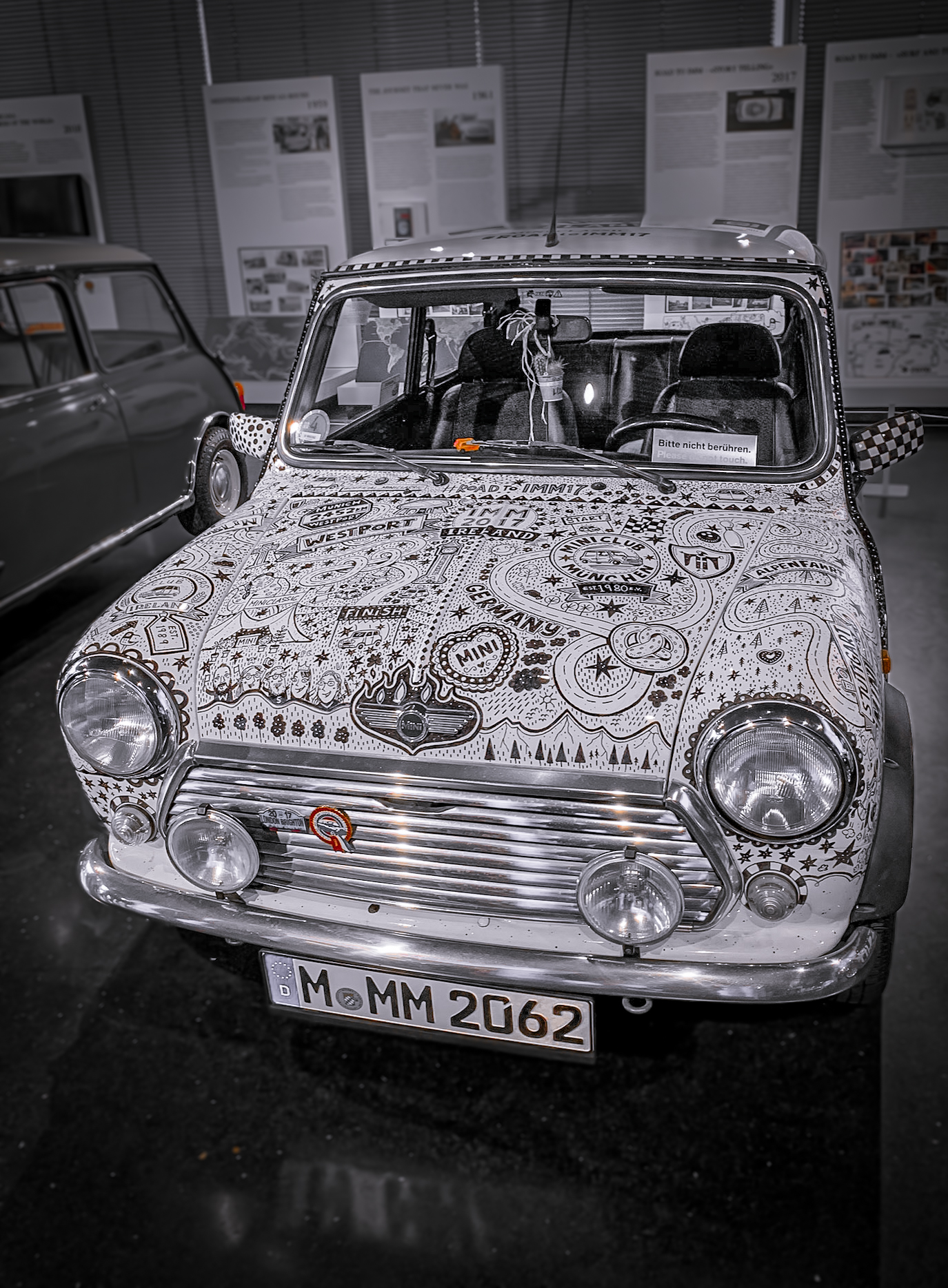



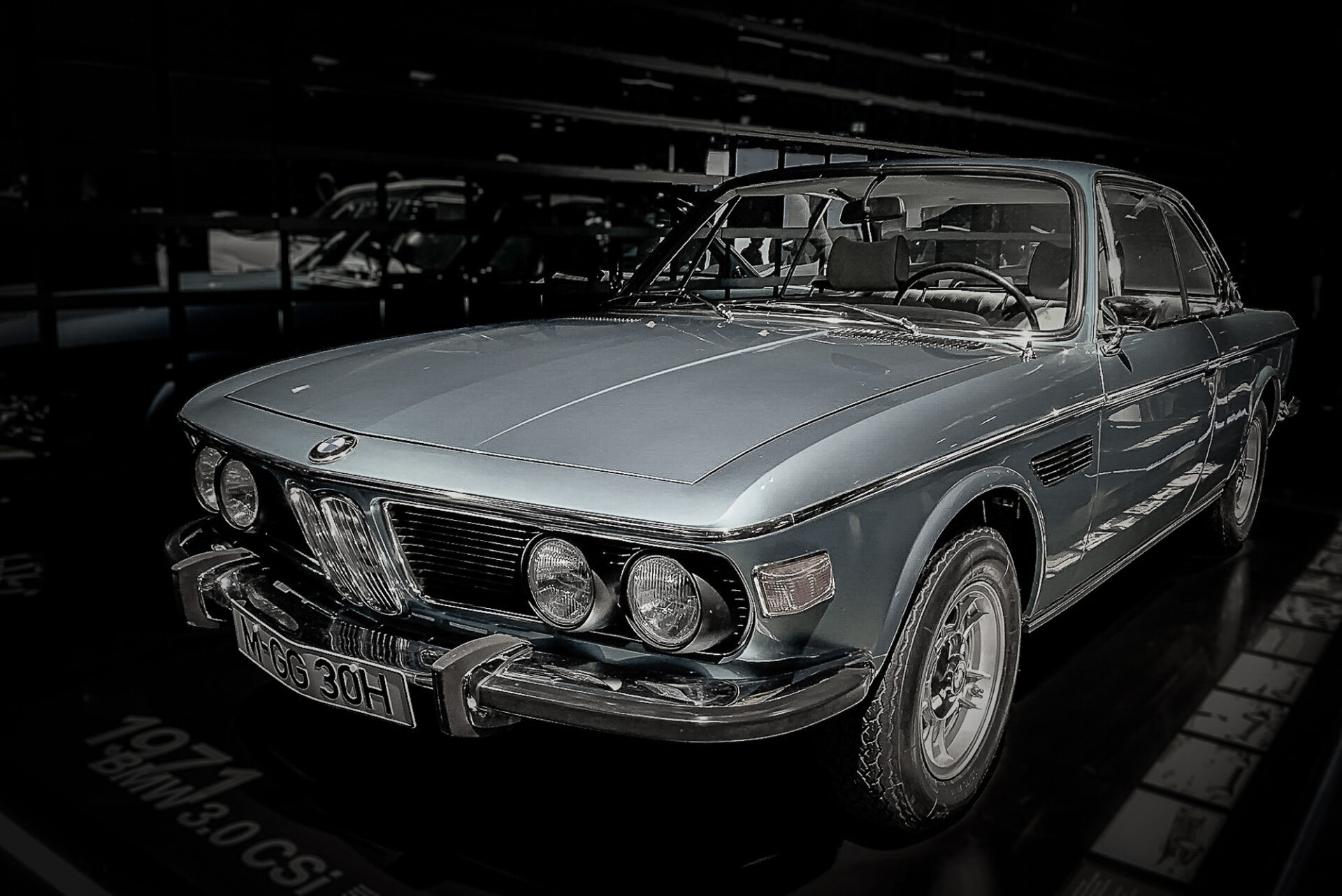



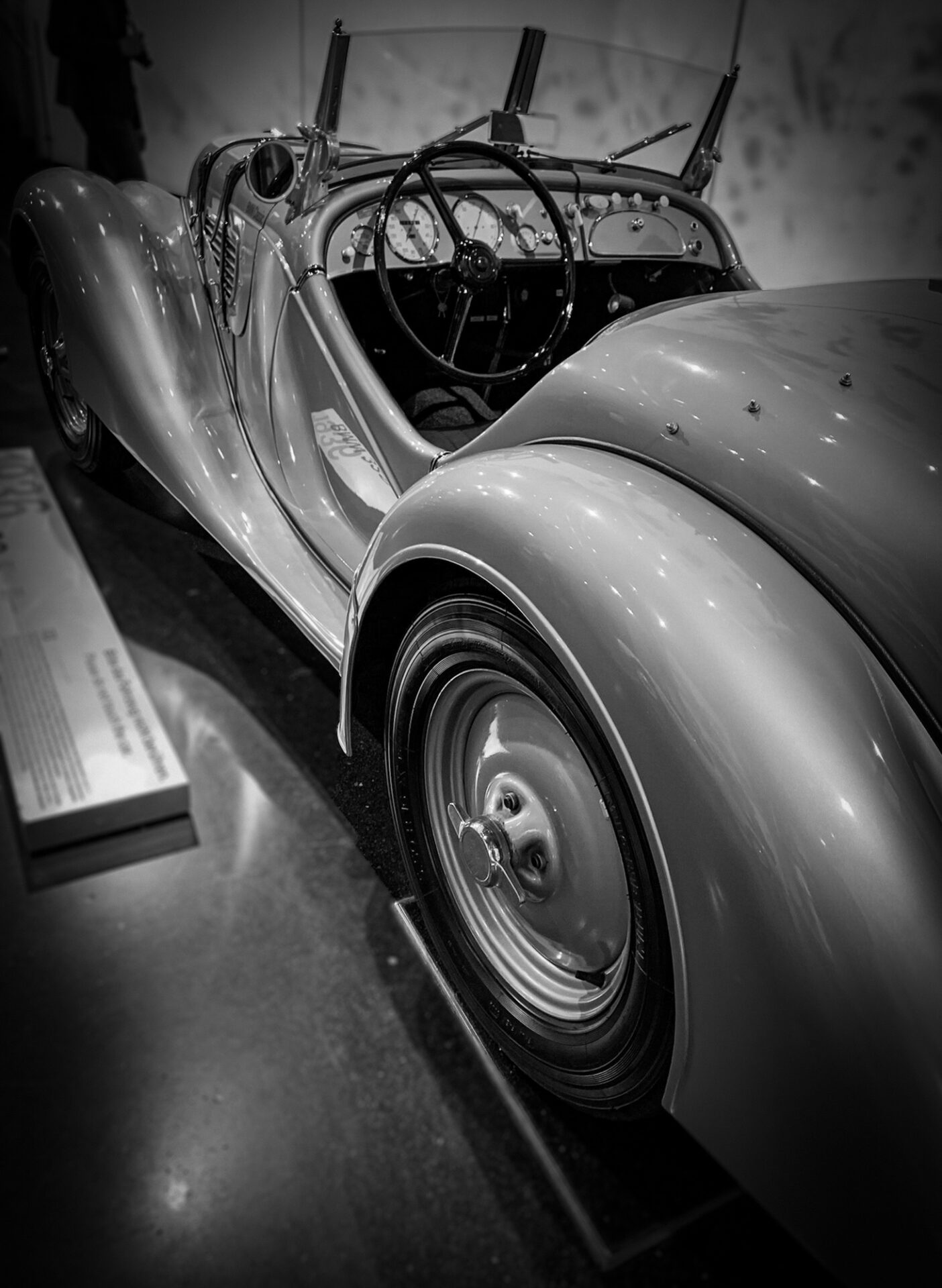
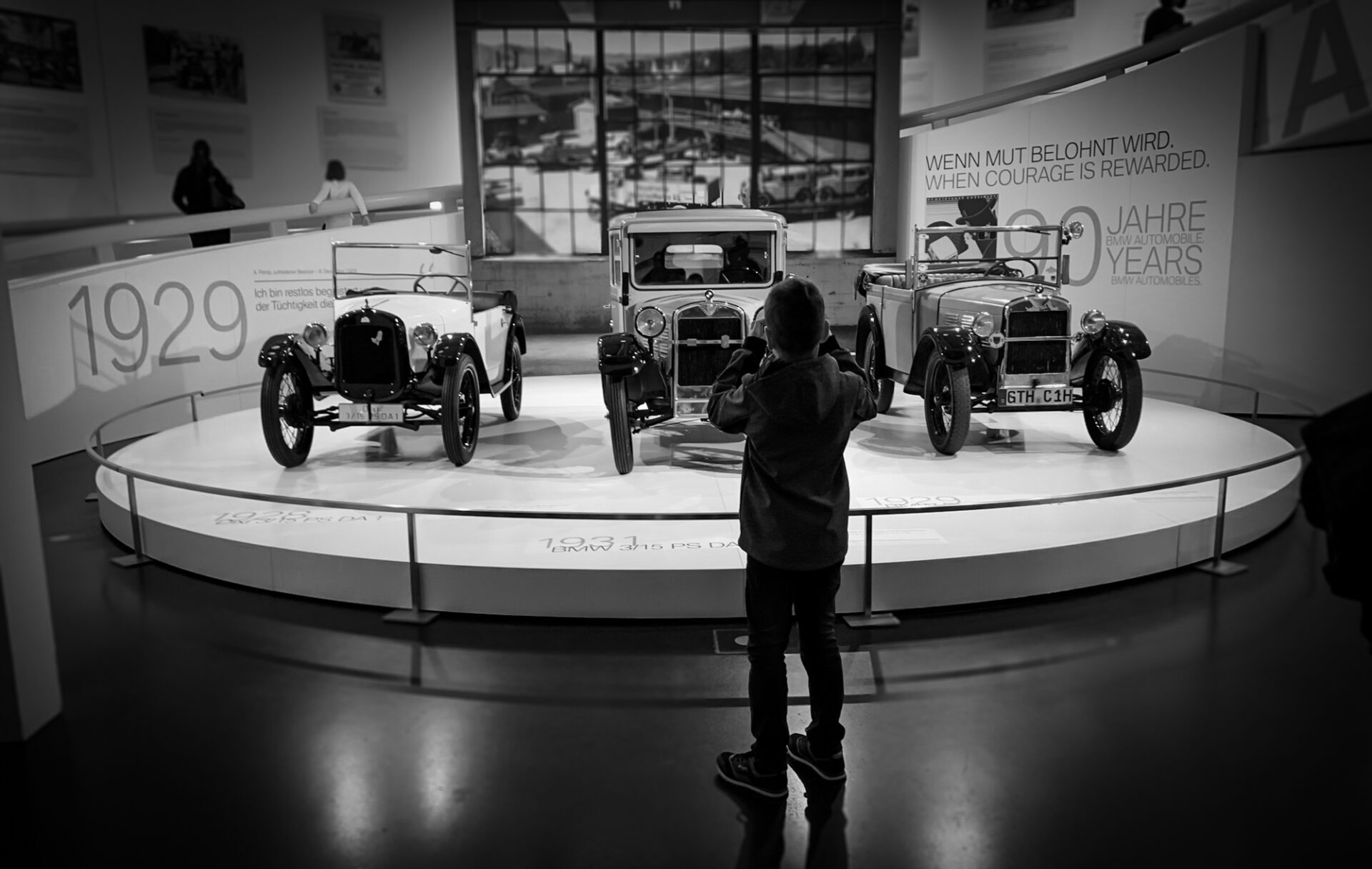

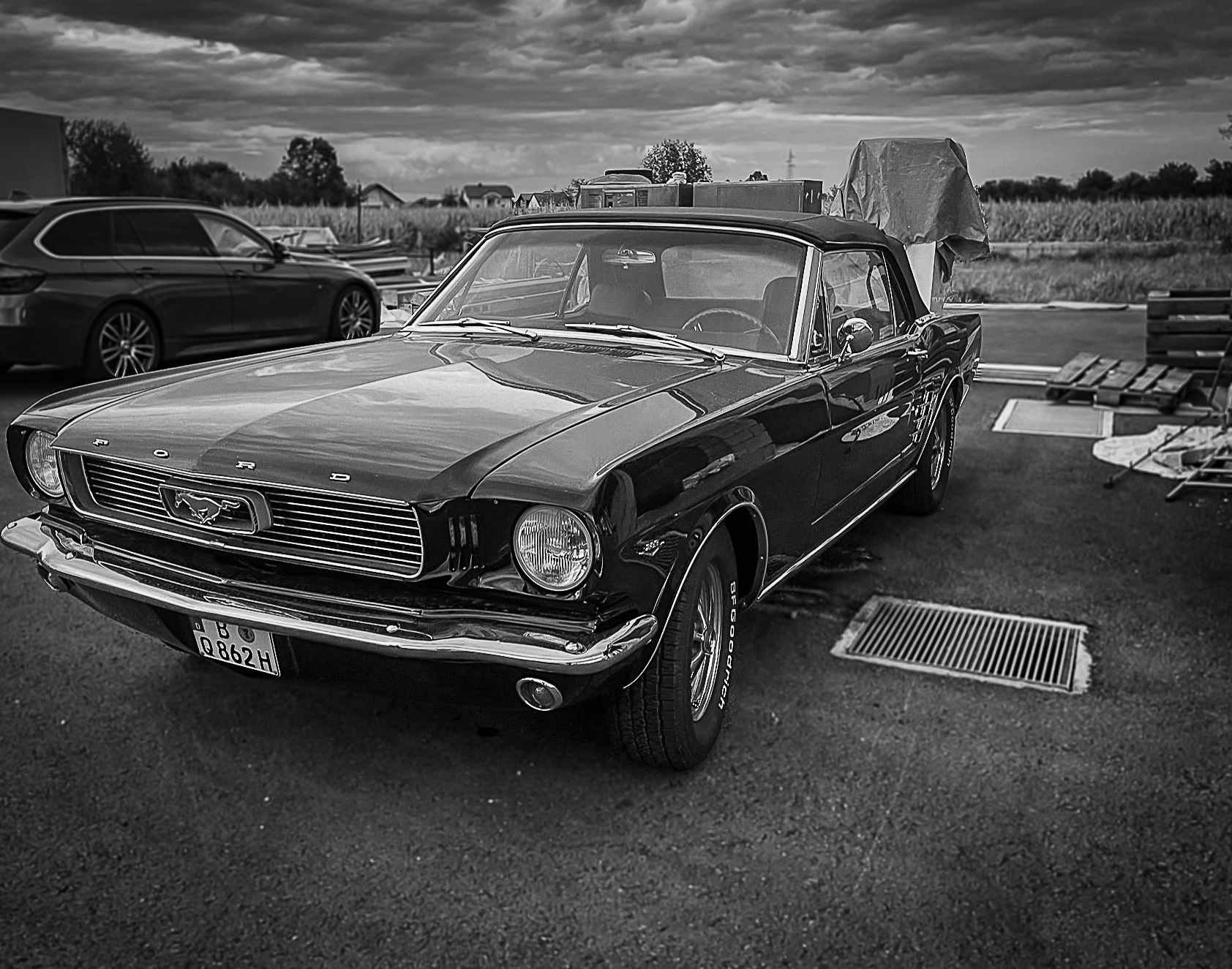
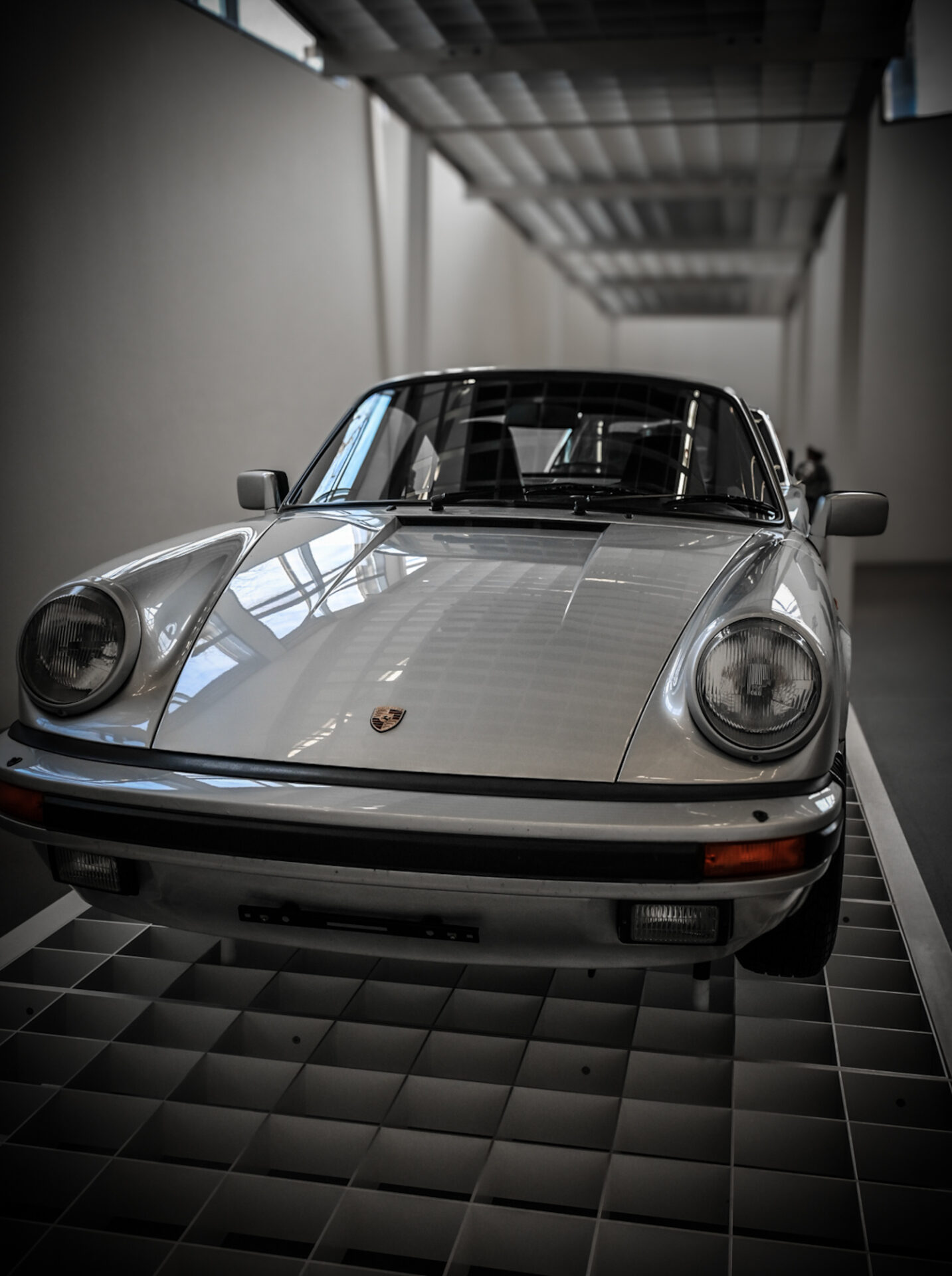




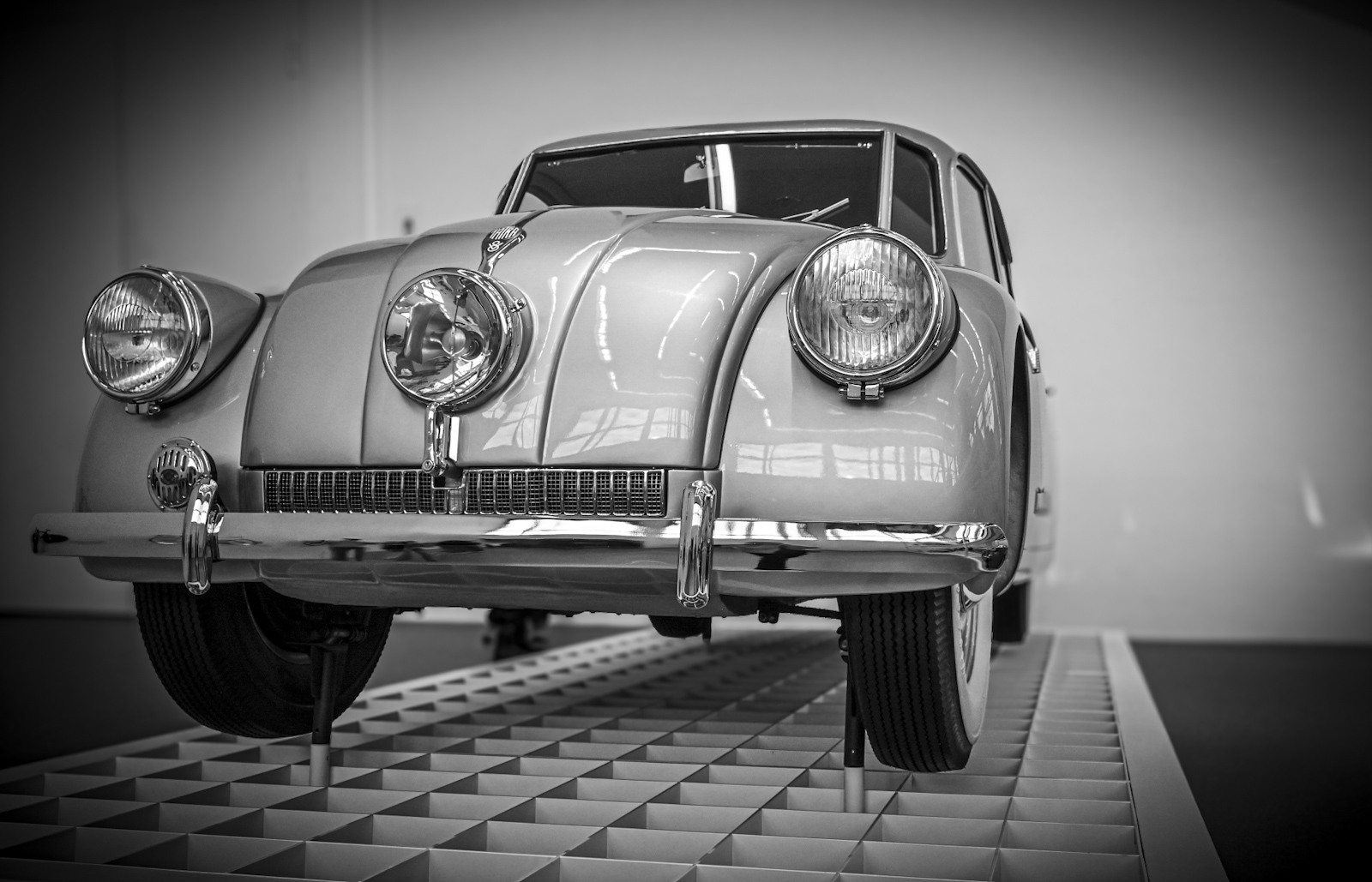
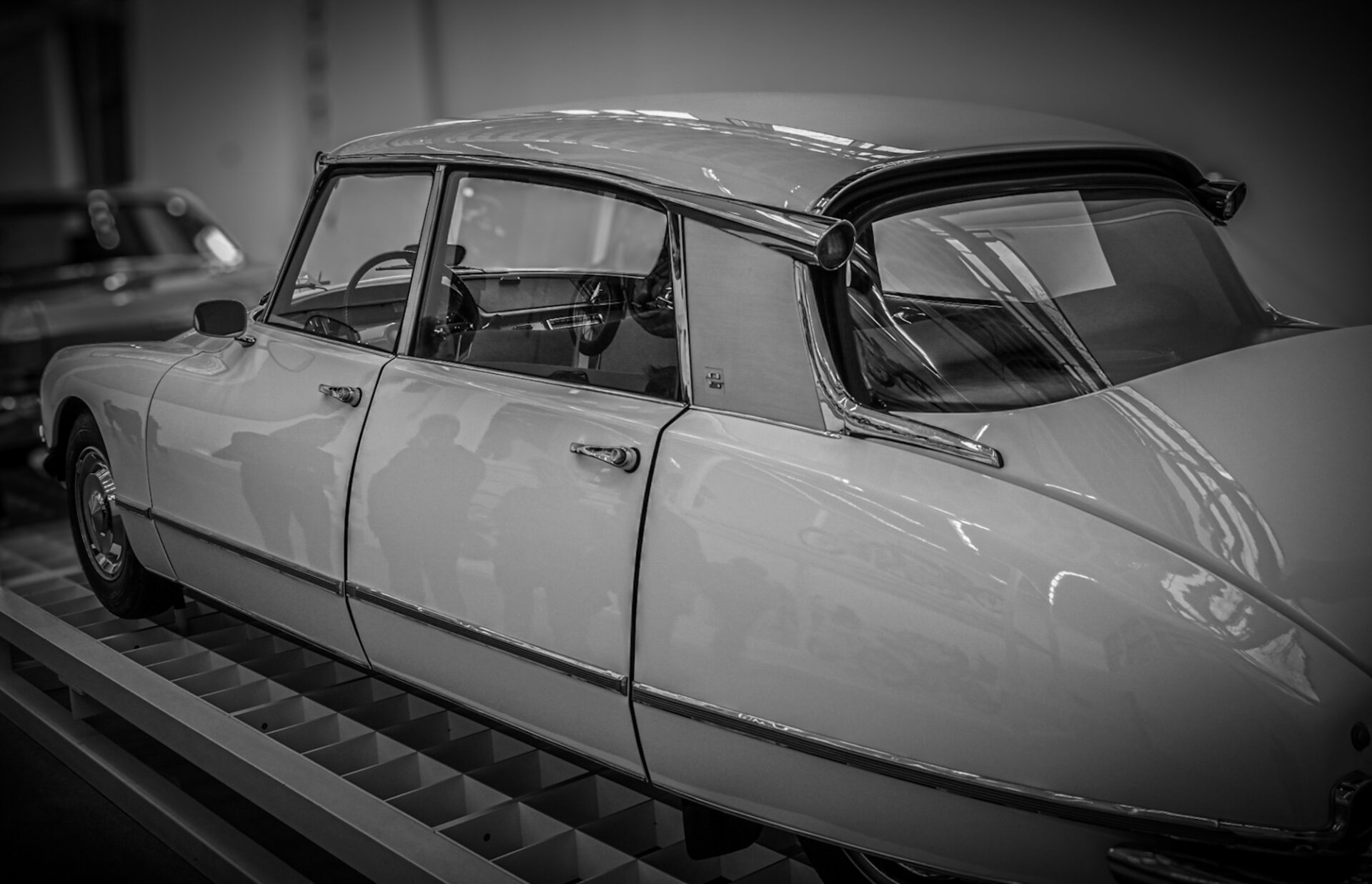
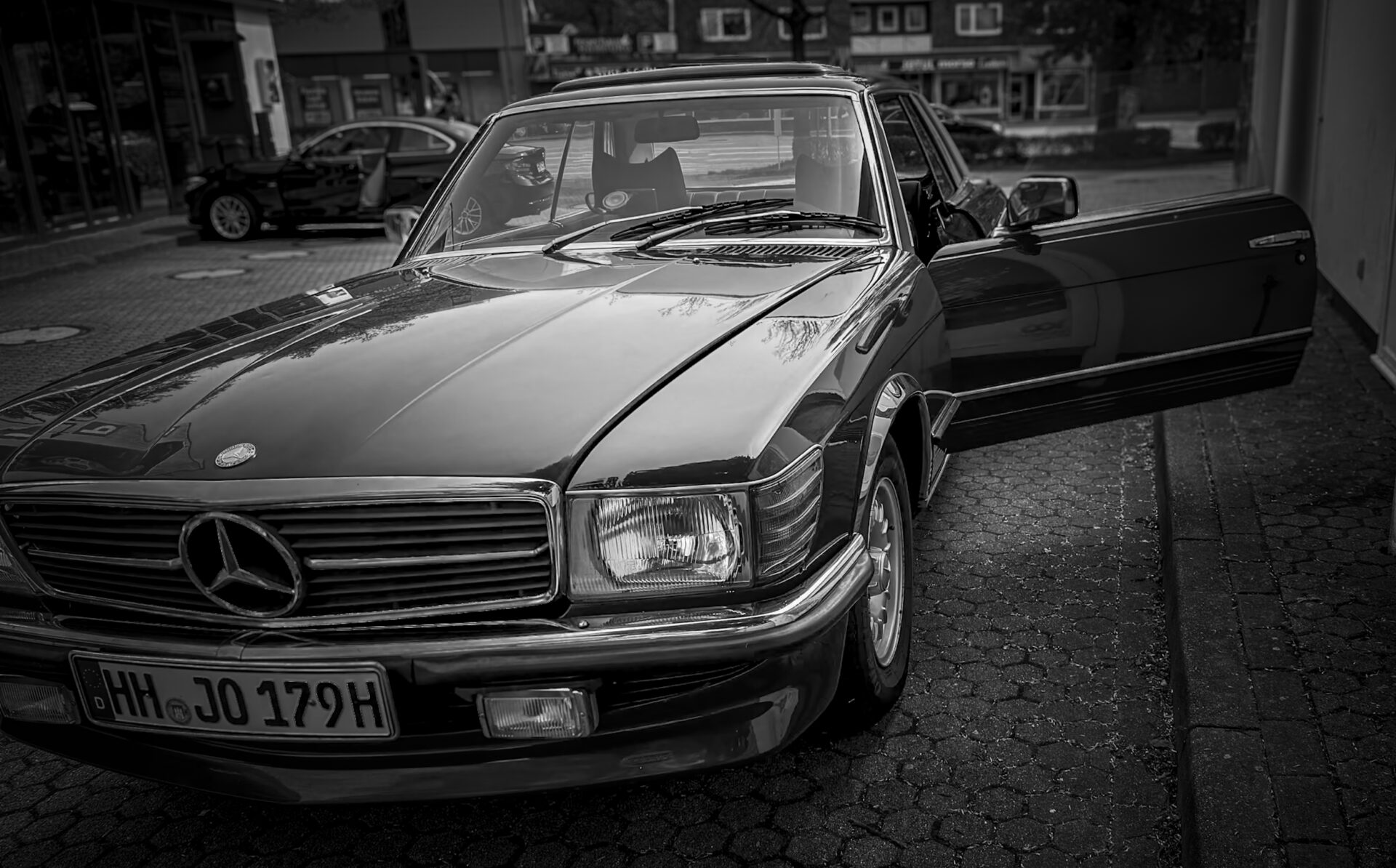


Contemplating vehicles unveils a fascinating dimension of human existence. These technological conveyances are much more than mere means of transportation; they embody our yearning for freedom and progress. In their mechanical elegance, they mirror the aspiration to transcend the boundaries of the world and explore new horizons.
Vehicles are not just metallic constructions on wheels; they are extensions of human capabilities, a means to manifest our determination to overcome distances. In their diversity, from sleek cars to majestic airplanes, they attest to our desire for movement, for reaching places that once seemed unreachable.
Yet, in this pursuit of mobility, questions arise about our relationship with the world. The speed at which we move reflects our tireless quest for efficiency and progress, but it also confronts us with the fleeting nature of time. In the swiftness of progress, we often lose the ability to linger, to pause and truly understand the environment around us.
Vehicles also embody the desire for control over our surroundings. Through them, we can transcend geographical boundaries, subjugate nature, and shape the world according to our visions. However, within this power lies a responsibility – an obligation to use technology for the benefit of the community and the planet.
Thus, vehicles are not merely mechanical objects; they are mirrors of our dreams, ambitions, and our relationship with the world. In their existence and evolution, they reflect not only the state of our technology but also the condition of our humanity.