


































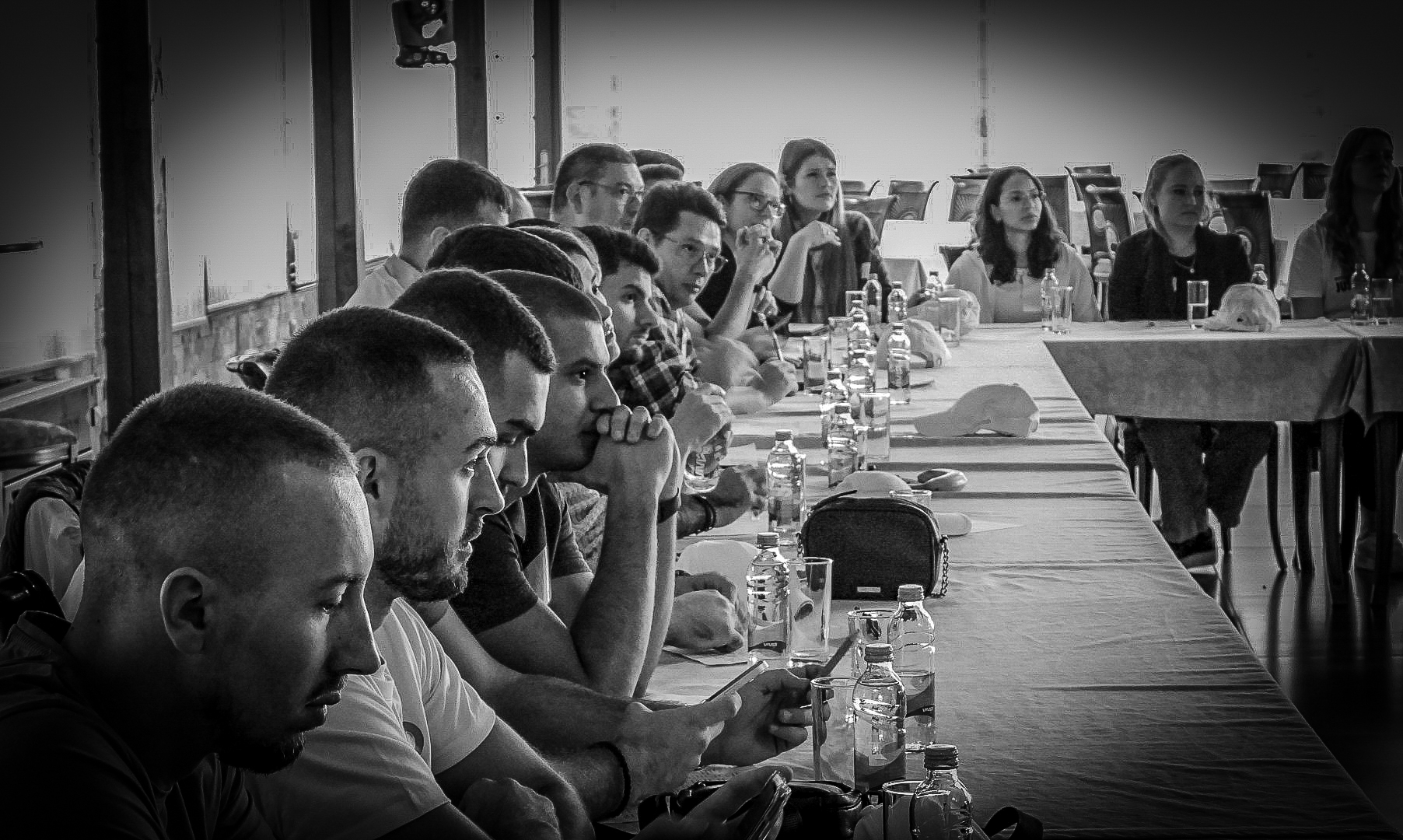









The revelation of human faces holds a profound perspective that extends far beyond mere physical disclosure. The face, considered a mirror of the soul, unveils not only external features but also hidden layers of human essence.
Within the revelation of faces lies the disclosure of stories that cannot be expressed in words alone. Every line narrates past smiles and tears, recounting experiences that have shaped the countenance. Lines on the forehead may bear witness to worries and contemplations, while the eyes tell tales of joy and sorrow.
The unveiling of human faces can be regarded as an act of authenticity, where the shields of daily life are dropped. Here, the individual reveals their true self, unmasked from the veils often worn in everyday existence. It is a revelation that pertains not only to external appearance but also to the inner world and emotional landscapes.
In emphasizing the revelation of human faces, there is an acknowledgment of vulnerability and honesty. By opening ourselves to the gaze of others, we confess not only our physical traits but also our human weaknesses and strengths. The face becomes a medium of communication that transcends words, fostering a deep connection between individuals.
Yet, there is also a nuance of fragility in this revelation. The act of showing one’s face can be likened to sharing one’s soul. It is an intimate gesture that requires trust and carries the potential for vulnerability. In this openness, the beauty and fragility of human existence are laid bare.
Overall, the consideration of the revelation of human faces is an acknowledgment of the deeper dimensions of human life. It is an act of disclosure that goes beyond the visible, delving into the hidden spaces of human existence where the true essence of an individual is laid bare.