

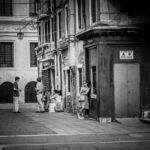
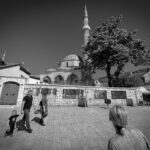


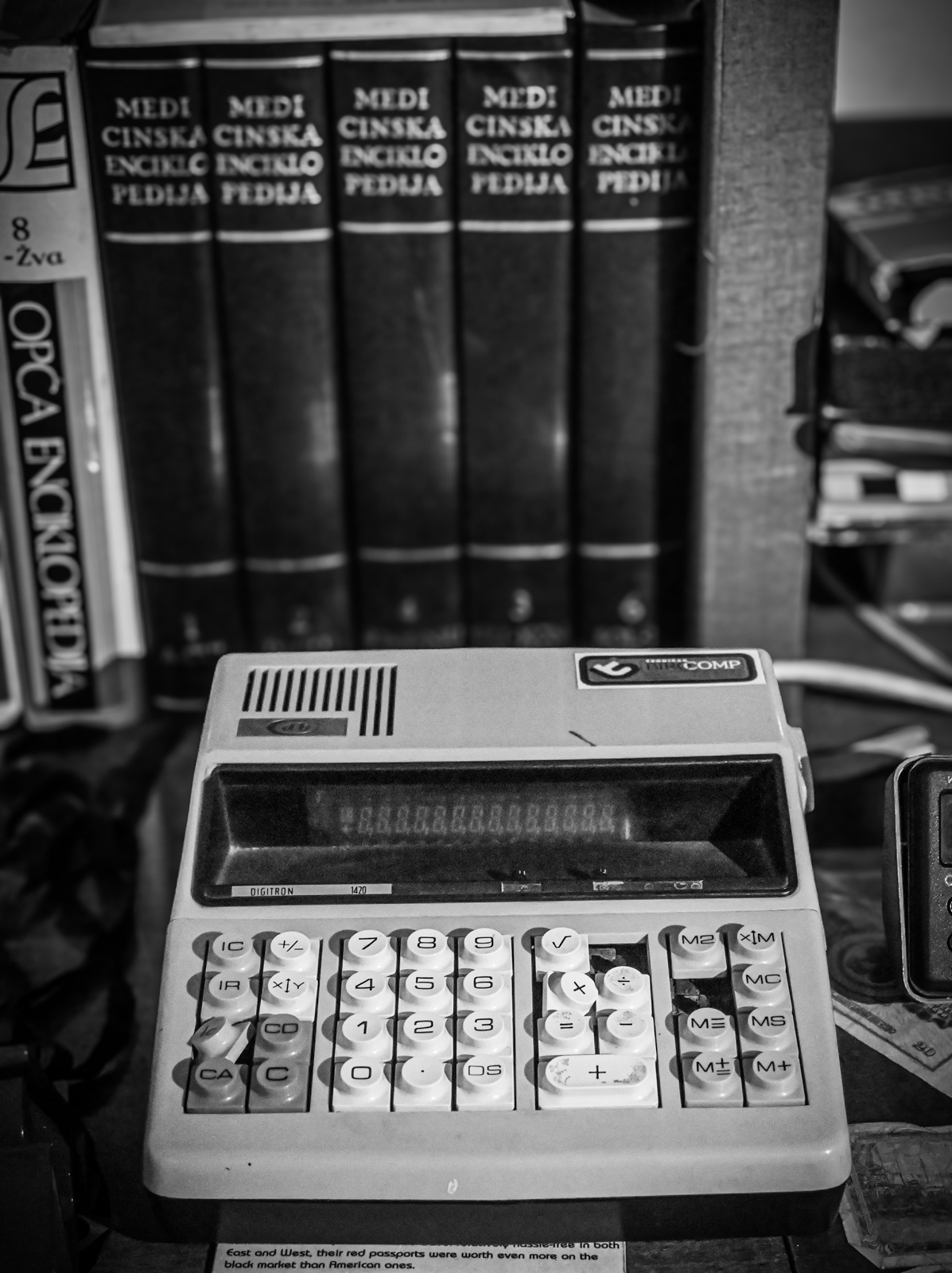

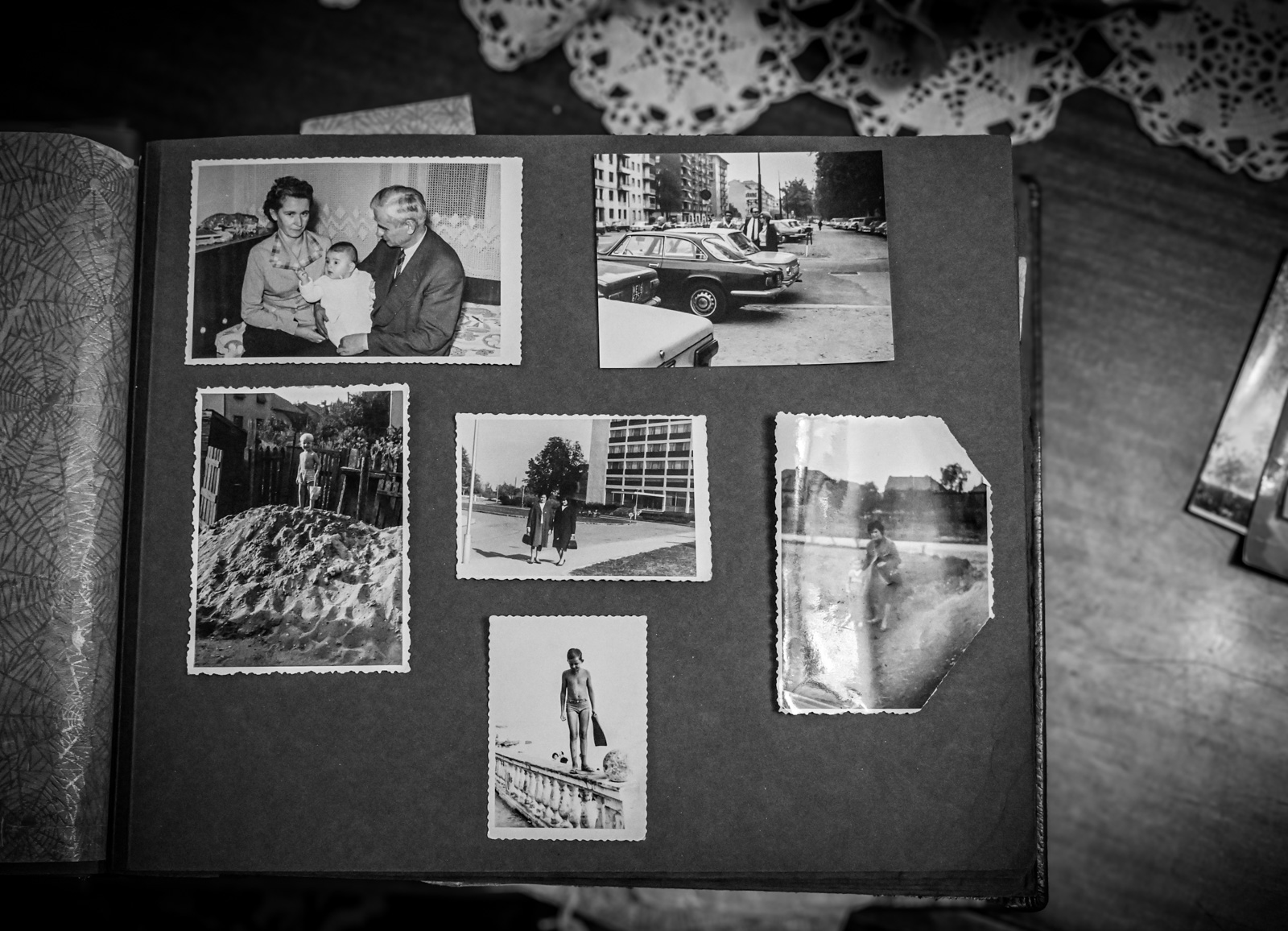


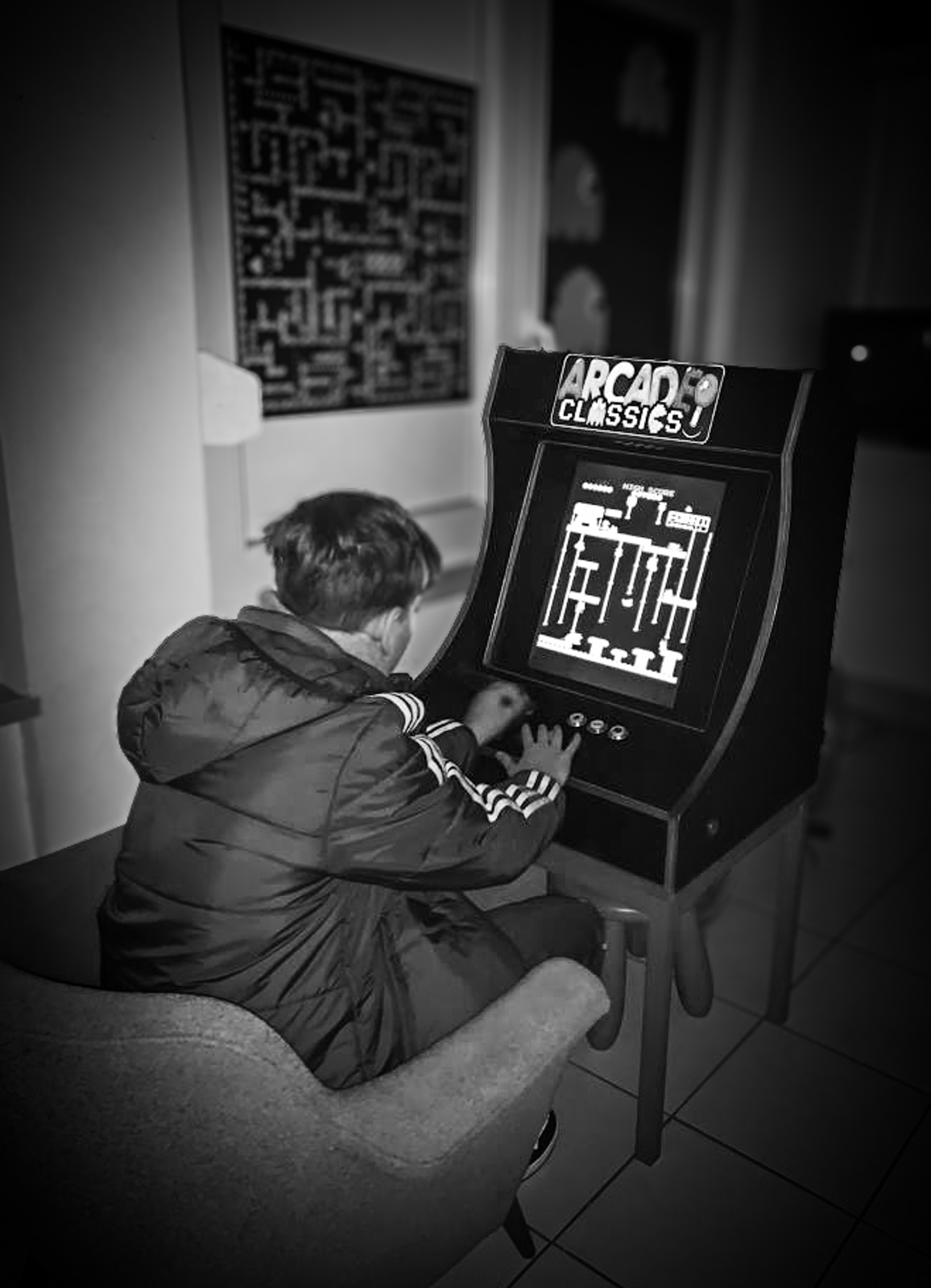
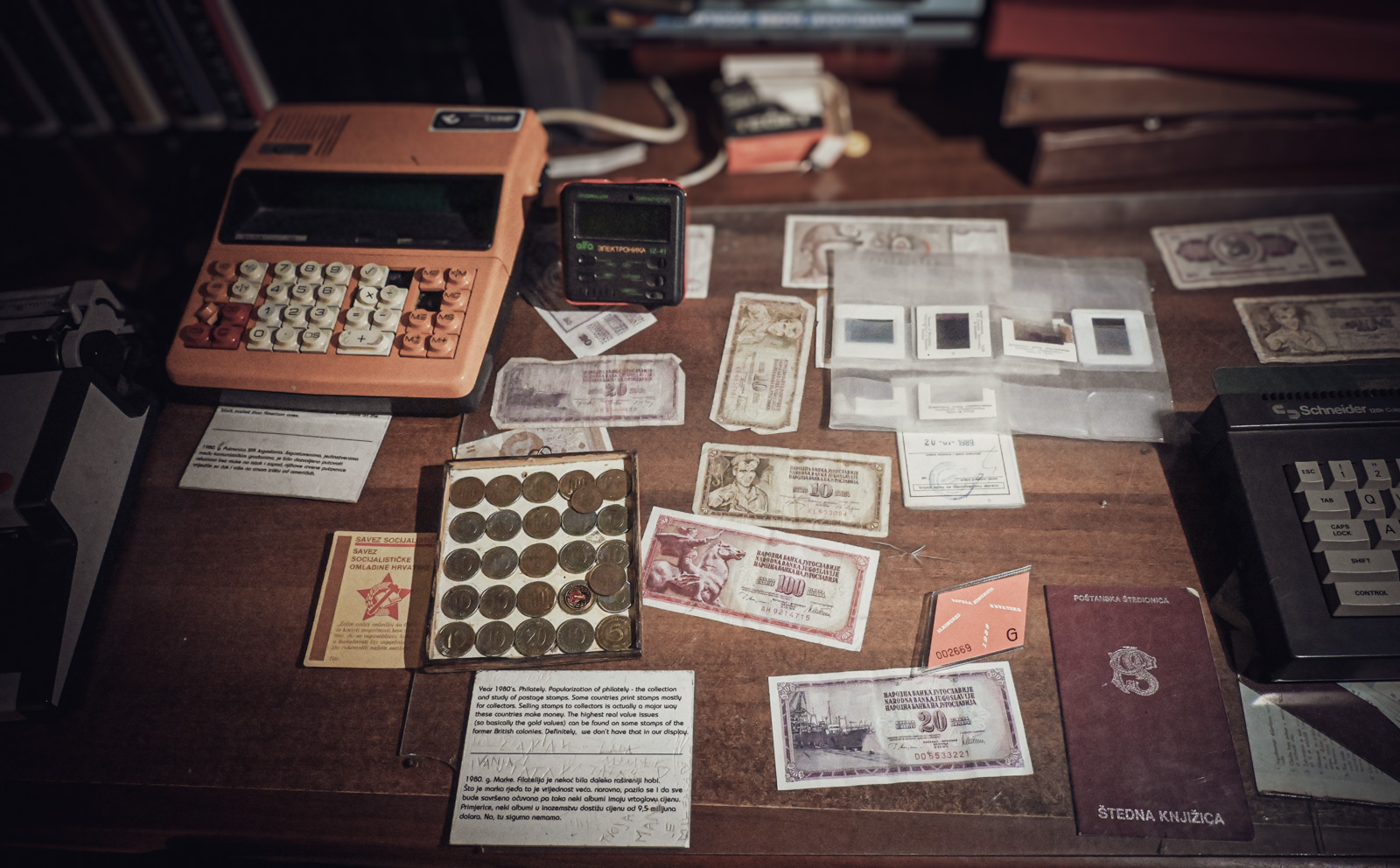



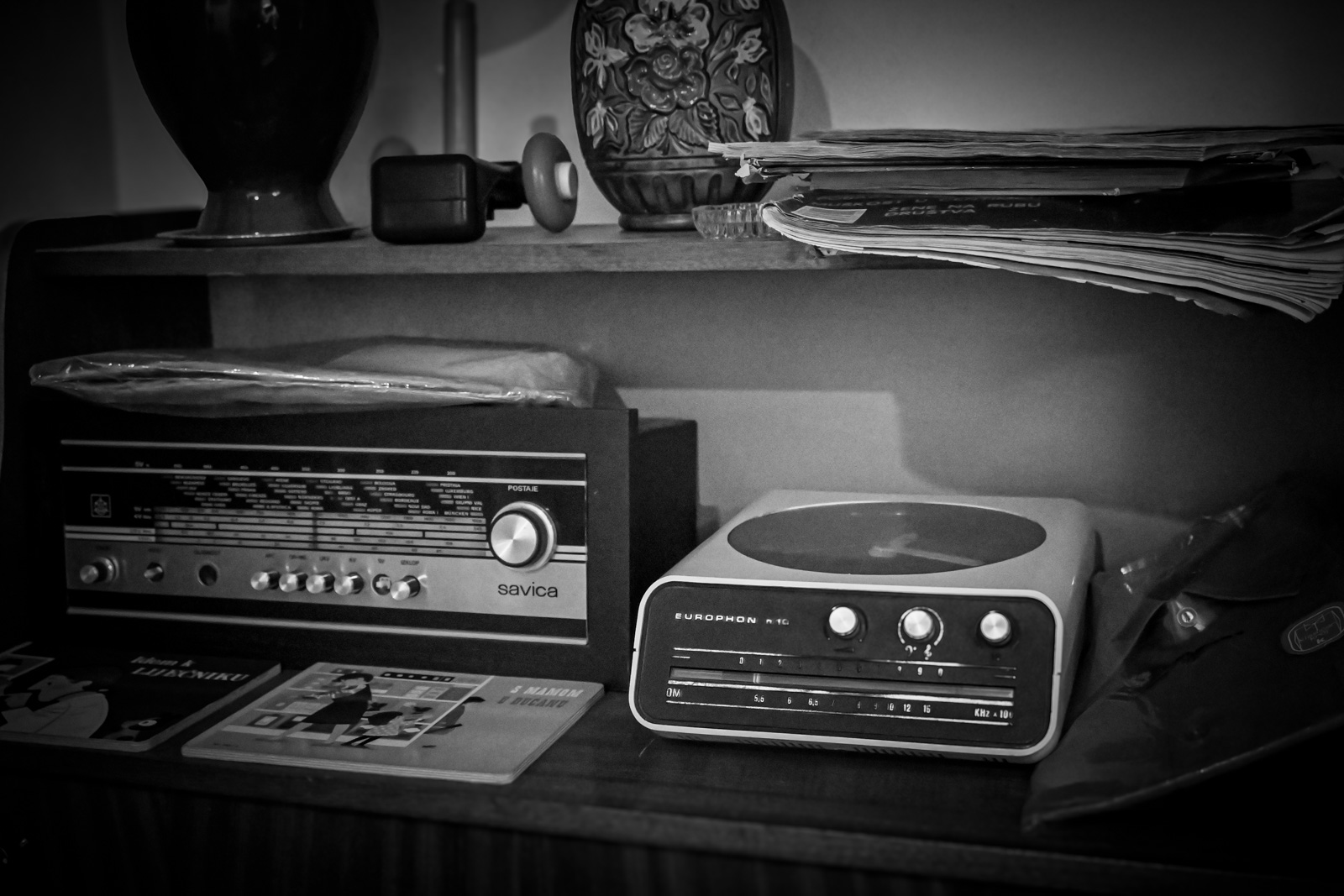
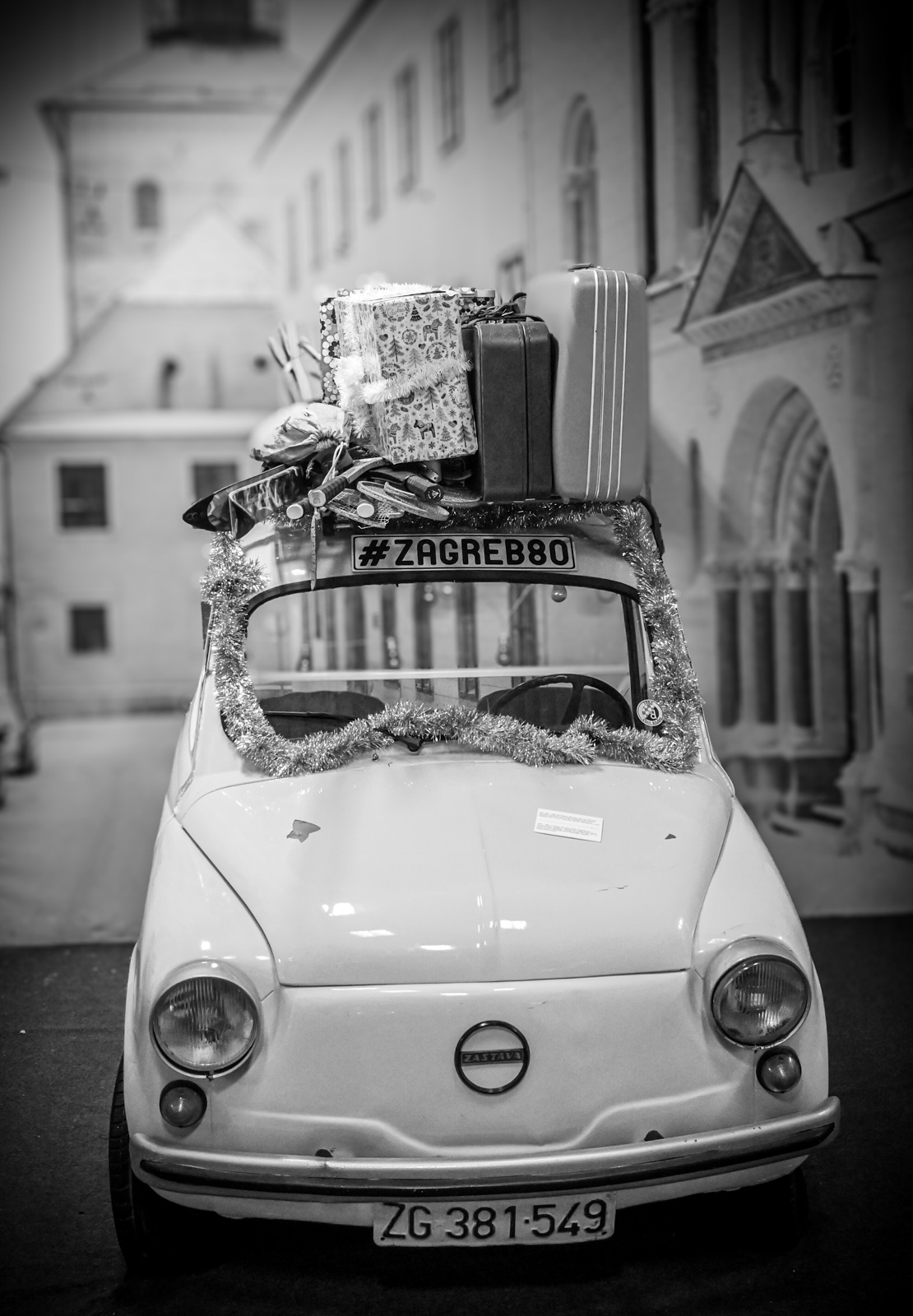
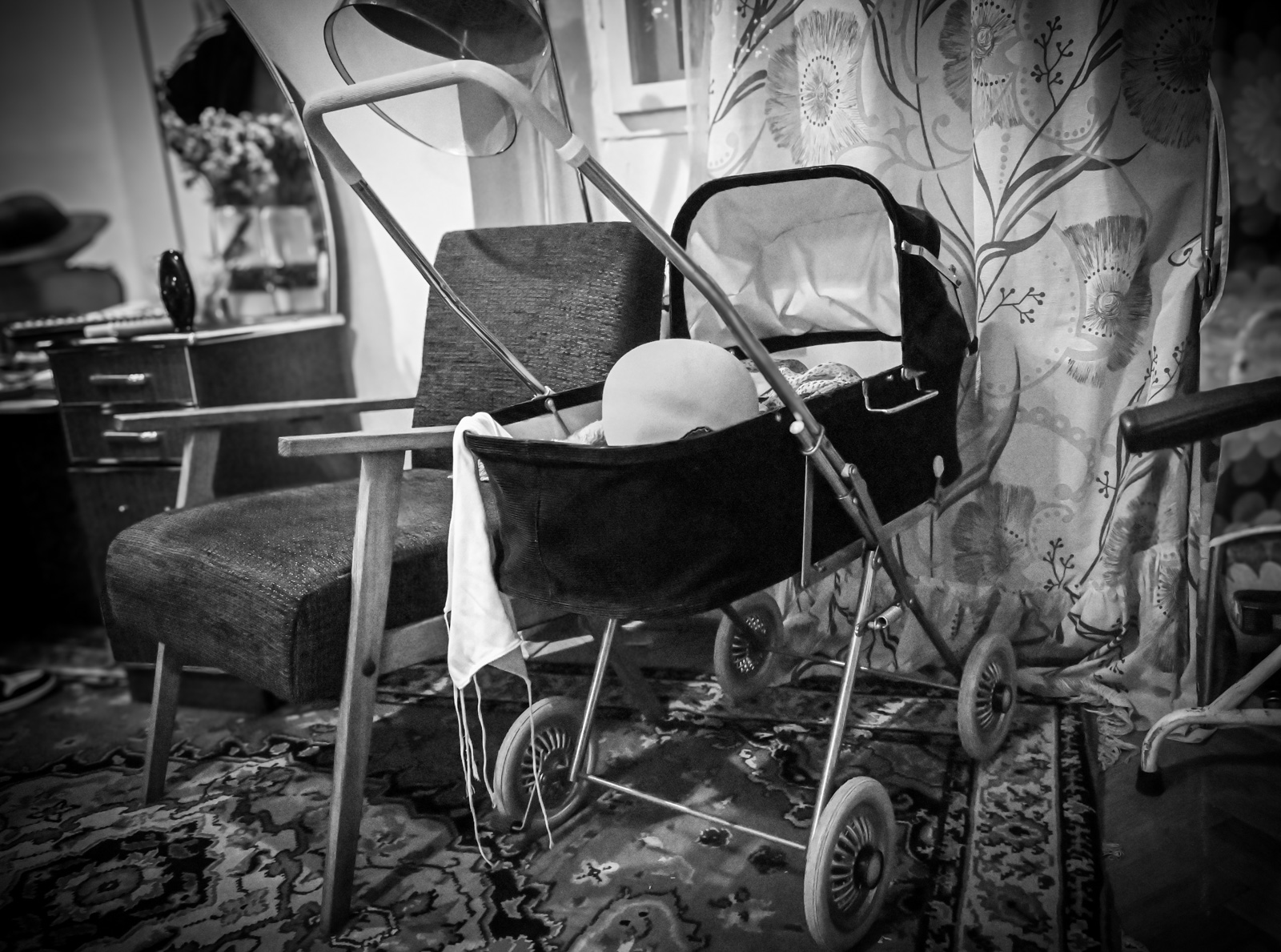
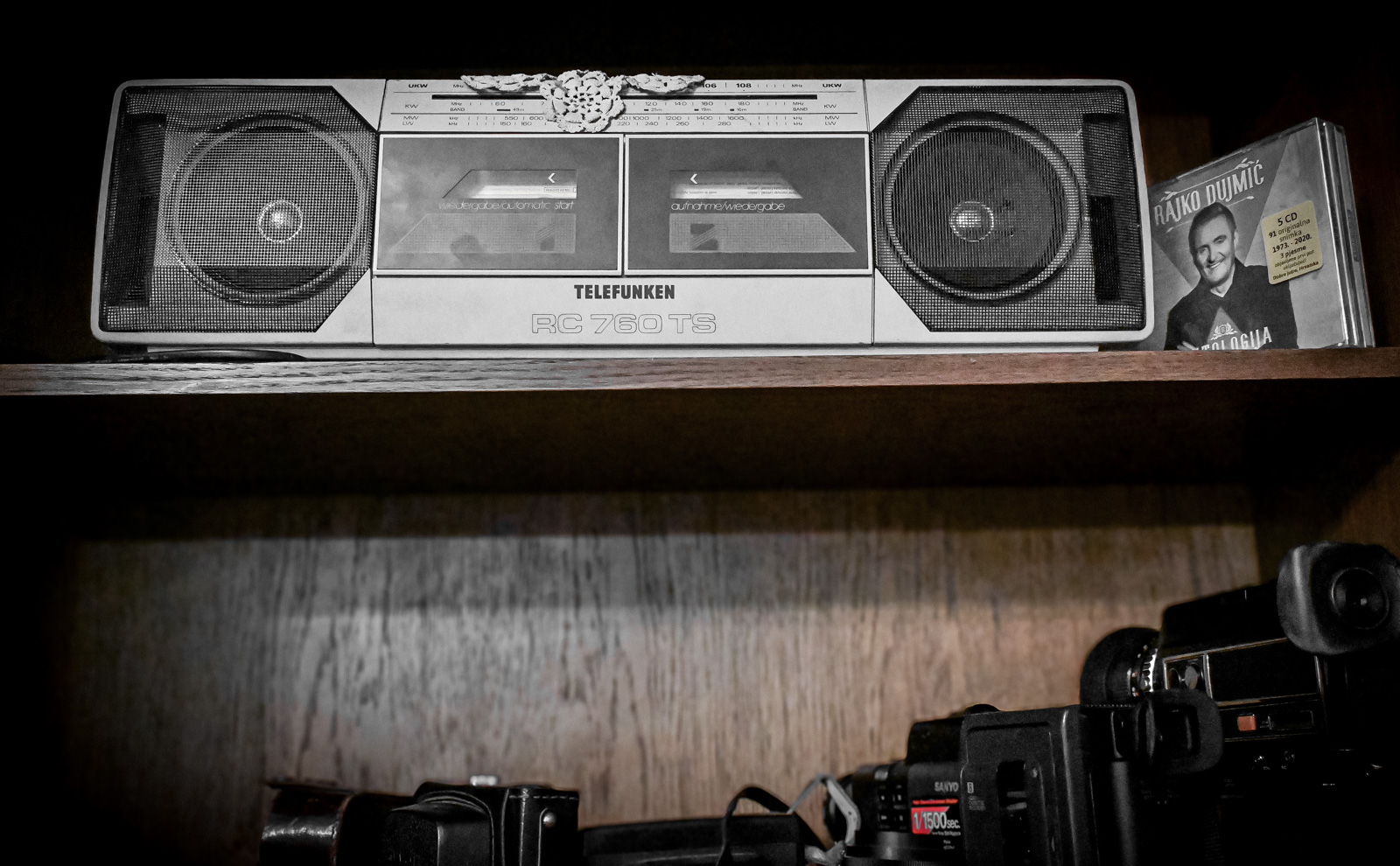
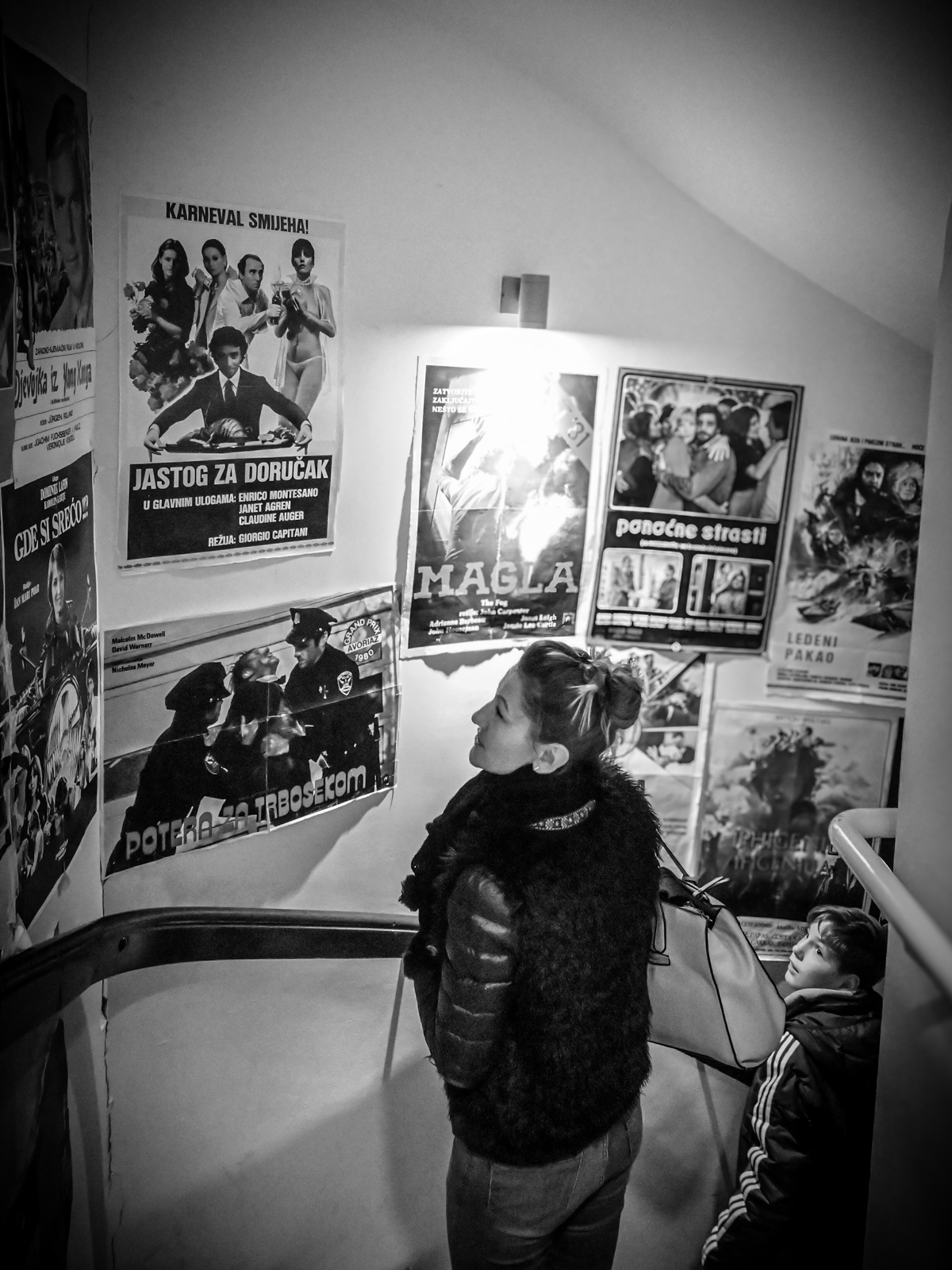

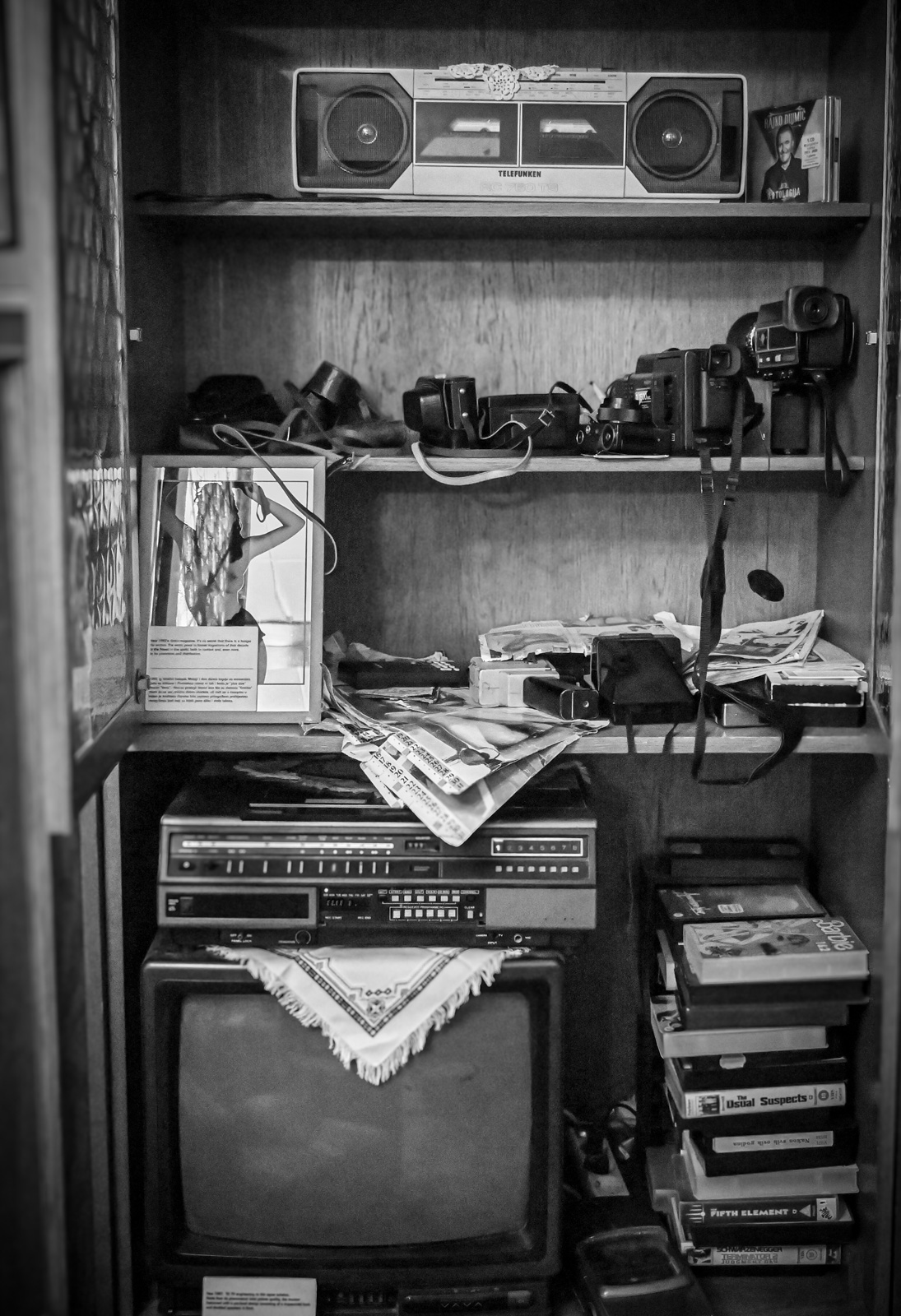
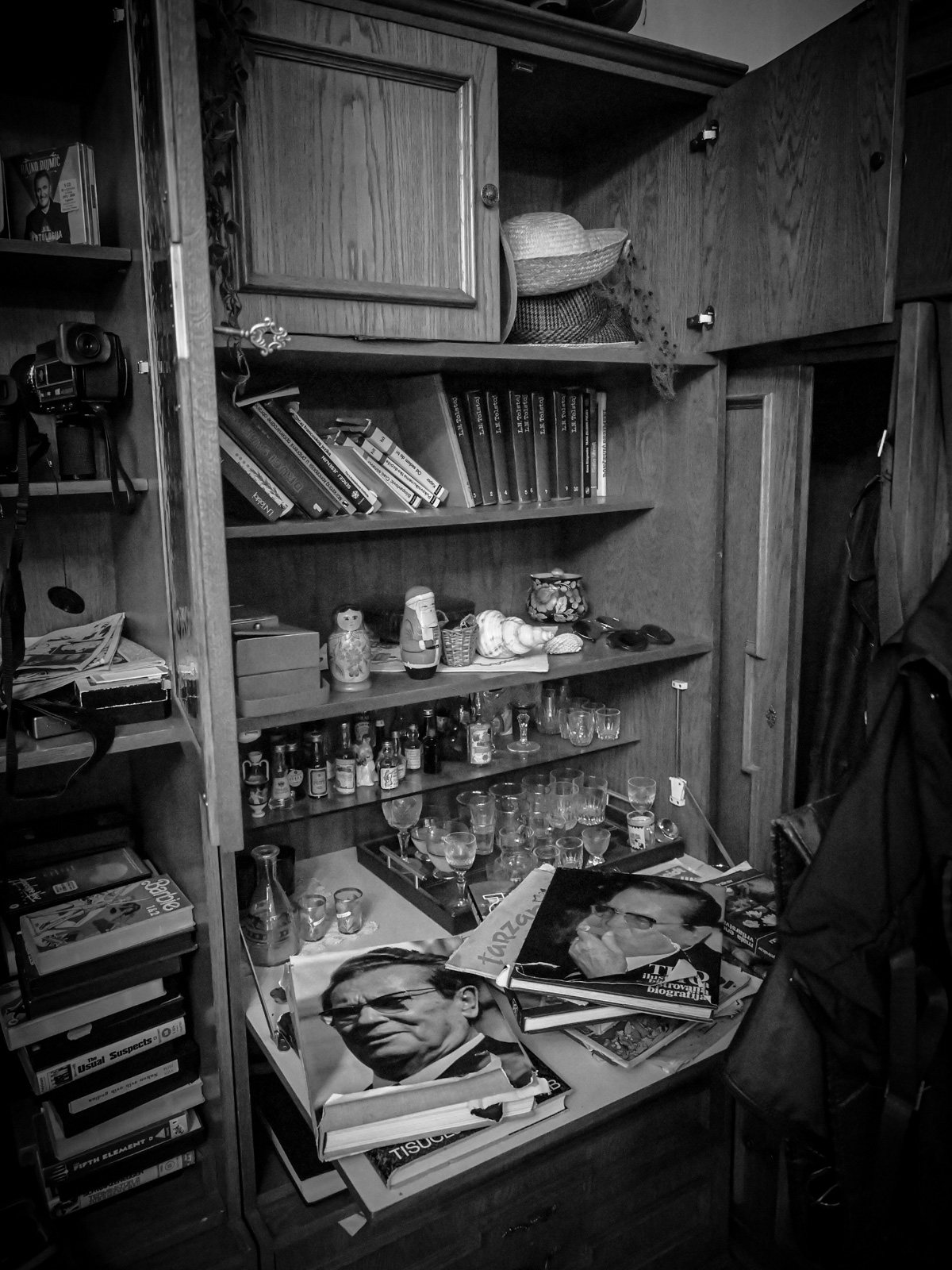
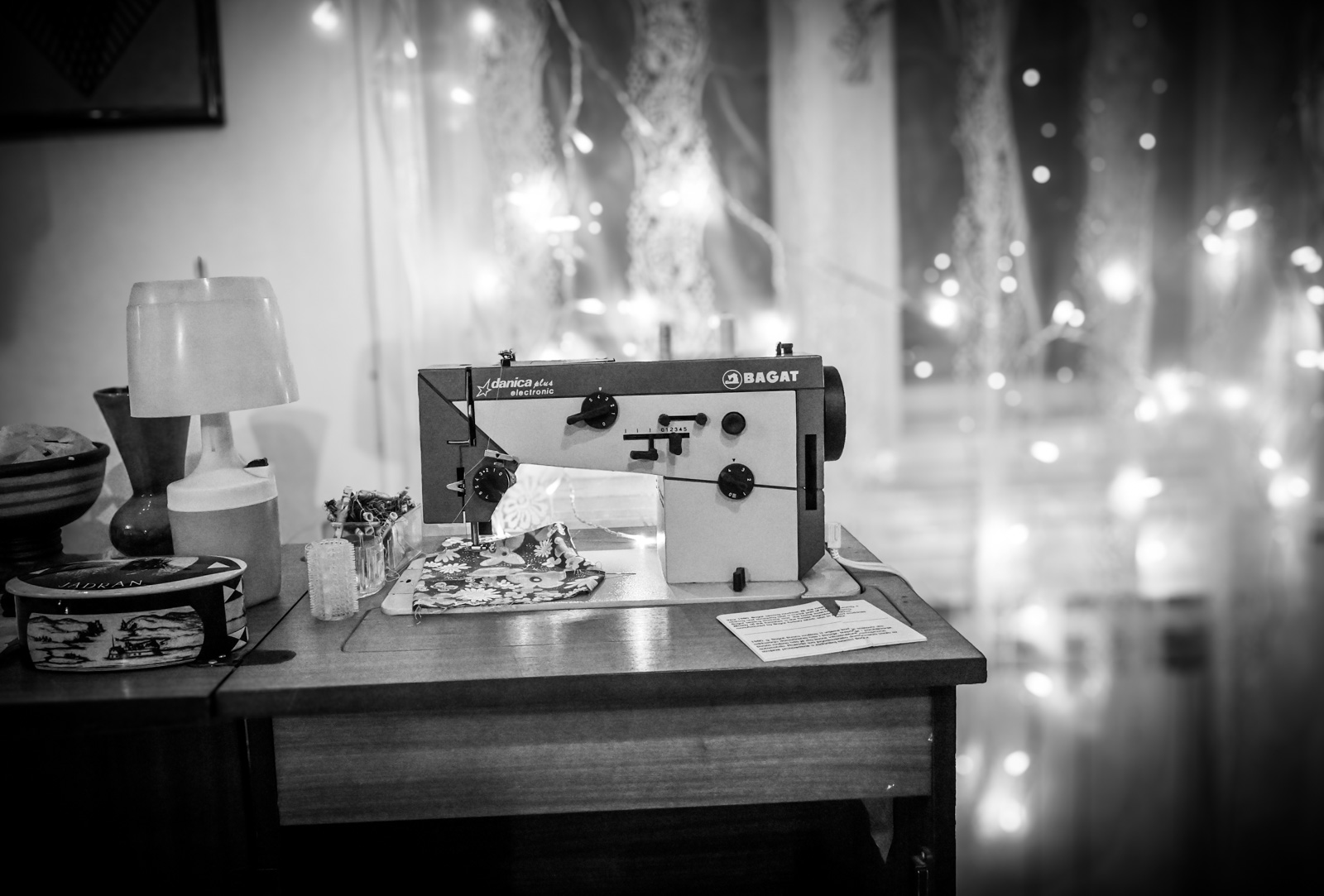



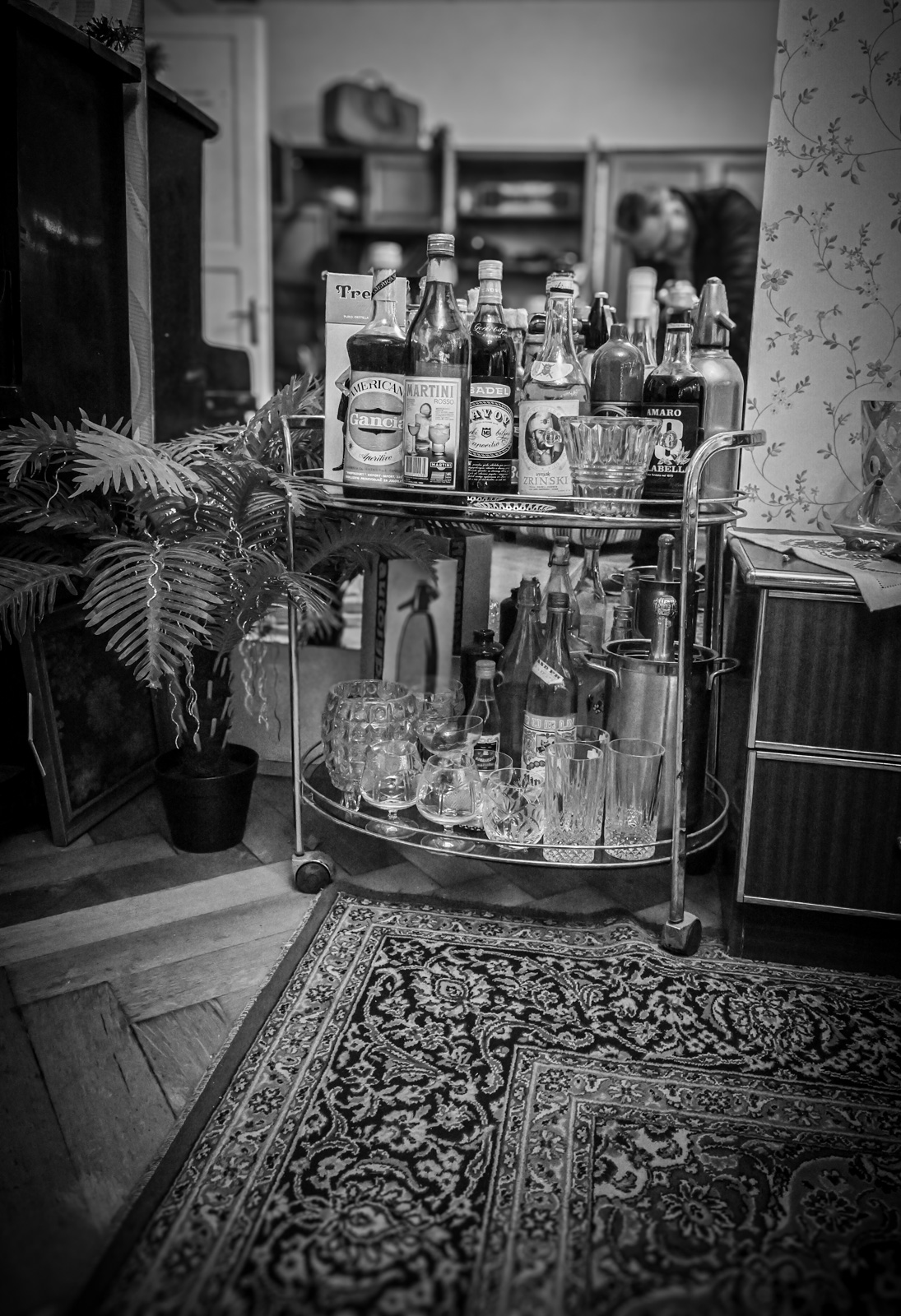

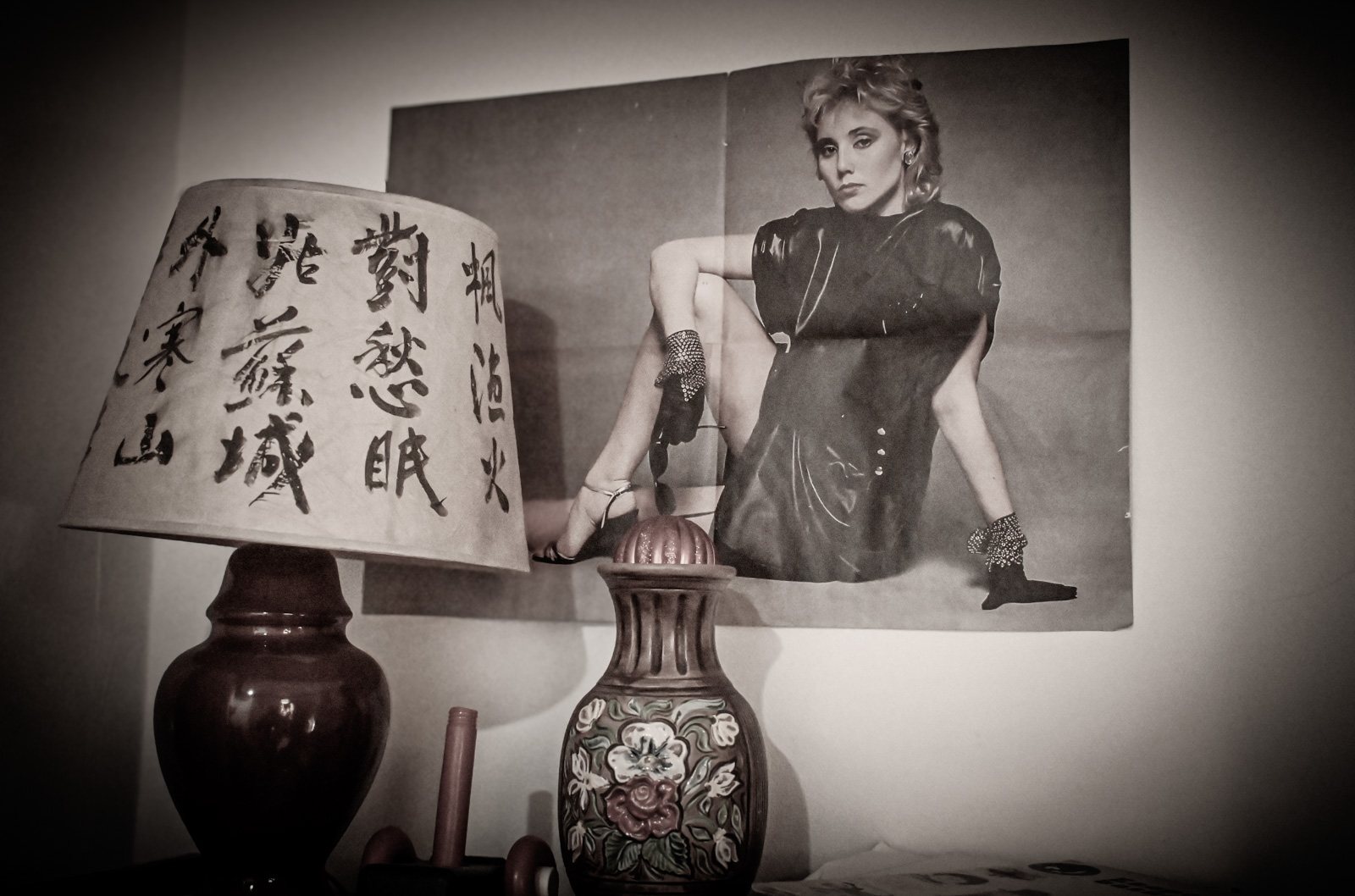



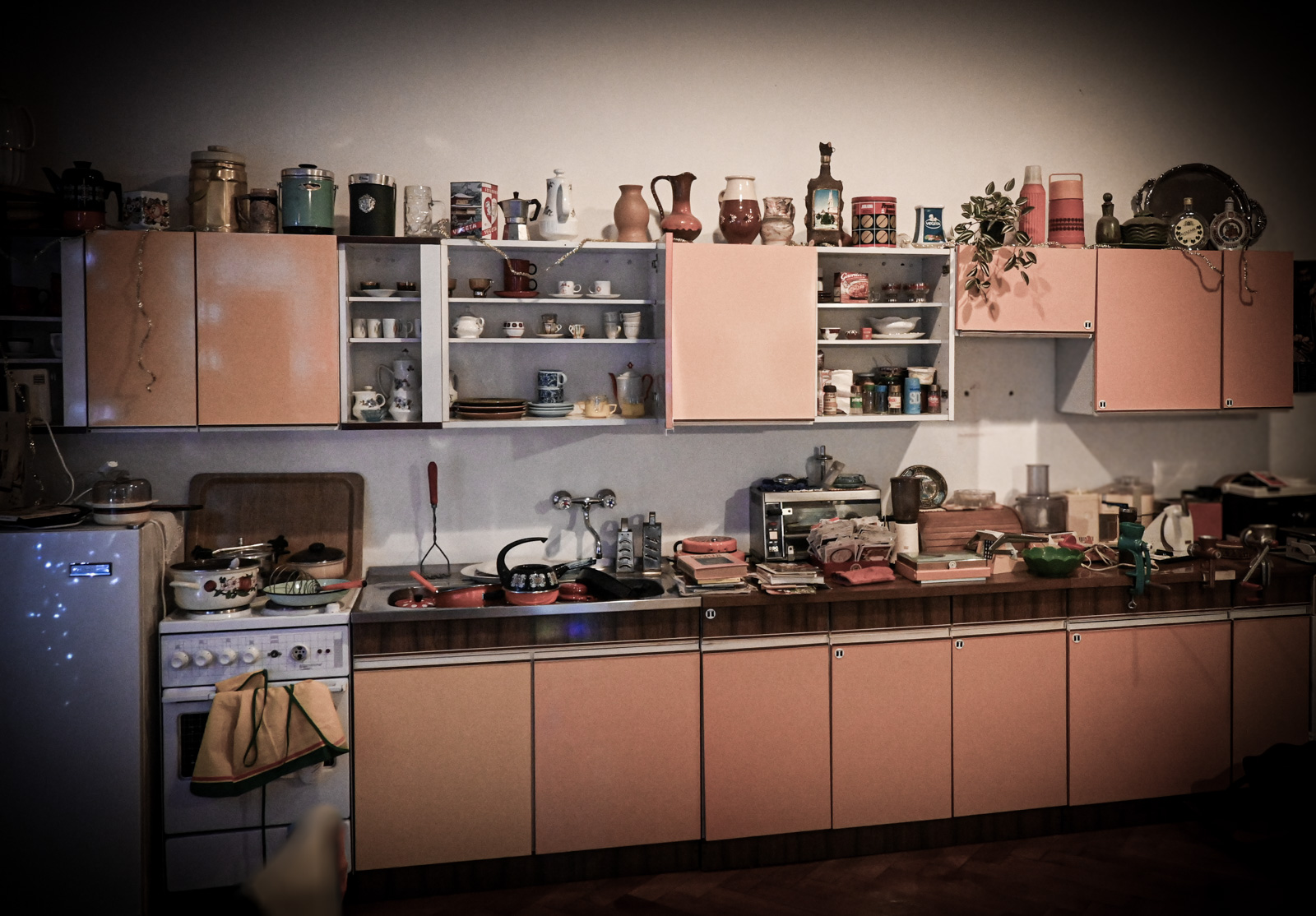
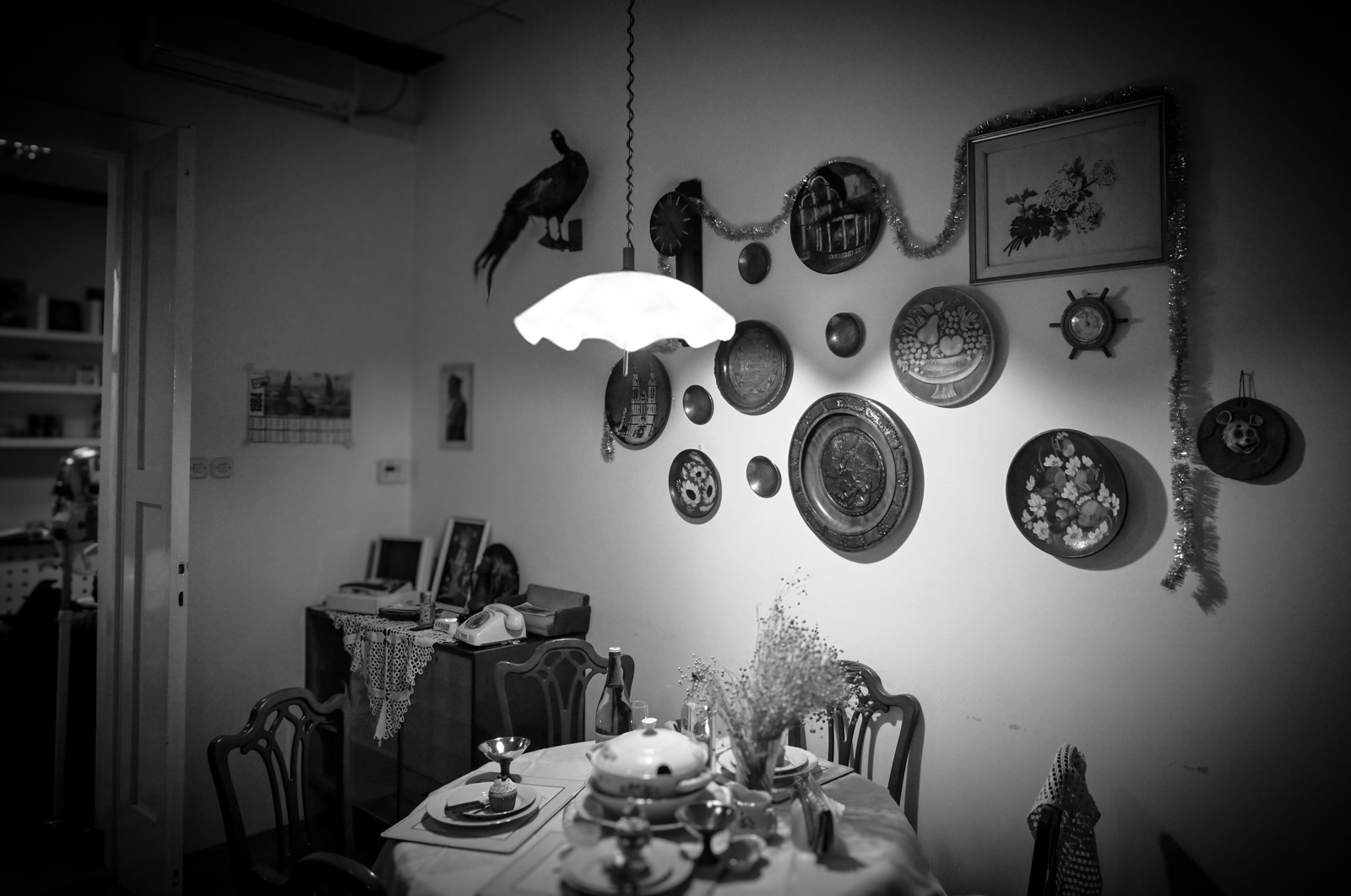

Step into an evocative visual retrospective capturing the essence of daily life in the socialist era of the 1980s. This compelling photographic gallery offers a nostalgic exploration of the lived experiences, environments, and cultural nuances prevalent during this distinctive period.
Through captivating snapshots, witness the everyday scenes and societal landscapes that defined the socialist lifestyle in Yugoslavia. Yugoslavia operated under a unique economic model called „self-management socialism,“ where workers had a significant say in decision-making within their enterprises. This decentralized system aimed to create a more participatory economy.
Josip Broz Tito, the leader of Yugoslavia until his death in 1980, maintained a relatively independent foreign policy, establishing the Non-Aligned Movement. He was a unifying figure in a nation composed of diverse ethnic groups.
The 1980s witnessed a rise in consumer culture. Yugoslavs experienced increased access to imported goods, particularly from the West. Tourism also thrived, with Yugoslavs enjoying vacation spots along the Adriatic coast. The government implemented various social welfare programs, including universal healthcare and education, contributing to relatively high living standards compared to other Eastern European countries.
Yugoslavia was a multi-ethnic and multi-cultural society, consisting of various ethnic groups such as Serbs, Croats, Bosniaks, Slovenes, Macedonians, and Montenegrins. This diversity was reflected in the arts, cuisine, and traditions. While there was more freedom of expression compared to other socialist states, media was still subject to government control and censorship. However, there were more liberal spaces for cultural and artistic expression.
Despite relative prosperity, the Yugoslav economy faced challenges in the 1980s, including growing external debt and inflation. The economic system began to show signs of strain, leading to economic difficulties in the late 1980s and ultimately contributing to the country’s dissolution in the early 1990s.
Join in this captivating visual voyage, an ode to the socialist living of the 1980s, offering a unique glimpse into a bygone era that continues to intrigue and resonate with its enduring legacy.